Vitamin D deficiency, lung health & COVID 19 : An update

The pandemic Covid-19 has brought more awareness towards our immune status. Vitamin D is now gaining more attention than Vitamin C and zinc. Let’s see why correcting vitamin D deficiency is the most relevant action to do now!

Vitamin D deficiency is prevalent in more than half the world population. It’s role in our health is much more than bone mineralization and calcium homeostasis. It is in fact a steroid hormone.

Now, we know that vitamin D receptors are present in all the organ systems in our body, influencing more than 200 genes.

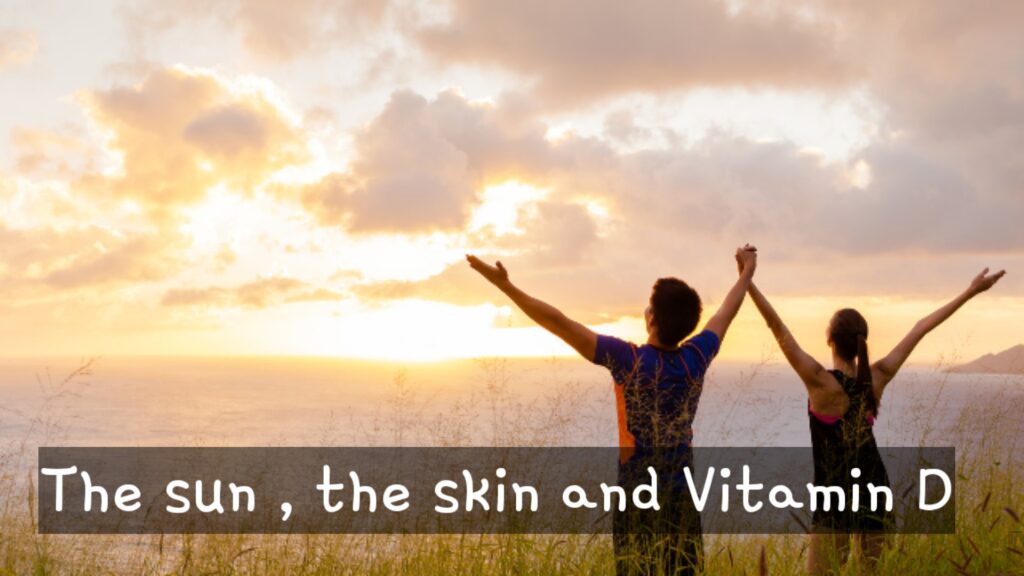
Skin is the major source of vitamin D in our body as our dietary intake is mostly insufficient. When ultraviolet B rays of the sun fall on our skin, 7 dehydro cholesterol present in our skin is converted to pre vitamin D3.

The pre vitamin D3 formed in the skin has to be activated. First step of activation occurs in the liver where pre vitamin D3 is converted to 25(OH)Vit D3. The second and final activation occurs in kidneys where it is converted to 1,25 dihydroxy VitaminD3. This is the metabolically active hormone Vitamin D3.

The inactive form of vitamin D is stored and converted to active form in the immune cells also. Excess Vitamin D is stored in the fat tissue .

Vit D deficiency is linked to increased incidence of common cold and influenza. It is also linked with impaired lung function in asthma and COPD (chronic obstructive pulmonary disease).

Vitamin D and lung health

Our lungs are in continuous contact with the external environment through breathing. It s a very delicately designed organ to facilitate easy gas exchange.

It is constantly exposed to too many micro organisms and toxins. Despite this, the lungs are mostly healthy and inflammation free due to our immune system.

The lungs have their own highly specialised, self-reliant, and localised defence system. Many studies suggest that vitamin D orchestrates the immune system.

Innate immunity

It is the first line, non-specific defence mechanism that comes to play immediately when something suspicious is encountered.

Initially, the air we breath passes through filtering mechanism consisting of hair and mucus.The mucus, not only physically traps the microorganisms, it also produces antimicrobial agents.

The nasal mucus membrane effectively filters particles more than 2 microns in size. Since Covid-19 virus is much smaller, (50 -140 nanometres) it easily enters the lungs.

There are three main players for innate immunity of the lungs.

  • Alveolar epithelium
  • Macrophages
  • Dendritic cells

Alveolar epithelium

These lining cells of the air sacs form a physical barrier. This layer is the immediate target of viruses. These cells are delicate but are the master regulators of immunity.

Maintenance of physical barrier

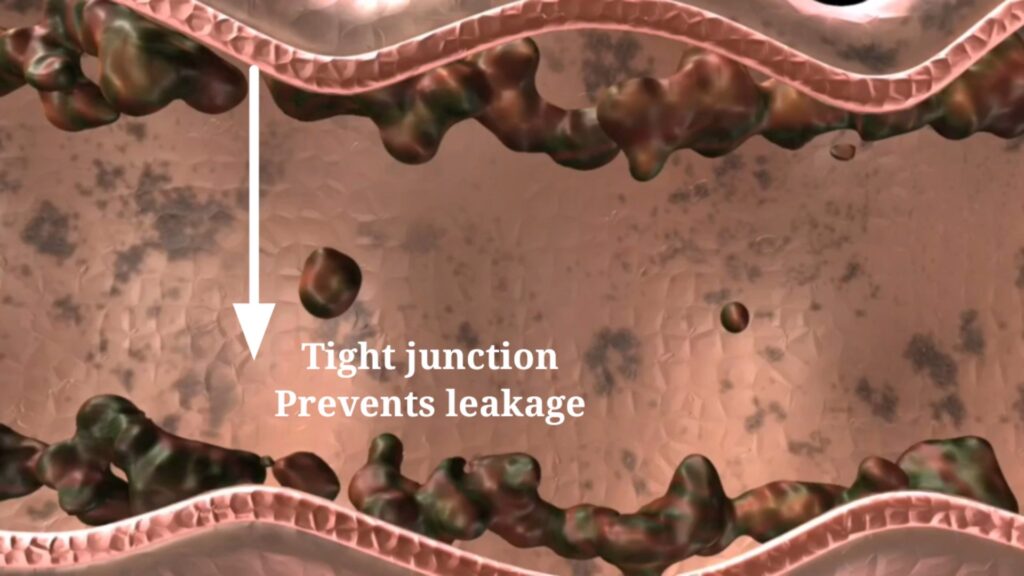
Alveolar cells contain Vitamin D receptor and enzyme which converts inactive vitamin to active form. Vitamin D maintains tight junction between the cells by expressing proteins like occludin, claudin, catenin, etc.

In SARS Covid-19, the alveolar epithelium is disrupted due to excess inflammation leading to influx of protein rich fluid and blood into the air space.

The ground glass opacity in the CT scans of COVID-19 patients is due to fluid collected in the lung alveoli .The fluid collection hinders air exchange resulting in oxygen deprivation. Additionally, this may result in complications such as secondary bacterial infection.
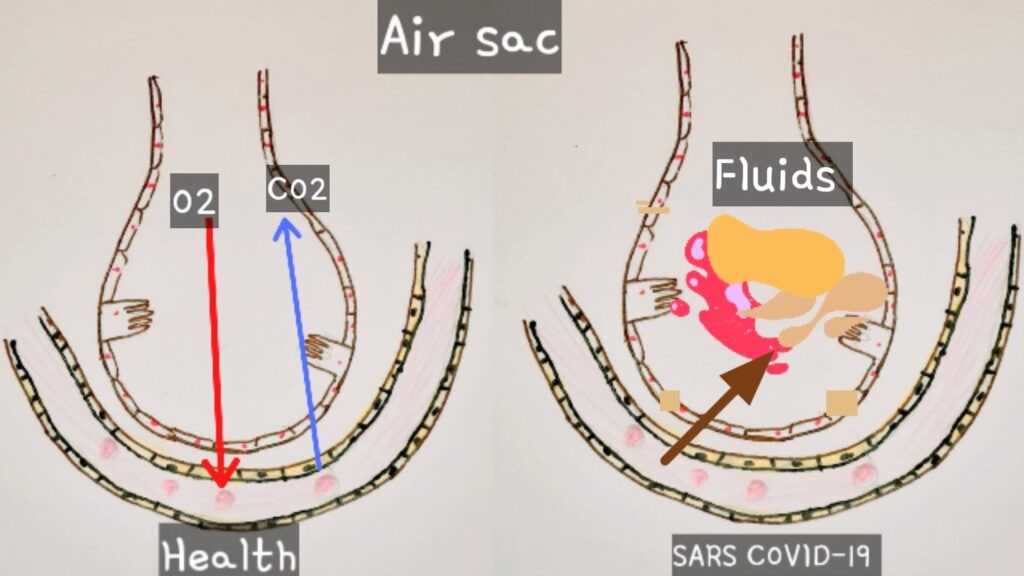
Immediate repair should happen to avoid further damage. This does not happen when the patient is deficient in Vitamin D.

Adequate vitamin D level decreases inflammation and permeability of fluids due to the maintenance of tight Junction.

Vitamin D is also responsible for wound healing and proliferation of alveolar epithelial cells. In a deficiency state, the rate of alveolar cell formation decreases. Instead, fibrous tissue forms between the cells and there is fibrosis of the lungs. When this occurs, patient may experience difficulty in breathing for a long time or even permanently.

Cathelicidin

Cathelicidins are antimicrobial peptides containing 23 to 80 amino acids. They kill the virus by destroying their outer membranes.These protein molecules reduce the viral load. Vitamin D activates the gene that expresses cathelicidin.

When an infection occurs, these molecules kill microbes, modulate the inflammatory response and promote wound healing.

Beta Defensin

Defensins are also antimicrobial peptides expressed by the alveolar cells.They act against bacteria, fungus and virus. Hence, they are called broad-spectrum antimicrobial peptides.They recruit inflammatory cells initially to the site of infection and also have anti inflammatory property to promote healing.

Macrophages

Macrophages are cells that recognize and engulf the virus. They also send signals to the adaptive immune system to control the situation more effectively.
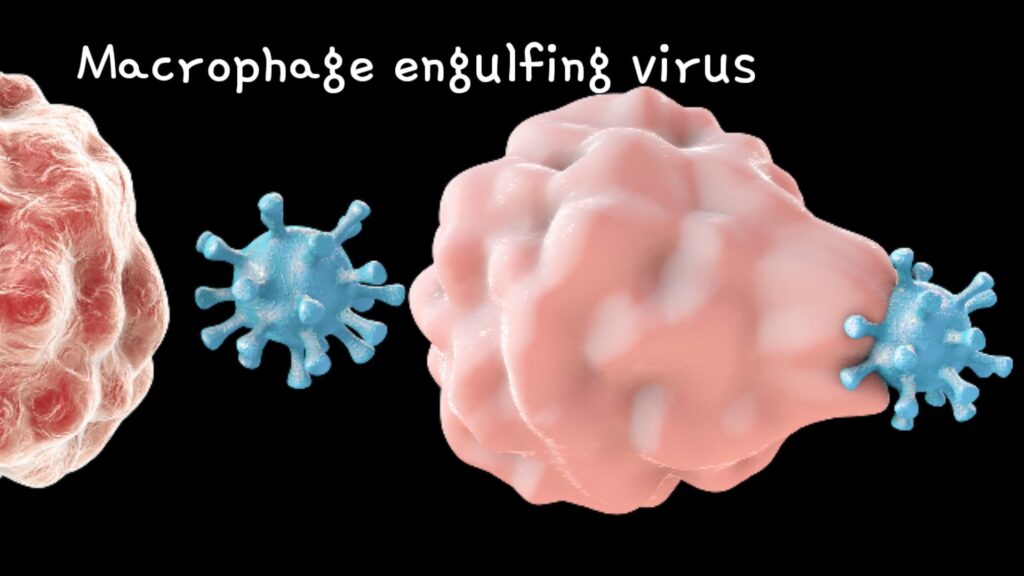
Like the alveolar epithelial cells, lung macrophages also contain inactive form of Vitamin D and the enzyme which activates vitamin D during infection.

Dendritic cells

These cells are intermediary between innate immune system and adaptive immune system. They digest the viral proteins and break them down into to smaller peptide .

Dendritic cells attach these peptides on themselves and carry the information to the adaptive information immune system for processing.

Vitamin D tries to control the infection with the innate immune system. So it downregulates the activities of dendritic cells to control further inflammation.Vitamin D induces IL-10 production and inhibits release of pro-inflammatory cytokines including TNF-α, IFN-γ and IL-1.

But, when the situation gets out of hand and innate immune system is not able to handle any further,the adaptive immune system takes over.

Adaptive immunity

Adaptive immunity, in otherwords called as acquired immunity, is more effective, virus-specific and lasts for a longer time .The main players of adaptive immunity are the lymphocytes – T lymphocytes and B lymphocytes.

There are many subgroups of T lymphocytes like the memory cells, helper cells, natural killer cells and regulatory cells. B lymphocytes produce antibodies against the virus.

Acquired immunity takes some time to establish (6 – 7 days). In the meanwhile, inflammation should not get out of control. Vitamin D is the main player during this time as well.

Vitamin D deficiency does not allow innate immunity to work efficiently. Consequently, when it is time for adaptive immunity to take over, there is an increased viral load. It immediately senses the emergency situation and opens fire!

This results in cytokine storm or severe immune response. This causes more damage to our cells than it does to the virus!

The serious symptoms of SARS COVID-19 is mainly due to hyper reaction of the immune system. Immune cells release chemicals to control the infection. But, too many pro inflammatory cytokines can increase inflammation. This starts destroying the lungs cells leading to acute respiratory distress syndrome.

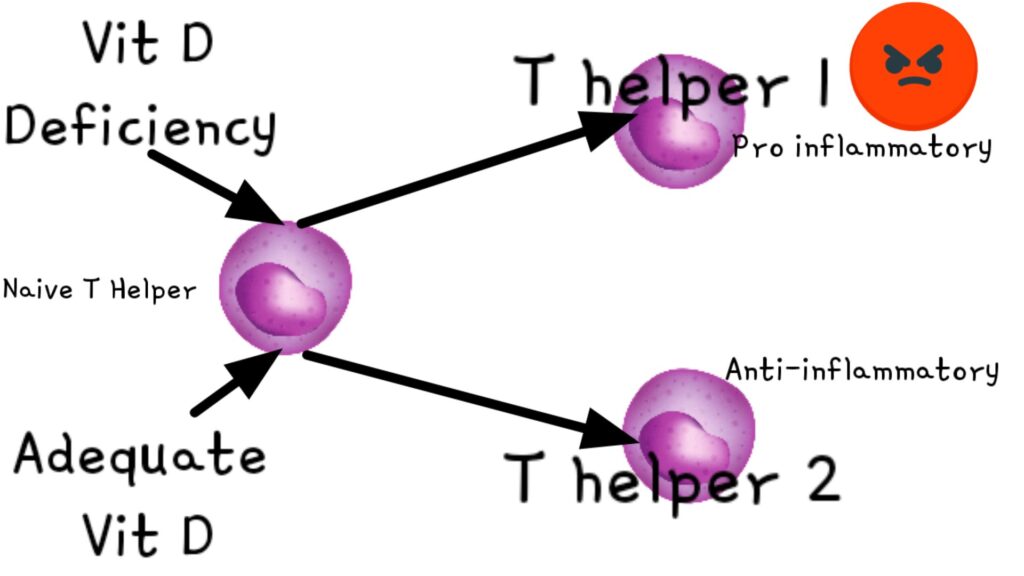
Vitamin D plays a main role in deciding whether the course of disease is going to take proinflammatory or anti inflammatory route.The T helper cells, a subtype of lymphocytes, can either take the form of T helper1( TH1) or T helper 2 (TH2) cells. TH2 cells are anti inflammatory and control the inflammation. And vitamin D mediates this pathway.
Renin angiotensin system RAS

The RAS is an endocrine system which maintains fluid balance and regulates blood pressure. Long term Vitamin D deficiency deregulates RAS.
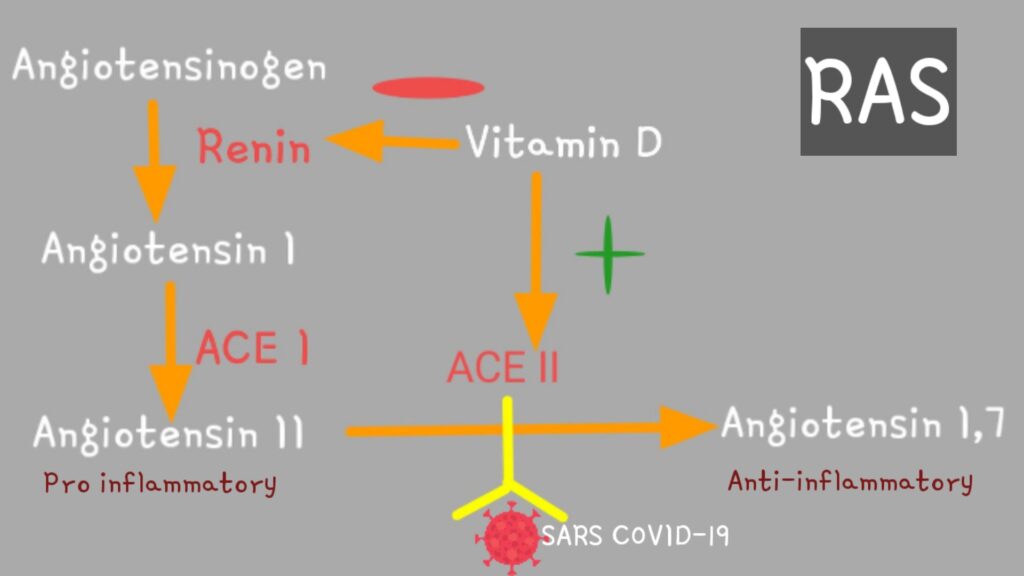
The end product of the system, angiotensin II is a pro-inflammatory molecule which increases blood pressure, oxidative stress, fibrosis and thrombosis.

Vitamin D inhibits renin expression and keeps Angiotensin II expression under control. It also increases ACE II expression which converts pro-inflammatory Angiotensin II to anti-inflammatory angiotensin (1,7).

The spikes on SARS COVID-19 contain proteins.This spike protein binds with ACE2 receptor to gain entry into the lung cells. Once it enters, it starts multiplying exponentially.

Vitamin D deficiency and binding of Covid virus to ACE2 receptors result in over expression and accumulation of angiotensin II. This leads to pulmonary hypertension, extreme inflammation, and oxidative stress resulting in acute lung injury. Additionally, there is multi organ damage wherever ACE 2 receptors are present like liver, intestine, blood vessels and heart.

Takeaway

Whether Vitamin D prevents Covid-19 infection or decreases the mortality in Covid-19 patients is still debatable. But numerous studies have proven the importance of Vitamin D in lung health.

A significant number of randomized controlled trials have proven that vitamin D reduces the severity of covid-19 infection . And many studies have also confirmed the correlation of vitamin D deficiency and increased death rate in COVID 19 patients.

Considering the role vitamin D plays in our immune health, it is definitely worthwhile to increase our vitamin D levels.

References

  • Malaguarnera L. Vitamin D3 as Potential Treatment Adjuncts for COVID-19. Nutrients. 2020 Nov 14;12(11):3512. doi: 10.3390/nu12113512. PMID: 33202670; PMCID: PMC7697253.
  • Hansdottir S, Monick MM. Vitamin D effects on lung immunity and respiratory diseases. Vitam Horm. 2011;86:217-37. doi: 10.1016/B978-0-12-386960-9.00009-5. PMID: 21419273; PMCID: PMC3559187.
  • Bilezikian, J. P., Bikle, D., Hewison, M., Lazaretti-Castro, M., Formenti, A. M., Gupta, A., Madhavan, M. V., Nair, N., Babalyan, V., Hutchings, N., Napoli, N., Accili, D., Binkley, N., Landry, D. W., & Giustina, A. (2020). MECHANISMS IN ENDOCRINOLOGY: Vitamin D and COVID-19, European Journal of Endocrinology183(5), R133-R147. 

Role of Vitamin D in our well being!

Vitamin D is not just about rickets, calcium and bone. It is actually a steroid hormone responsible for our mental and physical well being.

We get Vitamin D from diet and our skin makes it when ultraviolet B rays of the sun falls on our skin. Lets explore its role in our body, deficiency levels and whether or not we require supplements.

Role of Vitamin D in our body

Studies show vitamin D acts by binding to vitamin D receptors present in the nucleus of cells. And Vitamin D receptors are present virtually in all tissues of our body and influences more than 900 genes in our body.

Calcium and bone

Vitamin D3 helps in reabsorption of calcium in the Kidneys and helps in absorption of calcium and phosphate from the intestine.

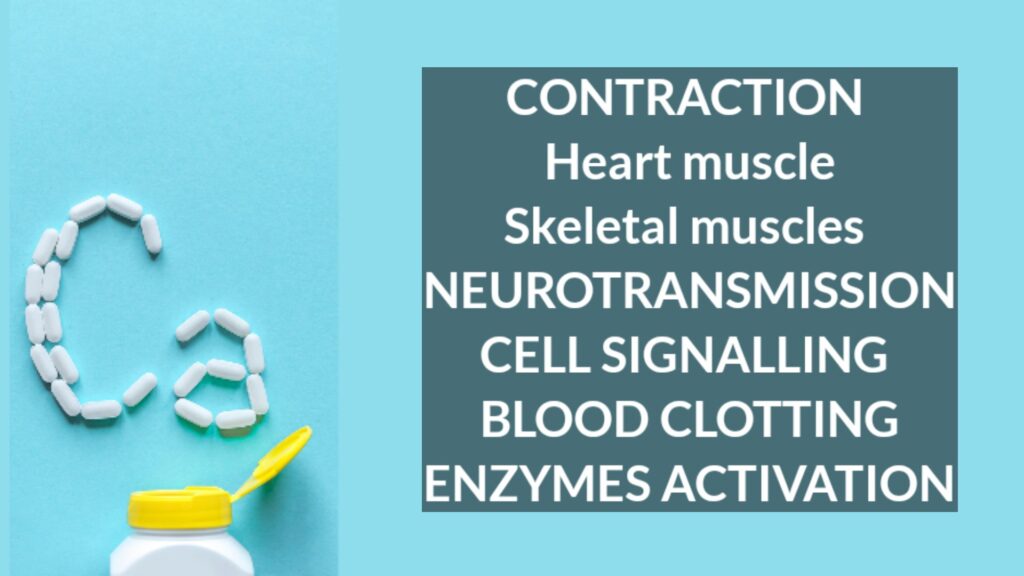
Calcium plays a very significant role in cardiac and skeletal muscle contraction, nerve impulse transmission, blood clotting and acts as a intracellular signalling molecule.

Functions of calcium

In the brain it plays a very significant role by improving memory, metabolism and cell growth. It is critically important for neurotransmitter release and is present in every neuron as an intracellular messenger. So calcium is practically an engine on which the brain runs.

Since calcium is such an important mineral, the body tries to maintain the blood calcium levels at any cost. Bones are storage sites of calcium . Whenever the blood calcium level falls, calcium is released from the bones to stabilize the blood levels.

When our diet consistently lacks Vitamin D or when our body does not produce enough of it, calcium absorption does not occur even if we have adequate calcium in our diet.

Ultimately the body is dependent on the bones for calcium. Long term usage of calcium from the bones results in weak bones. Initially it causes decrease in bone mineral density and then gradually progresses to conditions like rickets (softening of bones in children), osteomalacia and osteoporosis. Weak bones increase the risk of bone pain and fracture .

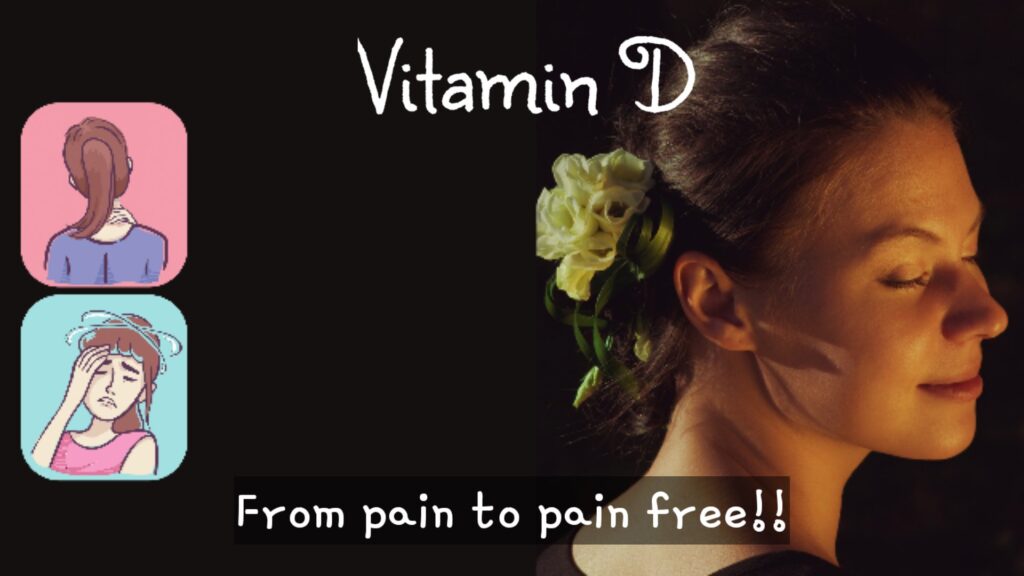
Pain and vitamin D

Vitamin D is not an analgesic. However, low levels of vitamin D is related to chronic pain. Vitamin D decreases pain by its anti-inflammatory property. It reduces the release of inflammatory cytokines and prostaglandinE2 in particular. Prostaglandin E2 is a potential mediator of inflammation and pain. Ginger and turmeric also contain compounds that down regulate prostaglandin E2.

Vit D is now considered as a neuro steroid hormone which regulate brain function and decreases pain perception. In addition, it significantly improves quality of sleep, musculoskeletal performance and has an antidepressant effect.

Lack of sleep and depression are usual coexisting conditions with chronic pain.When these factors improve due to increased vit D levels, pain also decreases substantially.

Cardiovascular system

Vitamin D receptors are present in cardiac cells and in the lining cells of blood vessels. Vitamin D binds to the receptors and triggers genes involved in the regulation of cardiac function. It maintains the structure of the heart intact by controlling cardiac muscle hypertrophy and fibrosis. Not only that, it also regulates blood pressure, prevents atherosclerosis and coronary artery disease.

Vitamin D and immunity

The immune system protects our body from toxins, invading micro organisms etc . At the same time, it takes care not to harm our own cells. When our immunity goes down, infection and many chronic diseases occur. On the other hand,when the immune system goes overboard, auto immune diseases occur. (like multiple sclerosis, rheumatoid arthritis, inflammatory bowel disease and systemic lupus erythematosus ) 

The immune cells (B cells, T cells and antigen presenting cells) synthesize their own active vitamin D metabolite to modulate the innate and adaptive immunity. Deficiency of vit D is related to increased susceptibility to autoimmune disease as well as infection.

Musculoskeletal system

Vitamin D levels affect muscle strength , size and muscle performance.

Deficiency results in degeneration of muscle fibres, enlargement of gaps between muscle fibres and fibrosis (felt like knots) of surrounding tissue. In addition to this , nerve hypersensitivity is also present. All these factors trigger widespread and frequent pain.

This should explain why many develop muscle pain for no apparent reason or with just mild exertion.

Elderly adults suffer from weakening of the faster and stronger proximal muscles due to vitamin D deficiency. These muscles are closer to the body and are involved in movement.

They are the shoulder muscles, upper arm muscles, hip muscles, gluteus muscles and leg muscles above the knee joint. When these muscles are weak, a person has difficulty standing up, climbing stairs, walking and can experience frequent falls.

Older adults (>40 years) are at increased risk of developing sarcopenia (age related loss of muscle mass and strength).Vitamin D deficiency aggravates the condition.

Studies show people suffering from frequent muscular pain, fatigue along with headache have very low levels of Vitamin D.

If you are a person who is suffering from frequent and unexplained muscle pain,

  1. Protein rich nutritious food
  2. Adequate hydration
  3. Muscle strengthening exercises to regain the lost strength
  4. Optimal levels of vitamin D

are the four factors which can help you overcome it.

Vitamin D and the brain

Early brain development

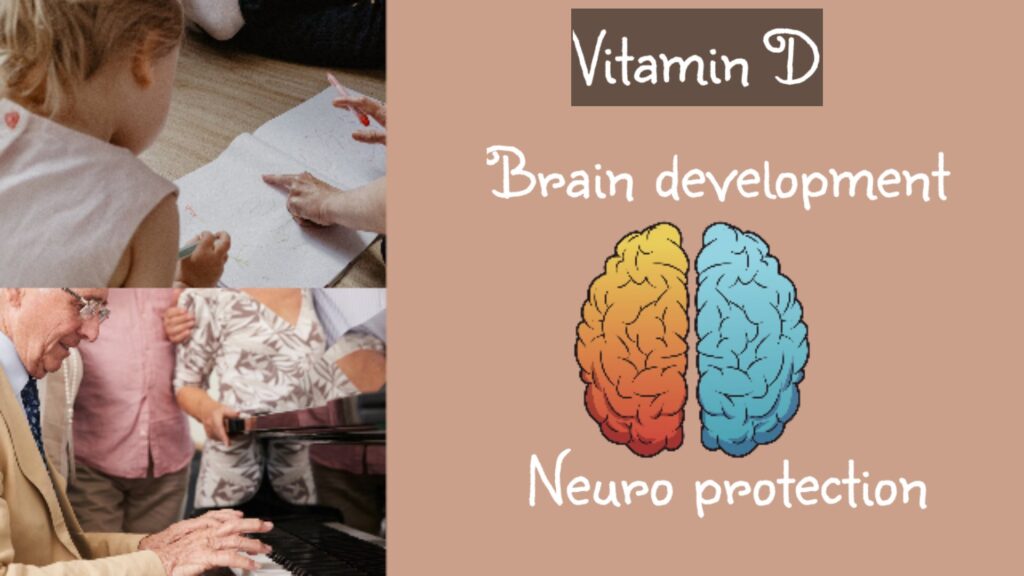
Vitamin D plays a role in early brain development. Pregnant mother`s vitamin D level is very crucial for the baby’s brain development. It enhances learning, memory and emotional development. Deficiency of vitamin D may lead to development of Autism and schizophrenia later in life.

Not only that, deficiency of vitamin D increases the risk of preeclampsia in pregnant mothers (pre-eclampsia is a high-risk condition for both mother and foetus)

Protection of adult brain

In the brain it acts as an anti inflammatory, antioxidant and as a neurosteroid that modulates the activity of neurons. Vitamin D influences the levels of crucial neurotransmitters like dopamine, serotonin and nor adrenaline. In addition to this, it plays a role in preventing memory loss, depression, Alzheimer’s and Parkinson’s disease.

Respiratory system

Most respiratory infections like common cold, influenza and tuberculosis commonly affect children, the elderly and people with low immunity. Vitamin D has immunity enhancing and antimicrobial properties. It reduces the risk of infection by increasing the production of antimicrobial peptides like cathelcidin and defensins.

Vitamin D and COVID 19

Many respiratory infections like COVID19 cause acute lung injury leading to severe acute respiratory distress syndrome (SARS) .

Many recent studies have shown Vitamin D deficiency leads to uncontrolled inflammation resulting in lung cell damage,, prolonged illness and even death.

Vitamin D decreases pro inflammatory cytokines and prevents cytokine storm. This contains damage to the lung cells and helps in quick recovery.

It also increases the natural cellular immunity and protects the natural barrier formed by the lining cells of the lungs. This prevents the entry of viruses into the lung cells in the first place.

Vitamin D’s role in musculoskeletal health also helps during lung infection .The health of primary and accessory muscles of respiration play a role in easing the breathing process.

Read this link to know more in detail. about the link between vitamin D deficiency, lung health and COVID 19.

Diabetes

Vitamin D decreases the risk of developing both Type 1 and type 2 diabetes. It improves beta cell function (cells of pancreas which secrete insulin), decreases insulin resistance and controls systemic inflammation.

Dental health

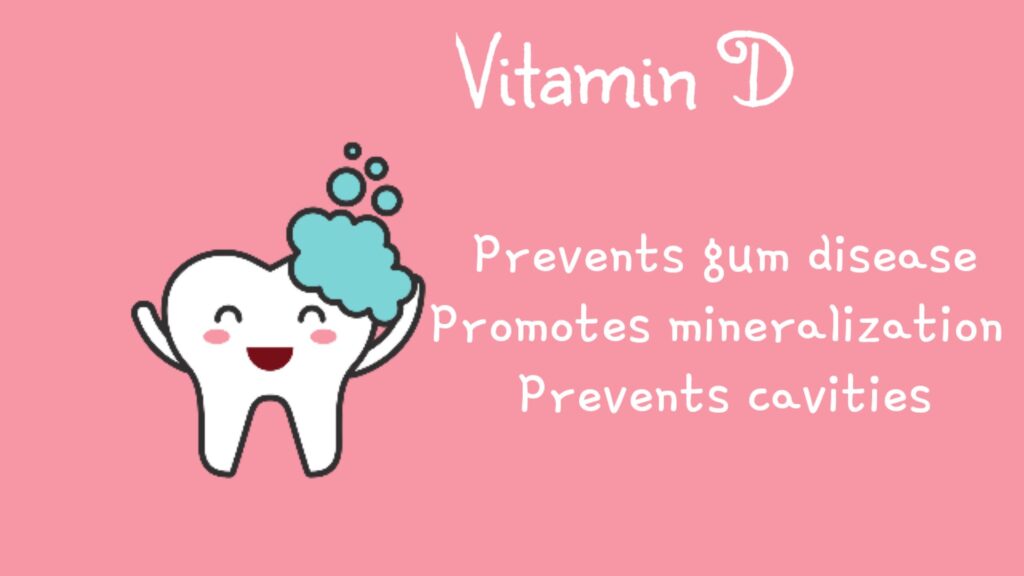
Vitamin D level is crucial for mineralization of teeth. Milk teeth mineralization happens before birth, in the uterus and mineralization of permanent teeth occurs during early and late childhood.

Vitamin D deficiency during pregnancy and childhood can cause hypomineralization of teeth due to defective calcium homeostasis.

Periodontitis is the inflammation and subsequent destruction of the supporting structures of teeth namely, the gums, periodontal ligament (that connects bone and the tooth) and the surrounding bone. This can lead to loosening and ultimately loss of teeth.

Sufficient vitamin D levels decrease inflammation and counter the bacteria that cause periodontitis.

Studies have correlated high occurrence of cavities in both adults and children with severe vitamin D deficiency .

Adequate levels of vitamin D is associated with healthy teeth and supporting structures. This may be due to vitamin D mediated immune regulation and increased secretion of antimicrobial peptides in the saliva .

skin health

Vitamin D also protects the skin and prevents hair loss. It plays a role in skin cell differentiation and proliferation, increases the immune response of the skin . It protects against bacteria, helps in reducing inflammation and prevents photo damage.

Cancer prevention

Vitamin D plays a role in preventing lung, prostrate, breast , pancreas and colon cancer.

  • Inhibits carcinogenesis in the first place
  • Slows progression of cancer
  • Reduces its invasive potential
  • Promotes cell differentiation (poorly differentiated cancer cells have poor prognosis)
  • Inhibits proliferation of cancer cells
  • Promotes apoptosis (death of abnormal cells)
  • Prevents angiogenesis (formation of new blood vessels around the tumor to supply nutrition to the cancer cells)

Recommended vitamin D daily dosage

0-12 months10 mcg400 IU
1 – 70 years15 mcg600 IU
>70 years20 mcg800
1 mcg = 40 IU

Blood levels

Severe deficiency <10 ng/mL
Mild to moderate deficiency 10- 24 ng/mL
Optimal25 – 80 ng/mL
Toxicity> 80 ng/
1ng/mL = 2.5 nmol/L

Read this to know in detail about the dietary sources and role of sunlight for getting adequate Vitamin D.

Supplements

Who should take supplements?

  • People who are unable to go out in the sun due to old age or physical inability.
  • Those with liver disorders and chronic kidney diseases.
  • People suffering from gastrointestinal disturbances like malabsorption syndrome, irritable bowel syndrome and inflammatory bowel disorders.
  • Those who cannot get sun exposure at the right time due to their occupation.
  • People living in countries above and below 33 degree latitude during winter.
  • Ethnic origin people living in temperate zone countries
  • Individuals diagnosed with severe deficiency.
  • Obese individuals may require relatively higher doses .

Which is good? Large doses or smaller regular doses?

Studies suggest short term bolus (50000, 100000 IU) doses improve calcium deposits in bone. Bolus doses are given to optimize the levels in severely deficient cases. Thereafter, longterm everyday dosage (not more than 4000 IU) is more beneficial for improving immunity, regulating mood, preventing cancer and stabilizing musculoskeletal health.

More than 4000 IU per day may lead to toxicity although, it is rare. Acute toxicity symptoms are hypercalcemia, muscle weakness, headaches, bone pain, nausea, vomiting, irritability, anorexia.

Chronic toxicity symptoms also include the above symptoms and constipation, kidney stones, hypertension, kidney failure, abdominal cramps, and cardiac arrhythmias.

Supplements vs skin synthesis

Only 60% of vitamin D ingested orally binds to the vitamin D binding protein. On the other hand, 100% of vitamin D produced in the skin binds to the vitamin D binding protein and hence the bioavailability is much more.

Take home

With all the above mentioned benefits, there is no reason why we should remain deficient in Vitamin D. Sun is free and supplements are inexpensive.

Human life follows the circadian rhythm and exposure to sunlight is a natural phenomenon. Sun is not a demon and we are not nocturnal after all!

Getting vitamin D from sun is more special with added benefits. Let’s go out and make our share of Vitamin D everyday from the sun with sensible exposure.

References

  1. Wintermeyer E, Ihle C, Ehnert S, et al. Crucial Role of Vitamin D in the Musculoskeletal System. Nutrients. 2016;8(6):319.
  2. Shipton EA, Shipton EE. Vitamin D and Pain: Vitamin D and Its Role in the Aetiology and Maintenance of Chronic Pain States and Associated Comorbidities. Pain Research and Treatment 2015;2015.
  3. Kennel KA, Drake MT, Hurley DL. Vitamin D deficiency in adults: when to test and how to treat. Mayo Clin Proc. 2010;85(8):752-758.

Turmeric : The Golden spice for radiating health!

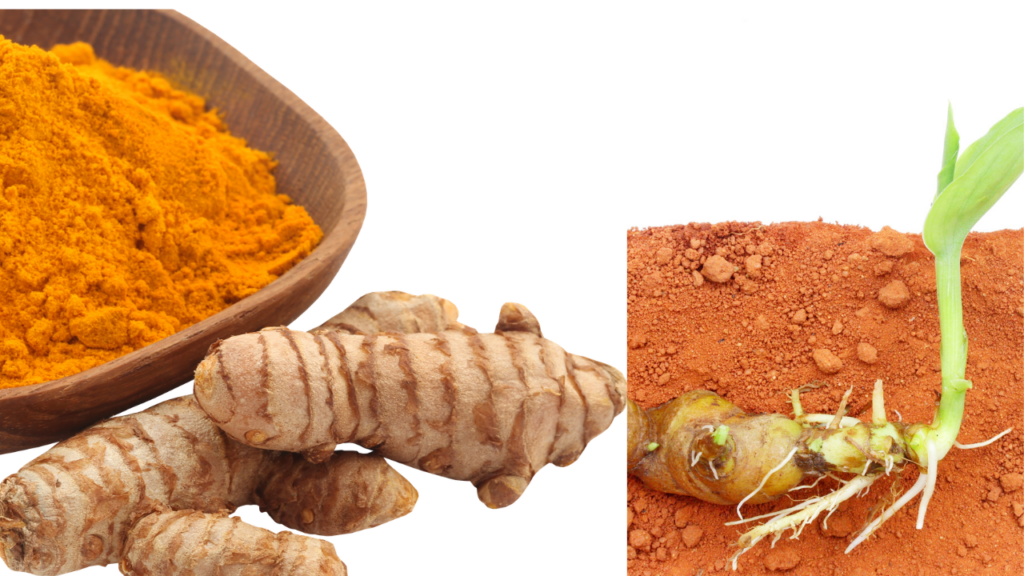
Turmeric powder and plant

According to Marco Polo (1280 AD) , turmeric has all the properties of true saffron. Lets explore its evidence based real worth !

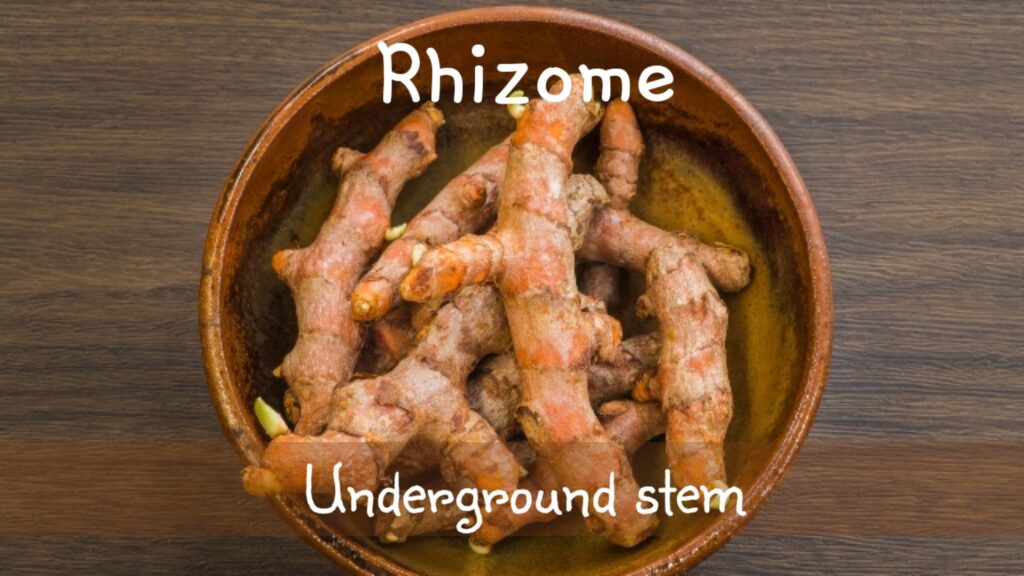
Turmeric is the spice obtained from the plant Curcuma longa belonging to zingiberaceae family. The part of the plant used is the rhizome which is an underground stem just like ginger.

Turmeric

It is native to India and has a very long history of medical and culinary usage dating back to 1500 – 2000 BC. It is commonly used in Ayurveda, Sidha, Unani and Chinese medicine. India is the largest producer and exporter of turmeric in the world.

Turmeric in ayurveda

Turmeric tastes bitter and pungent, dry and light, hot in potency. It can balance all the three doshas (vata, pitta, kapha) due to these properties.

This yellow spice detoxifies, enhances complexion, heals wounds, kills micro organisms and worms. It cures respiratory and urinary tract infection and is most useful for treating diabetes.

In religious traditions

In India, turmeric is revered as a holy spice. It always plays a role in religious rituals. It is one of the two ingredients ( the other one being lime) used in making Kumkum, the vermilion colour powder.

In south Indian villages, just like holi celebrated in North India, there is a custom of playing in turmeric water. During the annual temple festival, people celebrate by pouring turmeric water on each other.

These festivals usually fall during late spring or early summer when there is an increased incidence of contagious diseases like chicken pox.In addition to the fun part, this celebration serves to prevent spread of infections.

What does turmeric contain?

The yellow colour of turmeric is due to a group of pigments called curcuminoids. The main pigment is curcumin and most health benefits are due to this pigment.

Many other phytochemicals like alkaloids, flavonoids, tannins, saponins are also present which are responsible for the anti-inflammatory and antioxidant properties of turmeric.

Pigments
Essential oils
CurcuminCurcumol
DemethoxycurcuminEugenol
Bisdemothoxy curcuminZingeberene
CyclocurcuminTurmerene
Tetrahydrocurcumin etcCurcumenol etc
Pigments and essential oils of turmeric

Culinary uses

It is a food colorant and a component of curry powder, gravies, sauces, pickles and soups. It is a quintessential component in Indian curries and a food colorant.

Curcumin bioavailabilty

According to studies, curcumin is not soluble in water and requires fat for absorbtion. In a study, 20mg of piperine (a compound present in black pepper) given with 2000mg of curcumin, increased the bioavailability of curcumin by 2000%.

In India, turmeric is used as a whole spice . Since turmeric itself has many essential oils and is seasoned with cooking oil , there is no problem of fat solubility and bioavailability. Also, in many dishes like rasam and curries, pepper is added too!

Acute vs chronic inflammation

Whenever there is an abnoxious stimulus like a toxin, trauma, or microbial infection, acute inflammation occurs in our body. It is a protective and healing physiological response.

Cells and molecules rush to the site of damage/infection and recruit other cells for help to eliminate the offending stimulus.

These events give rise to the classic signs of inflammation like pain, swelling, redness and heat.

Inflammation is derived from the Latin word “to set on fire“.When the primary event or purpose is solved the fire has to be put off.

If the inflammation persists longer than required it is called chronic inflammation which is like firewood lit up for a purpose in winter still burning in summer!

Whenever there is persistent inflammation, there is always an ongoing fight between pro inflammatory and  anti inflammatory mechanism in our body.

Due to this, the body is constantly in war. This triggers many chronic diseases  like diabetes, atherosclerosis, cancer, irritable bowel syndrome, rheumatoid arthritis, asthma, and Alzheimer’s disease.

Inflammation and turmeric

According to studies, curcumin, the most bioactive compound present in turmeric is a potent anti-inflammatory agent. It prevents inflammation by inhibiting NF-kB, TNF-alpha, prostaglandin E2 etc and by activating compounds that switch off inflammation.

Cyclo oxygenase pathway

Curcumin inhibits the cyclooxygenase 2 pathway and reduces the synthesis of prostaglandin E2, a potential mediator of pain and inflammation. Ginger and vitamin D also decreases inflammation and pain through the same mechanism.

The Pharmaceutical anti inflammatory painkillers (NSAIDs – non steroidal anti inflammatory drugs) also do the same job. This also inadvertently inhibits cyclooxygenase 1 pathway which leads to loss of stomach lining resulting in ulcer formation.

NF-kB ( Nuclear factor kappa B)

This proinflammatory molecule secreted by B lymphocytes, when activated, stimulates other white blood cells and produces free radicals .These free radicals, at first attack and destroy infectious and toxic agents.

Free radicals are highly reactive molecules which are always on the lookout for stable cellular molecules to react with. If the inflammation persists, they start destroying the tissues nearby. Due to this, proteolytic enzymes, inflammatory mediators. and more free radicals are released.

If inflammation persists for a longer period, the above products,

  • Damage the DNA and RNA of our cells
  • Suppress tumor suppressor genes
  • Activate oncogenes
  • Inhibit antioxidant enzymes and DNA repair genes
  • Inhibit cellular apoptosis. (Apoptosis is a protective mechanism by which abnormal cells are destroyed in our body.)

This is how chronic inflammation leads to many chronic diseases including cancer. NF-kB is the most important inflammatory pathway which leads to cancer and curcumin effectively inhibits its activation.

Obesity and turmeric

Obesity is now a global health issue due to its direct link with many chronic diseases. A health pill which can prevent obesity, aid in weight loss, reduce the associated health risks is the need of the hour .Turmeric fits into this description quite well.

Lipid lowering property

Many studies have proven that curcumin present in turmeric lowers triglycerides, free fatty acids and low density lipoprotein(LDL), and total cholesterol levels in the blood.It reduces fatty acid production in the liver and increases HDL cholesterol.

Weight loss

Many animal studies have concluded that curcumin consumption results in weight loss and increased lean tissue. This might be due to the inhibition of adipogenesis(formation of fat cells from stem cells). It also increases the basal metabolic rate resulting in increased energy expenditure leading to weight loss.

Role of adipose tissue

Excess calories are stored as fat in the cells called adipocytes. These fat-laden adipocytes along with many other immune cell-like macrophages and lymphocytes from adipose tissue

Adipose tissue is stored under the skin as subcutaneous fat and around the vital organs in the abdomen as visceral fat. This tissue is not just an inactive sleepy tissue where extra energy is stored. But rather, a metabolically active secretary organ.

Adipose tissue secrete many proinflammatory compounds like hormone leptin and cytokines that increase insulin resistance. Curcumin decreases these inflammatory mediators released from fat tissue.

Turmeric and diabetes

Curcumin reverses insulin resistance and increases glucose uptake by the cells thereby reducing blood sugar levels. Insulin is secreted by beta cells of the pancreas. Curcumin protects beta cells from oxidative damage due to its antioxidant property.

Turmeric and brain health

Studies have found that curcumin is able to cross the blood brain barrier and also penetrate the cell membrane of neurons easily.

Depression

Chronic stress results in hyperactivity of hypothalamus pituitary axis (HPA) and increased secretion of stress hormone cortisol.

When a person is clinically depressed,

there is increased

And decreased levels of

  • Neurotransmitters (serotonin and dopamine)
  • Neurotrophic factors ( responsible for neuroprotection,neuro regeneration and neuroplasticity)

Most modern antidepressants aim at maintaining adequate levels of neurotransmitters by inhibiting their break down. According to many studies done in animal models and in humans, curcumin acts multimodally to control depression. It has anti inflammatory and antioxidant effect. In addition to this, it increases the neurotrophin and neurotransmitter levels.

Alzheimer’s disease

Alzheimer’s disease is characterized by deposit of an abnormal protein called amyloid Beta peptide in the brain. In addition to this, neurofibrillary tangles are formed leading to loss of neuronal function and ultimately progressive memory loss. In many clinical studies curcumin has shown to prevent the formation of amyloid Beta peptide. Additionally, it also degrades the already formed abnormal protein in the neurons.

Other brain conditions

Curcumin plays a role in preventing age-related cognitive decline and memory impairment by virtue of its antioxidant and anti-inflammatory property.

Turmeric and skin health

Skin diseases

Curcumin is highly effective against many skin diseases like psoriasis , eczema and atopic dermatitis. It has good bioactivity when applied topically.

Wound healing

It accelerates wound healing by increasing the levels of hydroxyproline (a component of collagen protein, helps in stabilizing collagen matrix) in the skin and by increasing collagen synthesis.

In India, mixture of coconut oil and turmeric is commonly used to treat superficial wounds . Research has confirmed lauric acid as a good carrier of curcumin . Coconut oil contains about 42% lauric acid, a medium chain fatty acid.And this combination is highly effective for treating acne and fungal infection of the skin.

Skin aging

Anti-inflammatory and antioxidant property of curcumin prevents photo ageing of the skin which occurs due to excessive to sun exposure. Curcumin also improves moisture content of skin and hence acts as an effective moisturizing agent. Since it increases collagen synthesis, it positively affects the tone and appearance of facial skin.

Acne

Propionibacterium acnes is the bacteria which is commonly attributed for causing acne . Antibiotics like erythromycin and clindamycin are commonly prescribed for treating acne. Long term use of these antibiotics can cause resistance and lead to changes in the skin microbiota.Disrupting the microbiome of the skin can result in more opportunistic skin infection. Curcumin has antibacterial activity against both sensitive and resistant Propionibacterium acnes.

Cancer prevention

Curcumin can prevent cancer at much lower doses when compared to conventional drugs. This is because curcumin acts through many cellular pathways unlike the drugs. Its chemopreventive property is due to its anti inflammatory, antioxidant and immunomodulatory function.

H Pylori infection

Helicobacter pylori is a bacteria which infects the stomach and causes peptic ulcer. It is classified as a class I carcinogen. If the infection is not eradicated, the ulcer can potentially transform to gastric cancer.

Clinical studies have shown turmeric has the potential to eradicate H pylori bacteria and effectively prevent carcinogenic transformation of the ulcers.

Liver health

Turmeric has hypolipidemic effect and prevents non alcoholic fatty liver disease.

Protects the liver from the lethal effects of heavy metals by up regulating detoxifying enzymes and antioxidant enzymes.

It also protects the liver from hepatocellular carcinoma (primary liver cancer) due to its antioxidant and anti-inflammatory properties.

Protects the liver from hepatitis B and hepatitis C infection due to its antiviral activity. Curcumin inhibits replication of these virus in the liver. Viral replication is a major risk factor for developing cirrhosis and cancer of the liver.

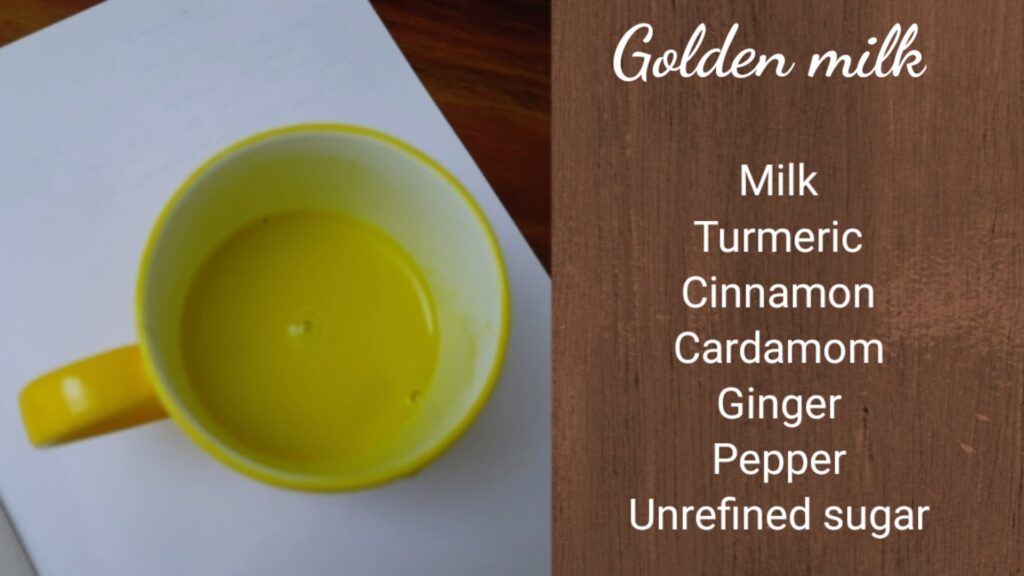
Golden milk

Here is a recipe for including turmeric in your diet!

Ingredients

  • Milk 1 cup
  • Turmeric 2 pinches
  • Ginger(grated) 1 teaspoon
  • Cardamom 1
  • Cinnamon 1/8 of an inch
  • Pepper A pinch
  • Unrefined sugar / jaggery/ palm sugar

Method

Boil the milk for 5 minutes with all the spices. And finally add required sugar . Since curcumin and the essential oils in turmeric are fat soluble, it is prudent to use full fat milk. This increases the bioavailability.

In the beginning, it is highly likely that many would find the flavour of turmeric a bit overwhelming. A good idea is to start with one pinch of turmeric till you get used to the flavour.

Caution

Too much of any spice can irritate the stomach. Moreover, spices are meant to be taken in small quantities. One must always remember, even nectar can become a poison if eaten indiscriminately.

Takeaway

Along with modification in lifestyle and choice of food, including turmeric in our daily diet can work wonders.We have to make use of this natural , low cost, safe, highly effective and widely available spice for preventing diseases and healing our system.


References
  1. Roy S, Bagchi D, Raychaudhuri SP, editors. Chronic Inflammation : Molecular Pathophysiology, Nutritional and Therapeutic Interventions. Baton Rouge: Taylor & Francis Group; 2012.
  2. Farooqui T, Farooqui AA, editors. Curcumin for Neurological and Psychiatric Disorders : Neurochemical and Pharmacological Properties. San Diego: Elsevier Science & Technology; 2019.
  3. Watson RR, Preedy VR, editors. Bioactive Food As Dietary Interventions for Liver and Gastrointestinal Disease : Bioactive Foods in Chronic Disease States. San Diego: Elsevier Science & Technology; 2012.
  4. Hiraku Y, Kawanishi S, Ohshima H, editors. Cancer and Inflammation Mechanisms : Chemical, Biological, and Clinical Aspects. Somerset: John Wiley & Sons, Incorporated; 2014.
  5. Vollono L, Falconi M, Gaziano R, Iacovelli F, Dika E, Terracciano C, Bianchi L, Campione E. Potential of Curcumin in Skin Disorders. Nutrients. 2019 Sep 10;11(9):2169. doi: 10.3390/nu11092169. PMID: 31509968; PMCID: PMC6770633.
  6. Lini Alappat, Atif B Awad, Curcumin and obesity: evidence and mechanisms, Nutrition Reviews, Volume 68, Issue 12, 1 December 2010, Pages 729–738, https://doi.org/10.1111/j.1753-4887.2010.00341.
Home » Page 2

Ginger : The great ancient and modern medicine

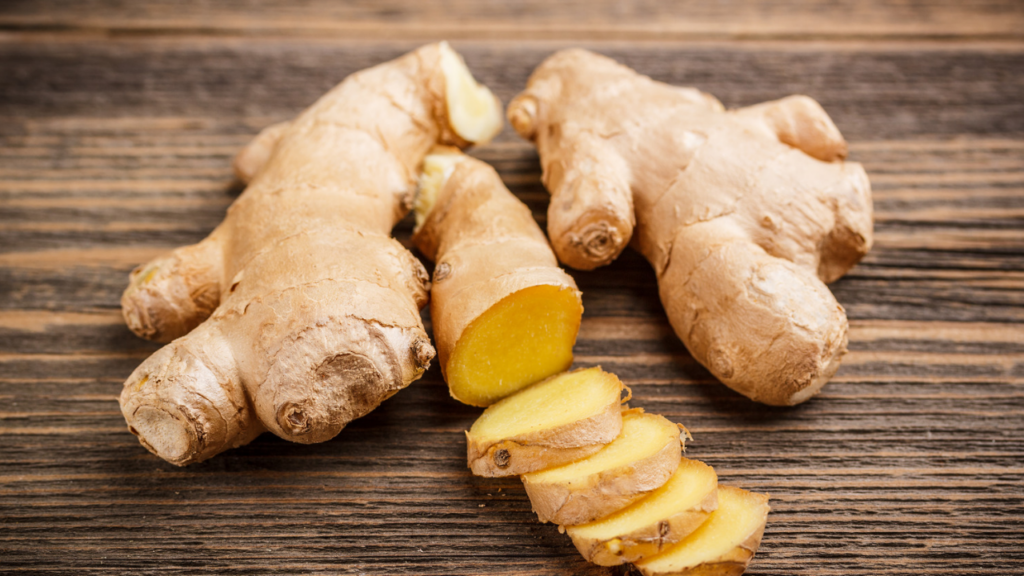
ginger

Ginger has a very long history of usage in many traditional medicines like Ayurveda , Chinese and Unani. Lets see what modern science has documented.

Ginger

Native to India , now cultivated throughout the world. The part of the plant used is the rhizome , the underground stem which grows horizontally. It is a perennial which is easy to cultivate .

Botanical name Zingiber officinale
TamilInji, இஞ்சி
Malayalam Inchi
TeluguAllam
Kannadasunthi
HindiAdrak
SanskritSrngaveram
Korean생강

Ayurvedic perspective of Ginger

According to Ayurveda, Ginger is considered as “MAHA OUSHADI” which means Great Medicine. It primarily acts on the digestive system as an appetizer, carminative (which expels gas) and a digestive.It is used to treat nausea , vomiting, pain , fever , cough and respiratory illness.

It is one of the three ingredients in TRIKATU , the famous ayurvedic medicine containing ginger,black pepper and long pepper. Trikatu is used to enhance digestion and to control phlegm.

Most diseases occur due to poor digestive system

AYURVEDA

Ginger in Chinese medicine

Use of ginger has been documented as early as 4th century BC . Its used for treating stomachache, headache, nausea, toothache, rheumatic pain and respiratory illness.It is also used as cardiotonic and anti convulsant.

What does Ginger contain?

Volatile oilsNon volatile oils
Aroma and tastePungency – hot sensation
Sesquiterpene Gingerols
ZingibereneShogaols
CurcumeneParadols
Farnesene Zingerone etc
. Essential oils in ginger

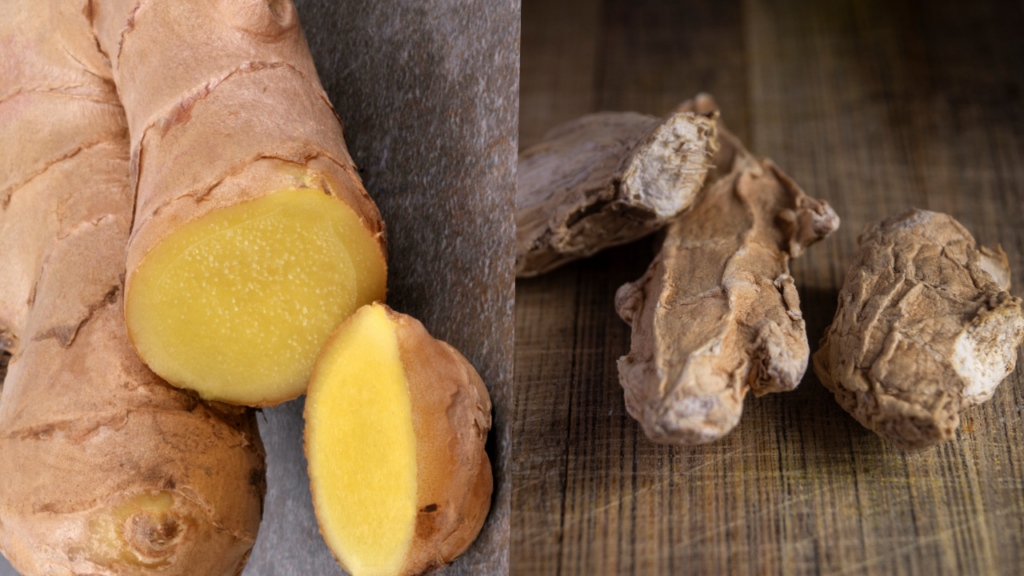
Fresh vs Dried Ginger

Fresh ginger contains both volatile and non volatile essential oils and hence has a balanced aroma , taste and pungency. Whereas, dried ginger is more pungent and sharp .This is because many volatile essential oils are lost during drying process.

Fresh ginger. Dried ginger

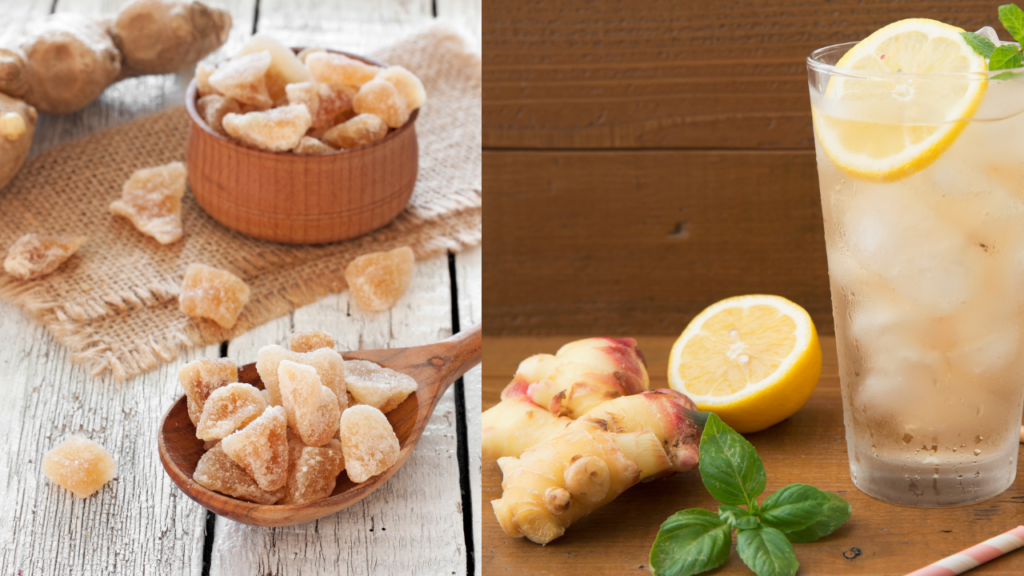
How to include ginger in our diet?

  • Condiment in cooking
  • candy
  • tea
  • ale
Ginger candy. Ginger ale

What does Ginger do to our body?

The volatile essential oils have anti bacterial and anti fungal activity .They also have bronchodilator effect and help in easing airway during respiratory illness.

In addition to this, they have pain relieving, anti inflammatory and anti oedema properties.They help in controlling chemotherapy , pregnancy and travel induced nausea and vomiting.

The pungent essential oils evoke a warm sensation when consumed. These oils are called trigeminal compounds because they stimulate the trigeminal , glossopharyngeal and vagus nerves.

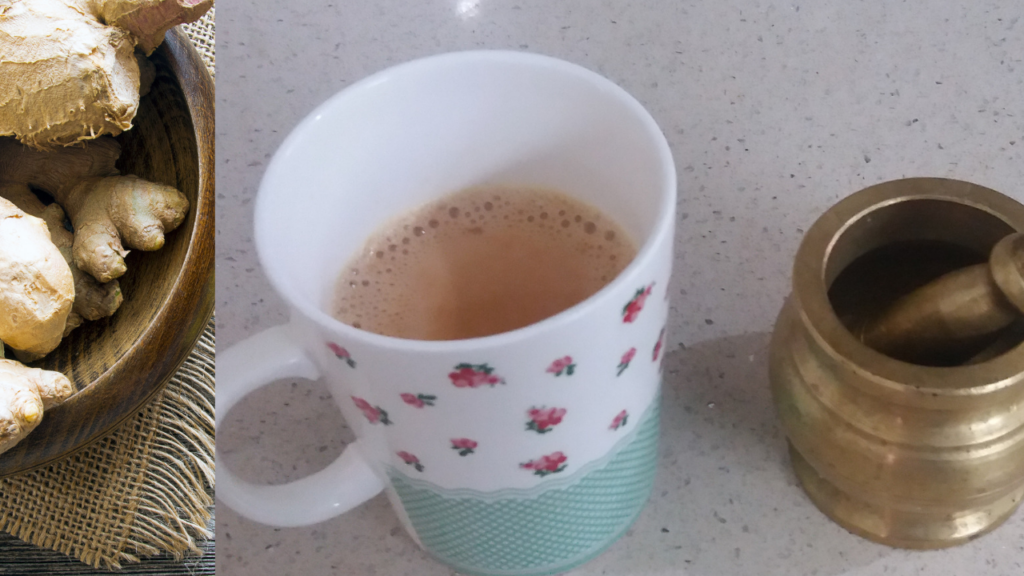
The nerves carry these hot sensations to the brain . And invoke feelings of pleasure, relaxation, warmth and comfort. This is how you become a Ginger chai addict!!

Ginger chai

CAUTION

Any spice or condiment which stimulates or enhances digestion can irritate the gastrointestinal tract when used excessively.

Also , to avoid irritating the gastrointestinal tract, it should not be combined with spices having similar properties. Avoid eating in empty stomach. Combining with less irritating herbs and condiments like coriander also helps.

Science backed ginger benefits

Type 2 Diabetes mellitus

Type 2 Diabetes mellitus is the most common lifestyle disease associated with increased blood sugar level , blood cholesterol and insulin resistance . It is a metabolic disesse commonly occurring in obese individuals . It is a condition in which there is generalized inflammation and increased risk of developing cardiovascular and renal diseases. Many studies with ginger supplements (1000 milligram to 3 grams per day ) for 8 to 12 weeks showed a decrease in blood glucose levels, Hba1c level, blood cholesterol and inflammatory markers.

Arthritis

It is a debilitating inflammatory disease which can affect a single joint or multiple joints in our body. Arthritis leads to a compromised life due to pain, stiffness and swelling of the joints. It many cases it is progressive and results in immobility.

Inflammation is the hallmark of this disease. Both osteoarthritis (old age and obesity) and rheumatoid arthritis (autoimmune disease) require anti-inflammatory, analgesic medication for controlling pain and swelling for a prolonged period. The commonly prescribed anti-inflammatory medications, if taken for a long time can lead to gastrointestinal side effects such as ulcer, bleeding and can damage liver and the kidneys .

Ginger being a potent anti-inflammatory can control inflammation. It inhibits cyclo oxygenase 2 pathway and reduces the formation of prostaglandin E2, a potential mediator of pain and inflammation.

In a 2012 study , a 4 week supplementation with ginger reduced symptoms related to osteoarthritis and the patients did not develop any adverse effects like gastro esophageal reflex ,ulcer or abdominal discomfort.

Dysmenorrhea

Dysmenorrhea is pain in the lower back and lower abdomen during menstruation. When the pain is acute it can also lead to nausea , vomiting and diarrhoea . This can occur few days before menstruation or during menstruation. Since this occurs every month, it can compromise the productivity of women experiencing it. Studies suggest inflammatory mediators released from the shedding endometrial cells cause uterine contraction and pain.

Generally, mefenamic acid is prescribed as an over the counter medication for dysmenorrhea. Many studies have concluded that taking ginger (500mg – 1500 mg) a few days prior to menstruation and during menstruation effectively controlled pain , cramping and associated nausea and vomiting.

Traditionally low physical activity is advised during menstruation . Along with this, placing hot water bag wrapped in a towel where pain is felt and ginger may effectively control the symptoms of dysmenorrhea.

Respiratory illness

Both acute and chronic respiratory illness are characterized by inflammation of airways in the lungs . This leads to improper oxygen exchange and fluid buildup in lungs. Low levels of oxygen can lead to lower functioning of master organs like liver, kidney, brain and heart resulting in chronic fatigue.

In chronic lung diseases, the natural choice is using corticosteroids to reduce the inflammation . Long-term steroid therapy causes many side effects like lowering of immunity and developing resistance.

Studies show ginger supplementation reduced inflammatory cytokines and improved blood oxygen levels. It also improved quality of life due to reduced cough and ease in breathing . Lp

Neuroprotection

In a study done in rats, combining the essential oils of both ginger and turmeric offered neuroprotection. Interestingly both ginger and turmeric belong to the same family. Ginger and turmeric increase the levels of anti-inflammatory neurotransmitter acetylcholine in the brain thereby preventing the degeneration of brain cells.

Cancer

Many factors like unhealthy diet , lack of exercise, genetic tendency contribute to the occurrence of cancer. Studies suggest cancer can also occur due to chronic inflammation . Inflammation in our body is a normal and protective response to any toxic stimuli. But when the response is present for a long time without any stimuli, it creates havoc in our body . Ginger is a natural dietary supplement that decreases inflammation in the gut and reduces the subsequent risk of developing cancer.

Vomitting

Continuos vomitting during pregnancy can lead to severe nutritional deficiency. Many will be in a dilemma whether or not to take medication to prevent vomiting.The non-volatile oils shogaol and gingerol have an anti emetic effect.Ginger can be a good choice as many studies have proven its anti emetic property. It also works well for motion sickness , post operative and chemotherapy induced nausea and vomiting .

Conclusion

Ginger as a nutritional supplement has scientifically proven anti inflammatory, antioxidant,anti emetic and analgesic properties. It is available in capsules and easy to include in our diet. It is commonly available , inexpensive , well tolerated and safe for long term use with many beneficial effects.


Reference

(1) Kizhakkayil J, Sasikumar B. Diversity, characterization and utilization of ginger: a review. Plant Genetic Resources 2011 08;9(3):464-477.
(2) Watson RR, Zibadi S, editors. Nutritional Modulators of Pain in the Aging Population. San Diego: Elsevier Science & Technology; 2017.
(3)Parthasarathy V, Chempakam B, Zachariah T. Chemistry of Spices. Wallingford: CABI; 2008.

(4)Aggarwal BB, Kunnumakkara AB, editors. Molecular Targets And Therapeutic Uses Of Spices: Modern Uses For Ancient Medicine. Singapore: World Scientific Publishing Company; 2009.

(5)McDonald ST, Bolliet DA, Hayes JE, editors. Chemesthesis : Chemical Touch in Food and Eating. Hoboken: John Wiley & Sons, Incorporated; 2016.

(6)MohaddRosc, Zingiber essential oil, a review on its composition and bioactivity. Clinical Phytoscience 2019 12;5(1).

(7)Ayodele Jacob Akinyemi, Philip Adeyemi Adeniyi, “Effect of Essential Oils from Ginger (Zingiber officinale) and Turmeric (Curcuma longa) Rhizomes on Some Inflammatory Biomarkers in Cadmium Induced Neurotoxicity in Rats”, Journal of Toxicology, vol. 2018, Article ID 4109491, 7 pages, 2018. https://doi.org/10.1155/2018/4109491

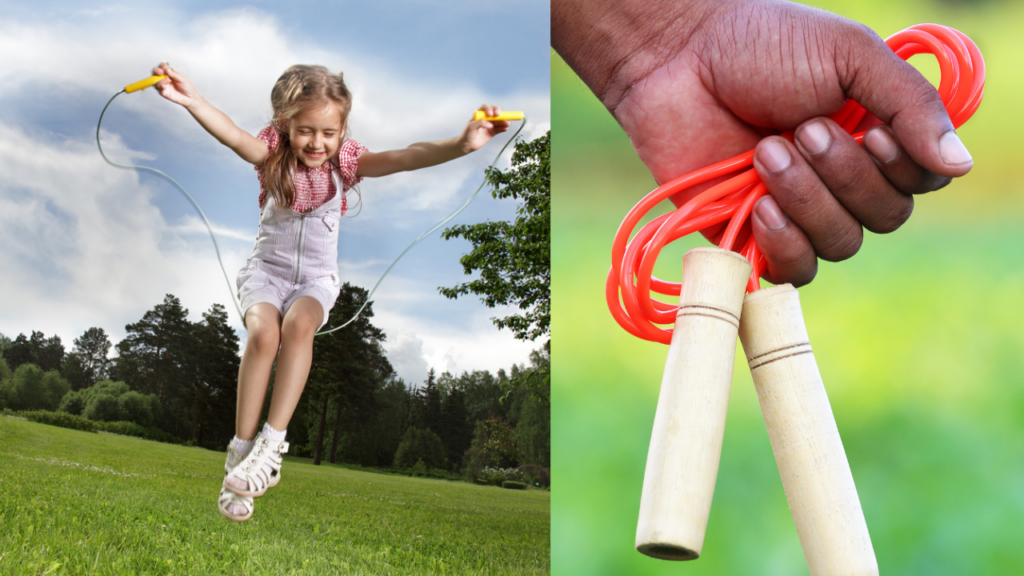
Skipping/Jumping rope- Return to childhood to be fit

When it comes to exercise we are always on the lookout for something novel or fun to do.Though not novel to any of us , skipping / jumping rope is a familiar and fun sport we associate with our childhood . Is it a rewarding exercise programme? Let’s find out !

Jumping / skipping rope biomechanics

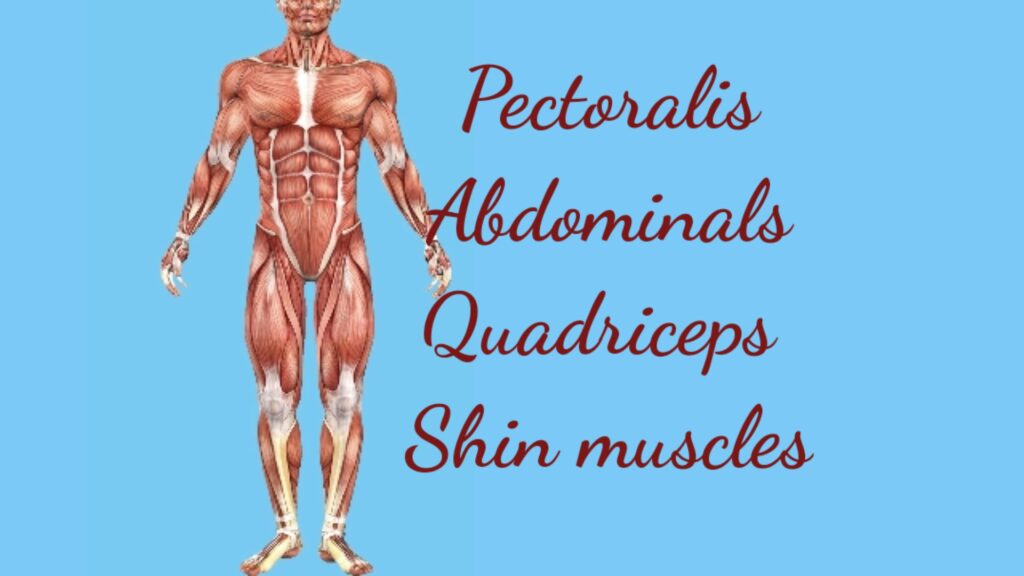
It is an exercise which involves most major muscles and hence can burn more calories. It can be a great warm up exercise before your regular exercise programme as well as high intensity exercise by itself.

It is one of the high calorie burning exercises which can be done anywhere. Jumping rope can significantly reduce abdominal fat, bood pressure and inflammation.

Rhythmic movement of head, upper and lower body sets rhythmic patterns in the heart beat and breathing . The whole body works in synchronization.

Any exercise which utilizes large muscle groups, done continuously and rhythmically at a moderate speed is termed as an aerobic exercise. Examples are swimming, cycling, jogging , etc. When done at moderate speed , skipping fits into this category. Oxygen required by the muscles to breakdown glucose and produce energy is provided by the cardio respiratory system. Oxygen supply meets the demand.

When jumping rope is done in moderate aerobic pace , it increases the contractility of cardiac muscle , regulates cholesterol levels and improves oxygen and nutrients supply to all cells.

When jumping rope is done at high intensity in a short duration , it becomes an anaerobic exercise. The muscles now require more oxygen . The cardio respiratory system is unable to meet this increased oxygen demand .The muscles then breakdown glucose without oxygen. Hence the name anaerobic (without oxygen).

High intensity training , in addition to the above benefits , improves the tone of blood vessels , prevents aging of heart muscle and reduces body mass index.

How good can you get?

120 jumps per minutes is considered slow and novice level , while a grand rope master can do more than 420 jumps per minute!!

10 minutes of jumping rope at 120 jumps per minute equals to 30 minutes of jogging

John A Baker

Jumping/skipping rope consists of three phases

Loading phase

Flight phase

Landing phase

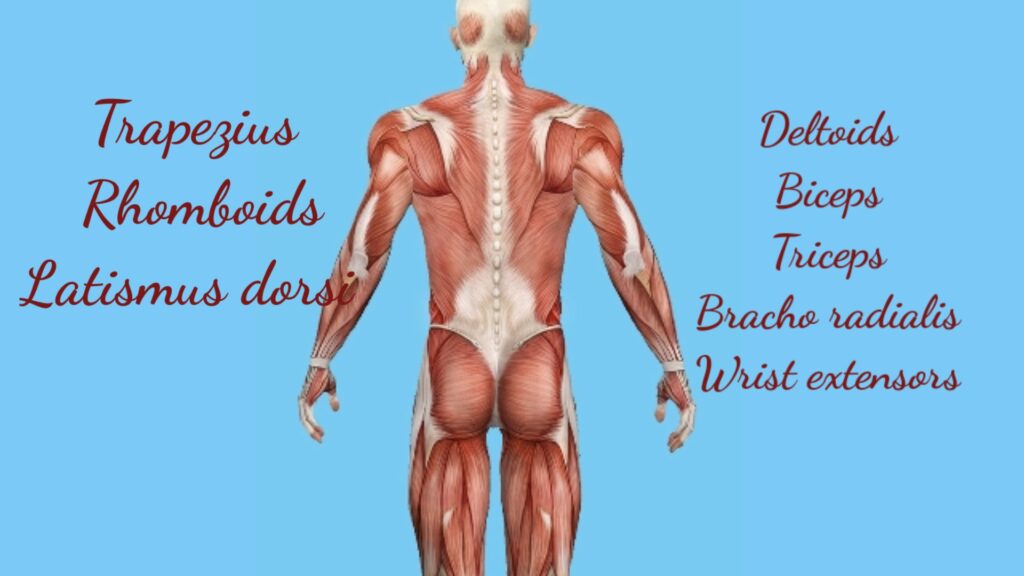
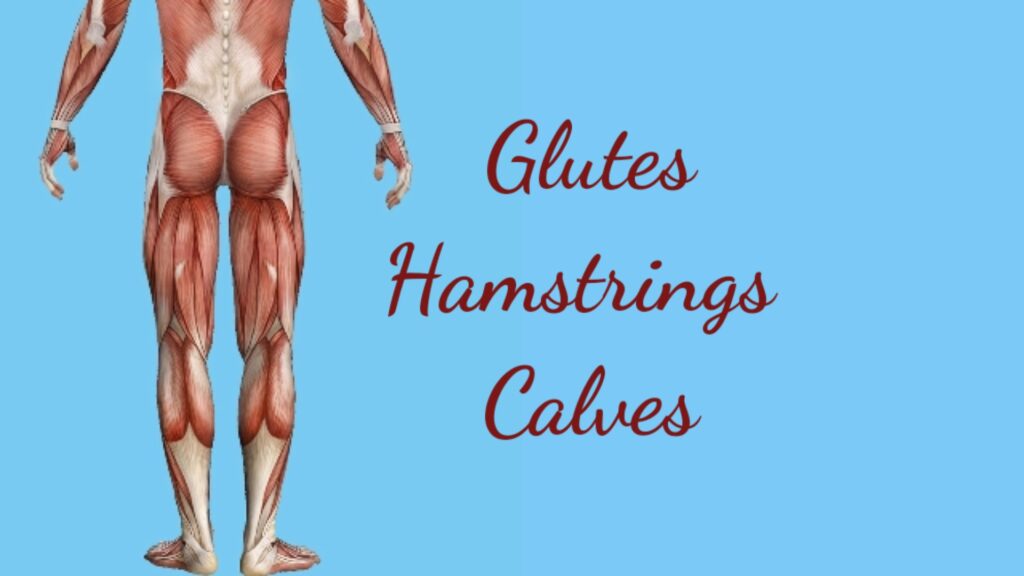
To complete these phases, the upper and lower body muscles act in coordination along with swing of the rope, timing and grip strength. All these combined actions fine tune our neuromuscular system.

Balance

Balance is the ability of our body to remain upright and steady over a period of time. Many parts of our body are involved in balancing our body like the eyes , receptors in ears , muscles , skin, joints. Our brain receives inputs from these organs and balances our body accordingly.

Skipping rope is a balance training exercise. It strengthens the muscles and joints and connects your body with the brain by establishing strong neural pathways. Balance training prevents falls and injuries.

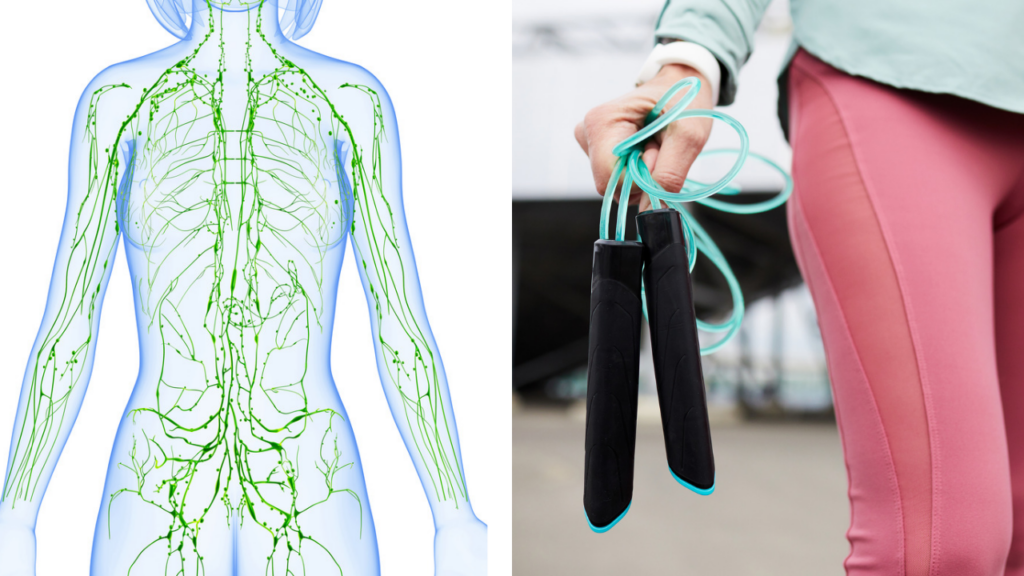
Lymphatic drainage

Lymphatic vessels collect excess fluid, toxic waste and micro organisms from the tissues.These are processed in the lymph nodes and then enter the main circulatory system. Lymph flows only in one direction and is dependent on the skeletal muscles for propelling the fluid forward. Since jumping rope involves most major skeletal muscles , it is a highly effective exercise for lymphatic drainage.

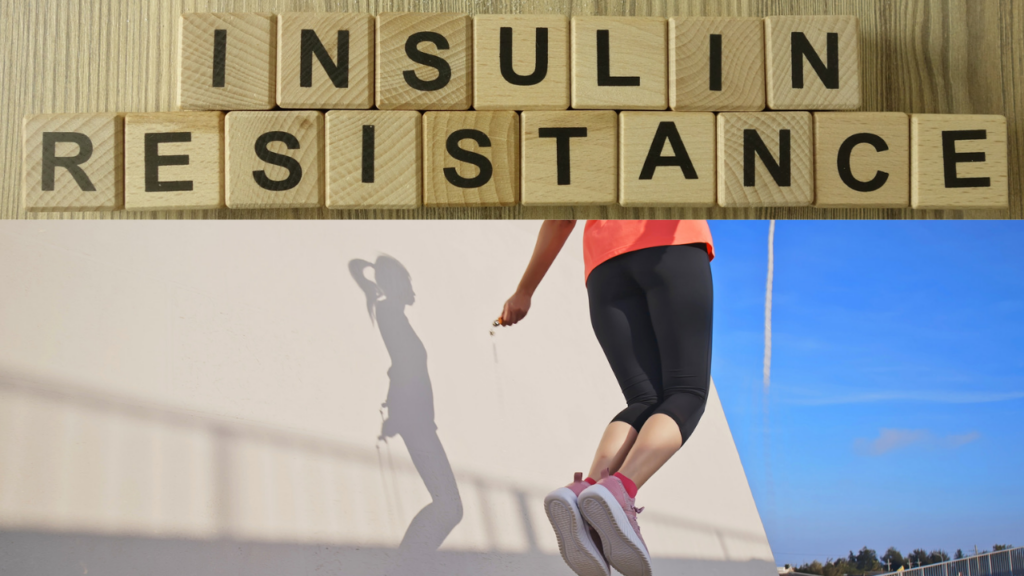
Prediabetes and insulin resistance

Insulin is a hormone necessary for glucose to enter the cells . Inside the cells , glucose is broken down to provide energy to the cells. If there is no enough insulin or if the the cells are resistant to insulin , glucose cannot enter the cells. It stays in the blood and raises the blood glucose level. Prediabetes is a condition in which the blood glucose levels are slightly higher than normal and your cells are resistant to insulin. This condition can run for many years till you become a frank diabetic. Three main strategies at this stage prevent diabetes .They are weight loss, physical activity and healthier diet. Jumping rope can aid in weight loss and activate skeletal muscle cells to reduce insulin resistance.

Constipation

Constipation is infrequent or difficulty in passing stools. A person suffering from habitual constipation has increased colon transit time which means all the toxic wastes including potential carcinogens are in contact with the intestinal lining cells for a prolonged time.This is a risk factor for colorectal cancer. One major cause of constipation is physical inactivity. An old folk prescription for constipation is warm water and a minimum 60 seconds of rope skipping in the morning to activate intestinal movement.

Hand Eye Body coordination

Jumping / skipping rope involves simultaneous swift coordination of hand , eye and the body. Moreover , during jumping , information regarding our body’s position is continuously collected by the inner ear and sent to the brain. Daily practice strengthens the interconnecting visual , auditory and motor neural pathways. This improves visual tracking skill . It is the ability to fix your gaze on a moving object and track it. This can significantly increase your reading and learning skills.

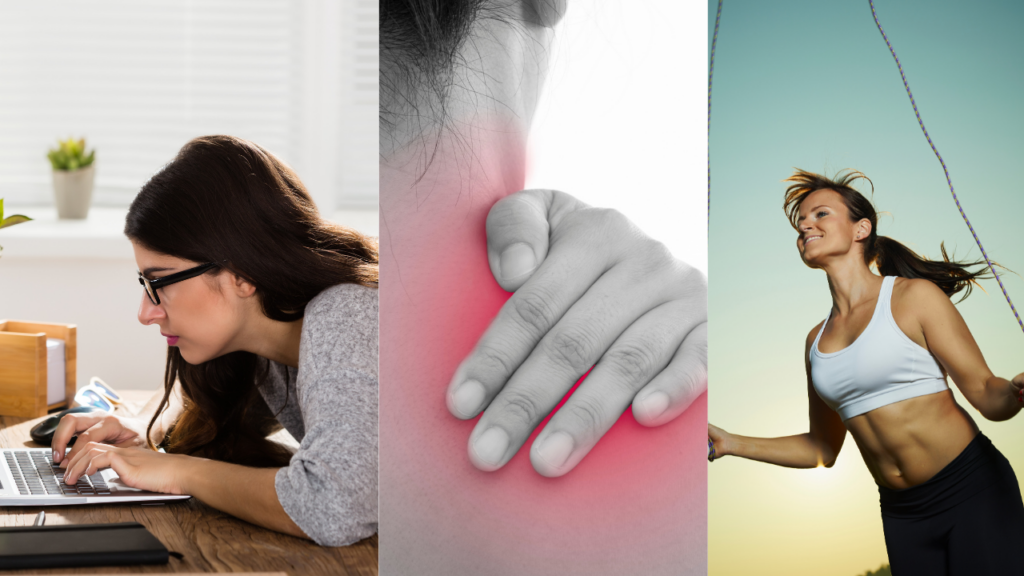
Posture

Improper or drooping posture while sitting , standing, walking and sleeping can result in increased muscle tension resulting in pain in a particular area and joints , poor blood circulation and decreased oxygen levels in the blood.. When neck and upper back muscles are involved, it often causes headache on the affected side . All these can tremendously decreases our energy levels in our day to day tasks.

Jumping/ skipping rope works most muscles involved in maintaining proper posture, improves circulation and oxygen levels in the blood. Moreover it strengthens the postural muscles . All these factors , along with adequate hydration can dramatically reduce chronic muscle pain and associated referred headache.

Agility

It is the ability to move your body quickly without losing balance and coordination. Agility is required for preventing injuries in day to day tasks and to play efficiently in competitive sports. Jumping rope tremendously improves speed , rhythm and sense of timing.

Brain function

Any exercise programme has a positive impact on brain health. It improves memory and has an anti depressant effect. It can improve quality of sleep and enhance mood. According to a study , a single three minute bout of rope skipping can alter the state of brain positively and put the brain in learning mode. It also increases focus and alertness.

Bone health

Osteoporosis is age related loss of bone mineral density . It is also related to menopause, physical inactivity and nutritional deficiency. Jumping /skipping rope is a weight bearing aerobic exercise that results in stronger bones. This is due to the fact that bone forming cells are activated when bones are put on stress.

In addition , jumping rope exercise works many minor and major skeletal muscles and puts stress on the bones to which they are attached. In response to the stress, the bones undergo remodeling and become denser. Jumping rope exercise along with adequate calcium intake and vitamin D works wonders for bone health.

Grip strength

It works the forearm muscles , wrist extensor muscles, grip producing and relaxing muscles . Regular practice increases grip strength significantly. This can improve our work efficiency in daily tasks and for people who use hand tools in their profession .

Takeaway

Jumping/ skipping rope is a rewarding exercise which adds effervescence to your mind and body. There are so many variations which can add variety to your practice.It is a skill to be mastered which can induce neuroplasticity in the brain, weight loss and has cardiovascular benefits . Finally, its a fun way to upgrade our body and brain function.


Reference

  • 101 Best Jump Rope Workouts Buddy Lee, Hatherleigh Press, 11-Dec-2018 

CURD / YOGURT – Difference and health benefits!

Are curd and yogurt super good foods? What is the difference between the two? Lets explore the health benefits and ayurvedic perspective of curd.

CURD

Curd is a staple food in the Indian sub continent. You will rarely come across an Indian who doesn’t like curd. It is taken as curd rice, buttermilk or lassi depending on one’s personal choice.

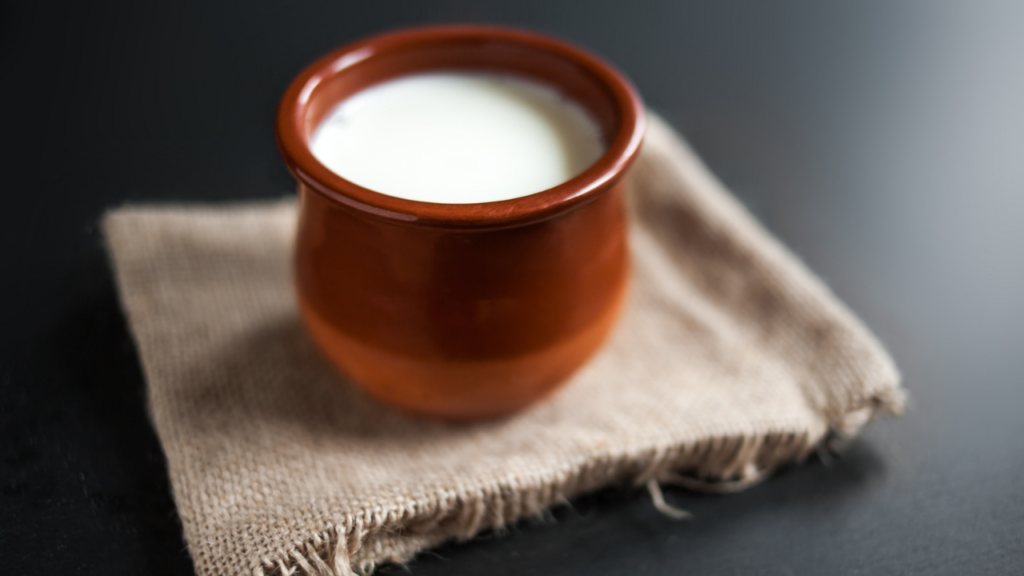
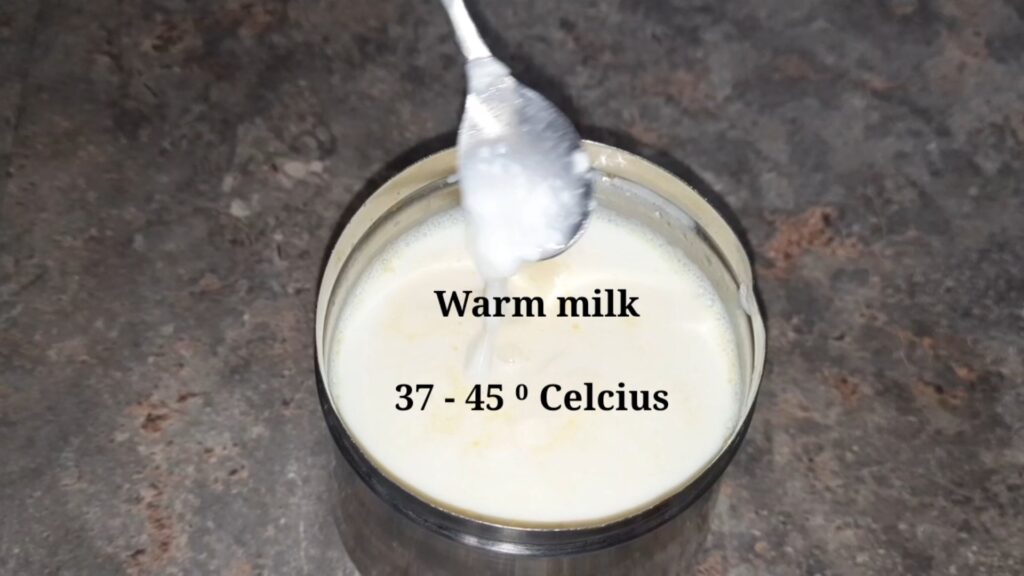
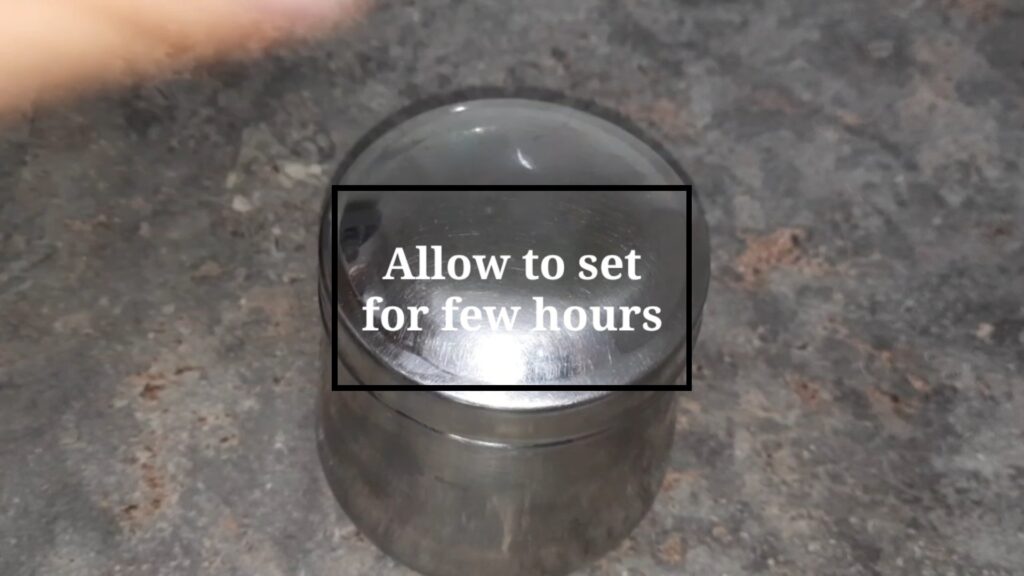
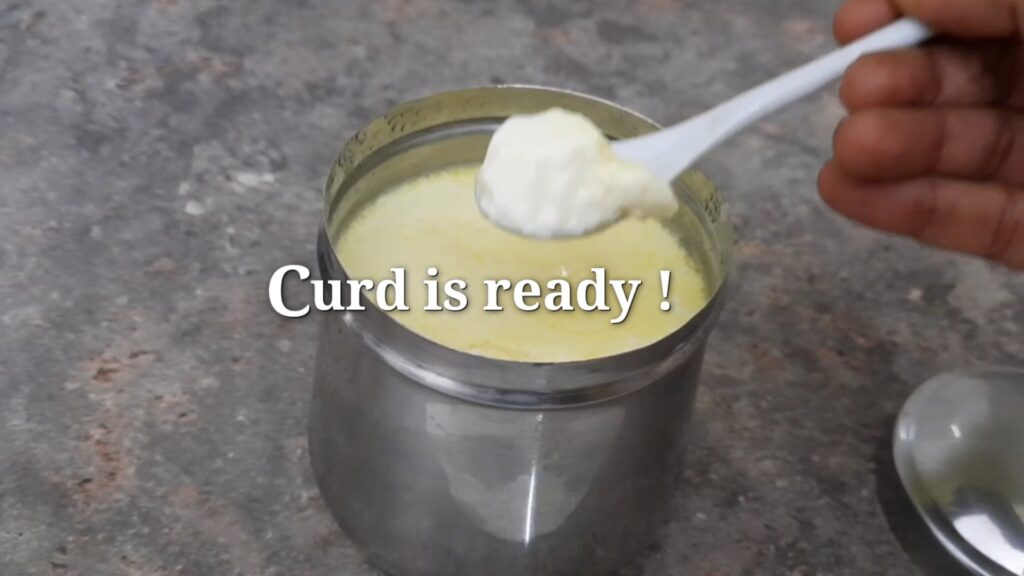
Almost every household in India prepares curd on a daily basis. It is prepared by adding little previously made curd(starter) to warm milk . The Lactobacillus bacteria in the starter begins the fermentation process. It is then let to set for few hours. After few hours the curd is ready to consume.

The fermentation process

Curd is produced by a process called fermentation. The two components of milk that take part in curd formation are the sugar and protein present in milk. Lactose is the sugar and casein is the milk protein.  When bacteria act on  lactose , it undergoes fermentation producing lactic acid . The lactic acid decreases  the pH and clumps the  protein molecules in the milk together. This is how the liquid milk becomes semisolid curd or yoghurt.

YOGURT

Yoghurt  is  a Turkish term which means thick sour milk. Like curd, yogurt is made in the households of western countries by fermenting milk.The strains of bacteria in yogurt may vary from the Indian curd due to climatic and geographic difference.

Yogurt has been in European and  Eurasian cuisine for millenniums .Yogurt is the term now commonly used all over the world for fermented milk.

STORE BOUGHT YOGURT

Two specific strains of bacteria, namely , Streptococcus thermophilus and Lactobacillus  bulgaricus are used for fermentation in commercially made yogurt.They may also contain preservatives, sweeteners and flavours.

GREEK YOGURT

Greek yogurt is the thicker version of yogurt. It is made by straining the liquid from yogurt. It is creamier and richer to taste.

Are they superfood?

Curd/ yogurt is a good source of protein , calcium and a moderate source of Vitamin B 12 and magnesium. Apart from these they are a very important dietary source of probiotic bacteria.

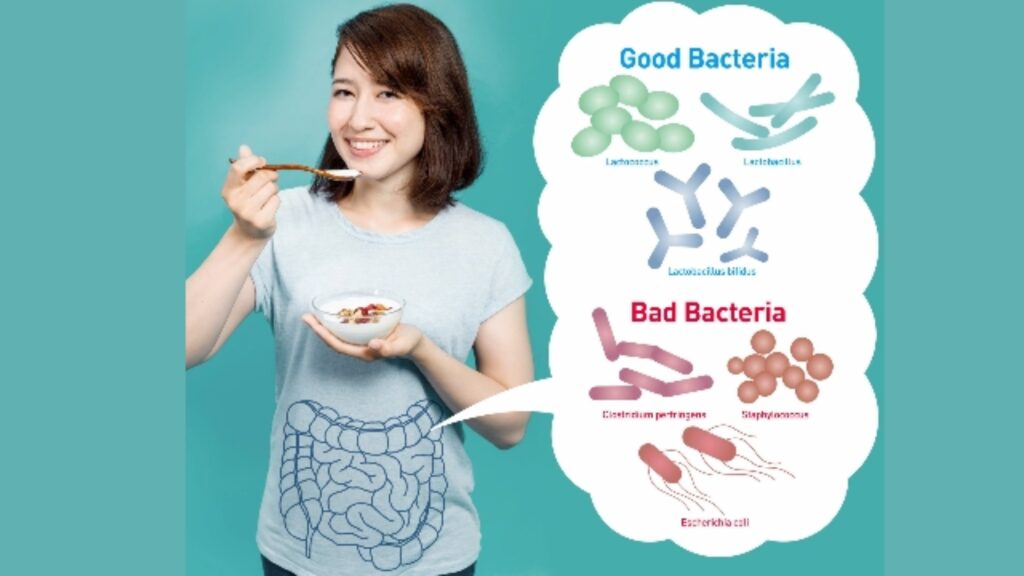
Good Vs Bad bacteria

Probiotics are friendly gut bacteria that contribute to our health. They work on the principle good outnumbering the bad .They multiply in the gut and do not allow bad bacteria to grow.

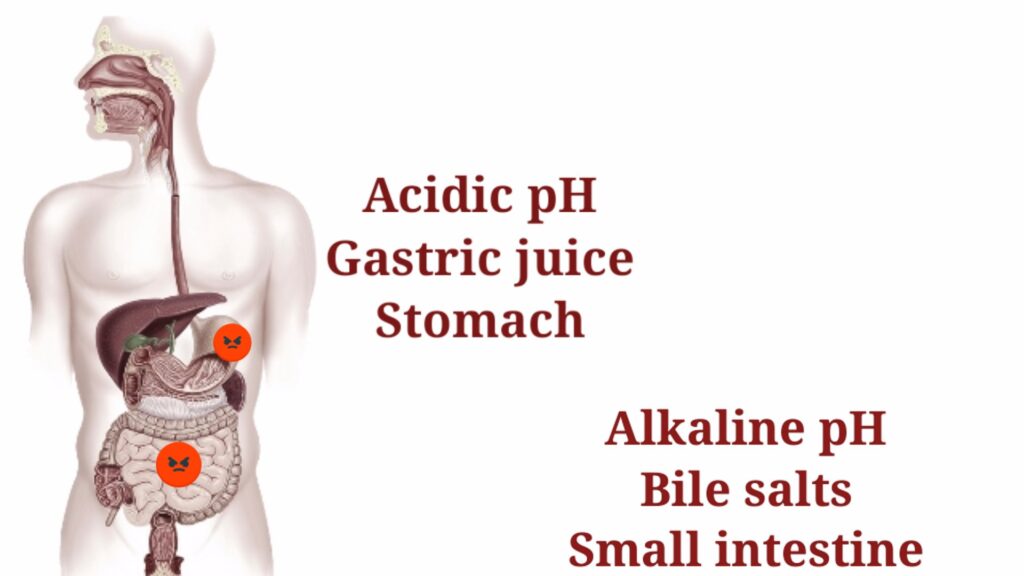
Any probiotic bacteria , to reach the gut , where they are going to stay , have to pass through two danger zones . One is the gastric juice which is strongly acidic and the  next is the strong alkaline pH of bile salts in the small intestine.

Research has confirmed that many bacteria present in curd like Lactobacillus fermentum Lactobacillus casei and Lactobacillus acidophilus  can thrive  in these areas  and enter the colon safely.

The Lactobacillus bacteria produce lactic acid and decrease the gut pH. Many disease causing bacteria do not survive  this pH and will not be able multiply.

Also, they produce a substance called bacteriocin .This is toxic to many bacteria. Moreover, they competitively adhere to the intestinal mucosa, not giving opportunity for other bacteria to flourish.This is how probiotic bacteria maintain the balance between good and bad bacteria.

Boost immunity

They boost our immunity by interacting with the immune cells and  produce  various chemical messengers to activate the immune system.

Regulate blood cholesterol

These bacteria  help in controlling blood cholesterol levels and increase HDL Cholesterol.

Vitamin synthesis

They also produce many B complex vitamins such as biotin, cobalamine, folate, nicotinic acid, pantothenic acid, pyridoxine, riboflavin, thiamine and  vitamin K in our gut .

Prevent leaky gut

The lining cells of our intestine are closely attached to each other. This prevents bacteria and toxins entering the blood circulation . Leaky gut is a condition in which the tight junction between the intestinal cells is not present .This results in intestinal toxins and bad bacteria entering the blood . Lactobacillus bacteria a express tight junction proteins in the intestinal lining cells . These proteins close the gap between cells and make it leak proof.

 These bacteria also play a role in preventing

  • Irritable bowel syndrome
  • Inflammation of the gut
  • Antibiotic induced diarrhoea
  • Cancer
  • Allergies

How to eat?

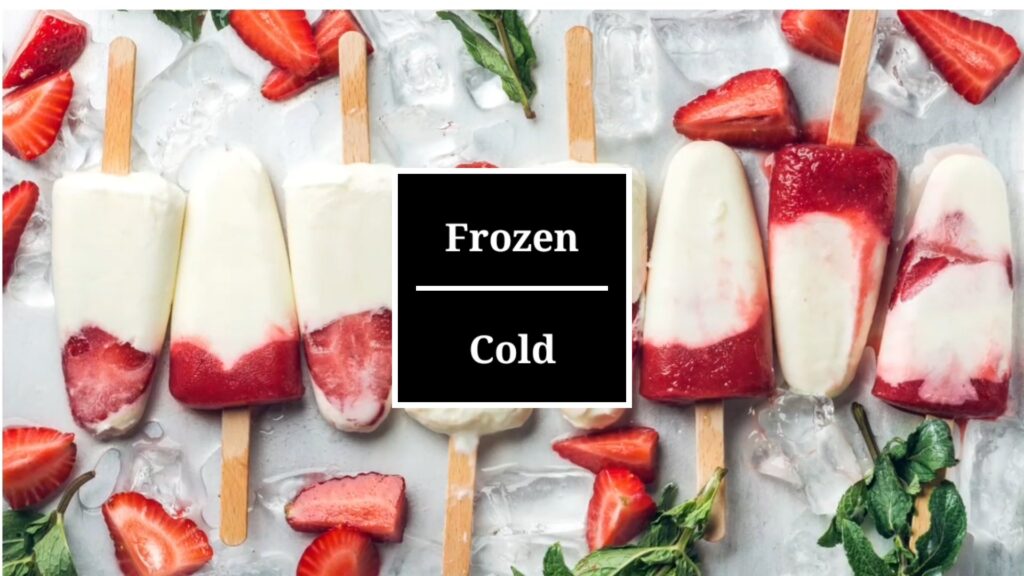
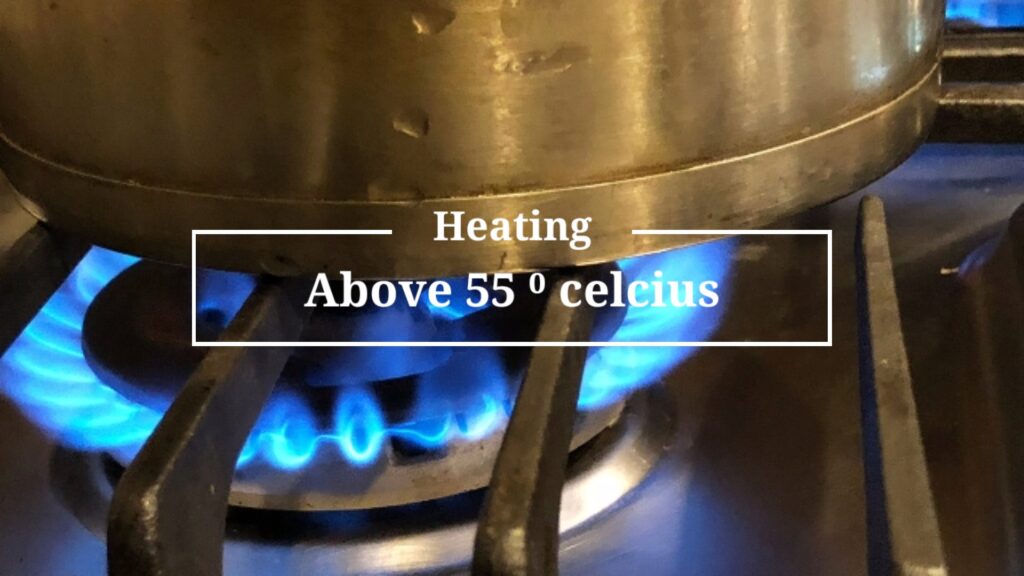
It is best to consume curd fresh , at room temperature .The bacteria are metabolically active at 37 – 45 ⁰ celcius.

When cooled to low temperatures, the bacteria become dormant or inactive. They become active once the temperature increases above 30 ⁰ celcius . Heating curd above 55 ⁰ celcius kills the bacteria. The curd loses its probiotic quality.

Ayurvedic perspective of curd

  • Ayurveda recommends eating fresh, well set , sweet curd which has not turned sour.
  • It improves taste and is an appetizer.
  • It improves strength and immunity

Ayurveda does not recommend eating curd during night as it is heavy to digest and can increases mucus secretion. when curd is fermented for too long , it turns sour. Sour curd is hot in potency and one should not eat sour curd if symptoms of hyper acidity and inflammation are present.

The takeaway

Curd/yogurt is a nutritious , probiotic food with science – backed benefits . It is a comfort food and a staple across the Indian sub continent. It is best to have homemade curd or yogurt , which is really easy to make. Fresh curd or yogurt by itself is sweet and has a warm flavour without any added sweeteners , flavours and preservatives. Make sure to include it in your daily diet!

Can Butter Milk really be called An Elixir ?

Ayurveda calls buttermilk an elixir and a nectar.Do scientific researches validate the health benefit claims of buttermilk ?

There are different types of buttermilk and they vary according to their fat content and dilutions with water. Lets find out about the traditional buttermilk , which is the liquid left behind after churning out the butter  from curd or fermented cream. This is the commonly prepared buttermilk in the Indian subcontinent .

Ayurvedic perspective of buttermilk

A person who takes buttermilk everyday never becomes ill and the diseases which are cured by buttermilk never recur again.

Ayurveda

According to BhavaPrakasha, one of the major books of Ayurveda, buttermilk is for humans as nectar is for Gods. It is the nectar present on earth. It is  called Param Amrut or an elixir which keeps diseases and old age away.

It is considered as

  • a healing medicine
  • a vehicle for carrying drugs
  • a wholesome food that maintains health

Buttermilk is

  • Sweet , astringent and sour to taste
  • Hot in potency.
  • Pacifies all the three doshas namely vata , pitta and kapha.
  • Easy to digest
  • Improves the digestive strength
  • Cleanses the srotas.Ayurveda explains srotas as the channels through which our body fluids circulate . As age advances, these channels tend to close and the cells do not get adequate nutrition. This results in aging signs like loss of memory , reduced vision ,wrinkles on the skin etc.  Buttermilk penetrates , cleanses and opens  the micro channels for the nutrients to enter . Since the cells now get adequate nourishment , it results in improved strength,  skin texture and vision and the signs of aging vanish.
In Ayurveda buttermilk is commonly used to treat
  • Hemorrhoids
  • Fluid retention
  • Diarrhea
  • Flatulence and bloating
  • Anorexia

Depending on one’s body condition, buttermilk is taken with a combination of spices.

Butter milk is sour in nature . It may aggravate pitta if taken in excess. If a person is suffering from aggravated pitta showing symptoms of hyper acidity, inflammation etc, sugar is added to pacify pitta dosha . Unrefined sugar like jaggery or palm sugar is preferred.

For a person suffering from slow digestion, cold or excess phlegm conditions like sinusitis , trikatu is added . It is a powerful ayurvedic combination of long pepper black pepper and dried ginger.

If one suffers from increased vata showing symptoms of bloating, flatulence, anxiety, muscle pain, dryness of skin etc, buttermilk is taken with little salt.

It is also commonly mixed with herbs like coriander Curry leaves and fresh ginger as a carminative and digestive drink.

Modern food science and buttermilk

Buttermilk is a complete food. It contains

  • Proteins
  • Carbohydrates
  • Minimal fat
  • Vitamins
  • Minerals and enzymes.
  • 90% water
  • Probiotic ( gut friendly bacteria)

How is buttermilk made?

Buttermilk is made using two types of creams.

  • Sweet cream obtained from milk or
  • Sour cream obtained from fermented milk (curd or yoghurt).It is the fat rich top layer which forms in curd. In Indian households, buttermilk is made using sour cream. It has all the nutritional qualities of fresh cream and in addition to that , has gut friendly probiotic bacteria. It is sour because lactose sugar present in milk is converted to lactic acid by bacteria when curd is formed.

What happens during churning?

Milk contains milk fat globules. A membrane called milk fat globule membrane(MFGM) surrounds these globules. During churning, because of repeated collisions and inclusion of air , these membranes separate from the fat globules and go into the buttermilk.The fat globules aggregate and form butter.

Butter separating from cream during churning

This MFGM is responsible for the unique nutritional quality of buttermilk. This membrane is a complex mixture of different types of protein and fat. MFGM is a highly active biomolecule which has amazing health benefits even at low concentration. It has protein and fat in the ratio 1 : 1.

FAT ( Lipids)PROTEINS
PHOSPHOLIPIDS
Sphingomyelin
Phosphotidyl choline
Phosphatidylehanolamine
Mucins
Lactadherin
SPHINGOLIPIDS
Gangliosides
Ceramides
Cerebrosides
Butyrophylin
Xanthine oxidase
Constituents of MFGM

Lipids of MFGM

The fat component present in MFGM contain sphingomyelin.This molecule helps in insulating nerve cells and effectively transmit nerve signals.It enhances spatial learning and memory also has anti stress, anti depressant and anti Alzheimer’s effect.

The phospholids control the intestinal absorbtion of cholesterol and have anti hypertensive and anti cancer properties. They also bind and inactivate many disease causing bacteria, virus and toxins.

They are vitamin binders and help in the absorbtion of fat soluble vitamins A, D ,E and K.

In addition to these, the lipid component of MFGM effectively inhibits Rotavirus which is notorious for causing diarrhea in infants and children.

Proteins of MFGM

In addition to casein and whey protein , the proteins present in MFGM play a significant role in fat digestion, cell signalling, immunity and gut health. They support beneficial bacteria but inactivate disease causing microbes and toxins.

Helicobacter pylori is a bacteria that causes gastritis, peptic ulcer and stomach cancer. According to a study done in 2001, the protein component of MFGM present in buttermilk is capable of curing H pylori infection.

Studies have shown that MFGM proteins help in preventing breast and colon cancer. Certain peptides released during the digestion of MFGM stop the cells from undergoing carcinogenic transformation .

As we can see , the amazing health benefits of buttermilk in our diet claimed by the ancient healing medicine Ayurveda is validated by modern scientific research. Its upto us now to make use of this easily available elixir in our daily diet.


References
  1. Corredig M, Roesch RR, Dalgleish DG. Production of a novel ingredient from buttermilk. J Dairy Sci. 2003 Sep;86(9):2744-50. doi: 10.3168/jds.S0022-0302(03)73870-3. PMID: 14507009.
  2. Fuller KL, Kuhlenschmidt TB, Kuhlenschmidt MS, Jiménez-Flores R, Donovan SM. Milk fat globule membrane isolated from buttermilk or whey cream and their lipid components inhibit infectivity of rotavirus in vitro. J Dairy Sci. 2013 Jun;96(6):3488-97. doi: 10.3168/jds.2012-6122. Epub 2013 Mar 30. PMID: 23548280.
  3. Spitsberg VL. Invited review: Bovine milk fat globule membrane as a potential nutraceutical. J Dairy Sci. 2005 Jul;88(7):2289-94. doi: 10.3168/jds.S0022-0302(05)72906-4. PMID: 15956291.
  4. https://www.easyayurveda.com/2010/12/05/buttermilk-benefits-ayurvedic-explanation/amp/

Is the herb Centella asiatica truly an anti aging miracle?

INDIAN PENNYWORT GOTUGOLA BRahmi
TamilVallarai , வல்லாரை
MalayalamKudangal
TeluguMandugaparni
KannadaOndalaga
Regional names of the anti aging herb Centella asiatica

Centella asiatica is a potent scientifically proven anti-aging and brain function enhancing herb.Lets find out how it works!

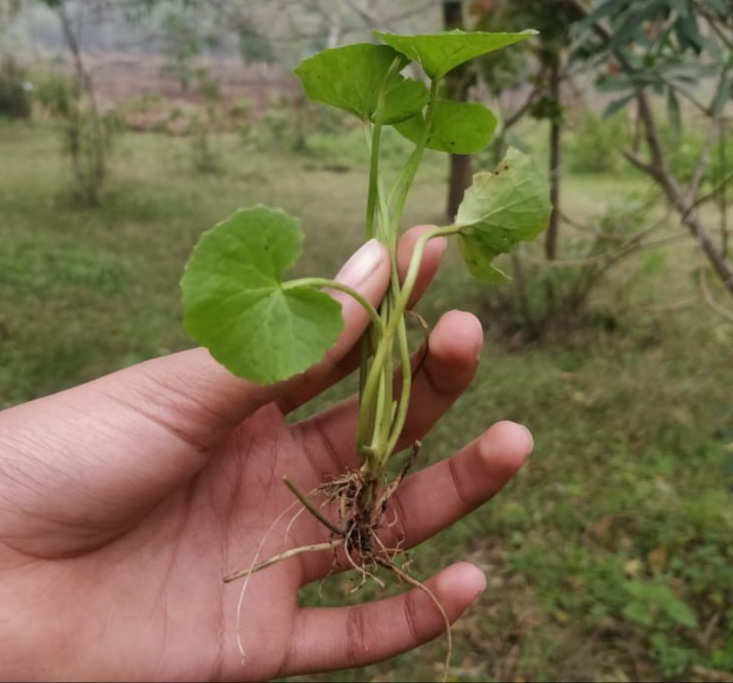
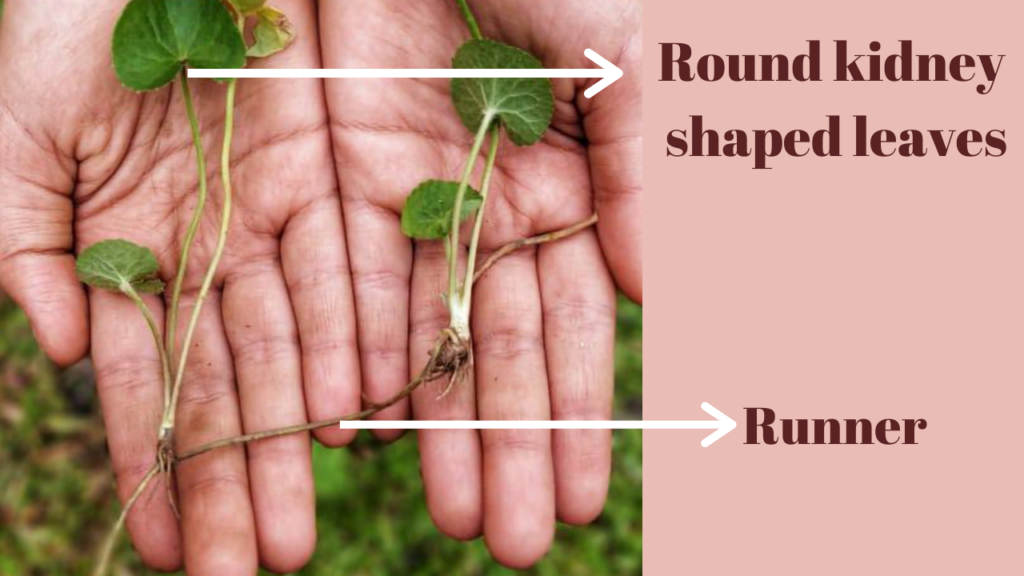
It is a small herbaceous perennial creeper which grows abundantly in swampy areas. It is commonly seen in India, Africa, China and southeast Asian countries. It is an edible herb used commonly in Asian countries. It is a well documented herb, used in Ayurveda, traditional Chinese and African medicine for over 3000 years. Many documented scientific studies have proven its preventive and therapeutic potential. Researches are still underway to confirm the claims of traditional medicine.

Although centella asiatica contains many phytonutrients like phytosterols, flavonoids, alkaloids, tannins, mucilage, resins, amino acids, and fatty acids, the main therapeutic components are the saponins.

Saponins are molecules having both fat loving(lipophilic) and water loving(hydrophilic) components. They are emulsifying agents and surfactants and hence act as mild soap. They also improve the absorption of other phytonutrients from the gut.

Harvesting Centella asiatica !

Triterpenoid saponins called centalloids are the major therapeutic bio active components of Centella asiatica.

AsiaticosideAsiatic acid
CentellosideCentellic acid
BrahmosideBrahmic acid
MadecassosideMadicassic acid
These compounds have anticarcinogenic, antimicrobial ,anti hyper lipidemic, immunomodulatory and anti inflammatory properties.

Wound healing

Collagen is a fibrous protein molecule that provides structure to the bone, muscle, skin, hair, nails and tendon. Centella asiatica increases collagen synthesis. It also increases cell proliferation and decreases inflammation in the site and reduces scar formation.

Skin health

Centella asiatica improves skin moisture by  increasing the secretion of moisturising compounds like hyaluronan, aquaporin 3 from the skin cells. It also decreases the trans epidermal water loss. It maintains the skin’s pH and the barrier function of the skin. Since it is also an anti inflammatory, it prevents micro inflammation in the skin. Thus, it can be used effectively for treating dry and sensitive skin .

Hair

Centella asiatica may decrease hair loss and strengthen hair follicles. In a study , Centella asiatica extract expressed a gene responsible for hair growth in the hair follicle papillary cells.

Venous insufficiency

It helps in the maintenance of connective tissue and thus strengthens the weakened veins . It is effective in treating hypertension,varicose veins by improving microcirculation.

Anxiety and stress

Highly anxious people suffer excessive nervousness, fear, apprehension, and worry. Centella asiatica is a good modulator of anxiety . It modulates the levels of the stress hormone CORTISOL and decreases stress levels significantly.

Depression

It increases the levels of the neurotransmitters serotonin, nor adrenaline and dopamine levels in the brain.Hence has an antidepressant effect.

Epilepsy

Seizure or a fit occurs when too many excitatory neurotransmitters are released in the brain. Many scientific studies have proven Centella asiatica as a potential seizure medicine. It reduces hyperactivity of the brain . It may be used in the treatment of seizure disorders with other medications.

Cognition

Cognition is acquiring knowledge through life experiences, thought process and usage of sense organs. Centella asiatica has been used for millenniums to improve various aspects of cognition like memory, focus, attention span, verbal skills, information processing speed.

Alzheimer’s disease

Centella asiatica being an antioxidant, reduces oxidative damage to the brain. It not only fights the free radicals but also increases the body’s own antioxidant enzyme levels. Since oxidative stress is one of the key factors linked with Alzheimer’s disease, it potentially delays the onset of the disease.

Cardiac disease

It is cardioprotective, antihypertensive, regulates blood cholesterol and prevents atherosclerosis of the arteries.

Rheumatoid disease

Chronic pain can be debilitating and can affect the psychological and emotional well being of any individual. Centella asiatica can decrease both pain and inflammation. It could be very effective in patients suffering from rheumatism.

Antiaging

Aging is a natural and irreversible process.It is a universal fact that no one likes to age. Some may become indifferent towards aging when they lose their zest for living due to psychological and physical ailments.

The rate at which a person ages is due to the complex interplay between many factors like environment, genetics, lifestyle, adaptation to stress and nutrition .

As age advances collagen content decreases gradually. Loss of collagen leads to wrinkles in the skin, weak muscles , bones, nails and hair.

Skin is the most important tool used for assessing aging. Free radicals cause oxidative damage to the cell wall, DNA and can ultimately lead to cell death. Free radicals can activate enzymes responsible for degradation of collagen, elastin and hyaluronic acid . Damage to these compounds result in loss of firmness, elasticity and moisture content of the skin.

Centella asiatica is a natural antioxidant and has a high antioxidant activity comparable to grape seed extract. It prevents skin damage and can rejuvenate skin due to its antioxidant , anti inflammatory and collagen enhancing properties.

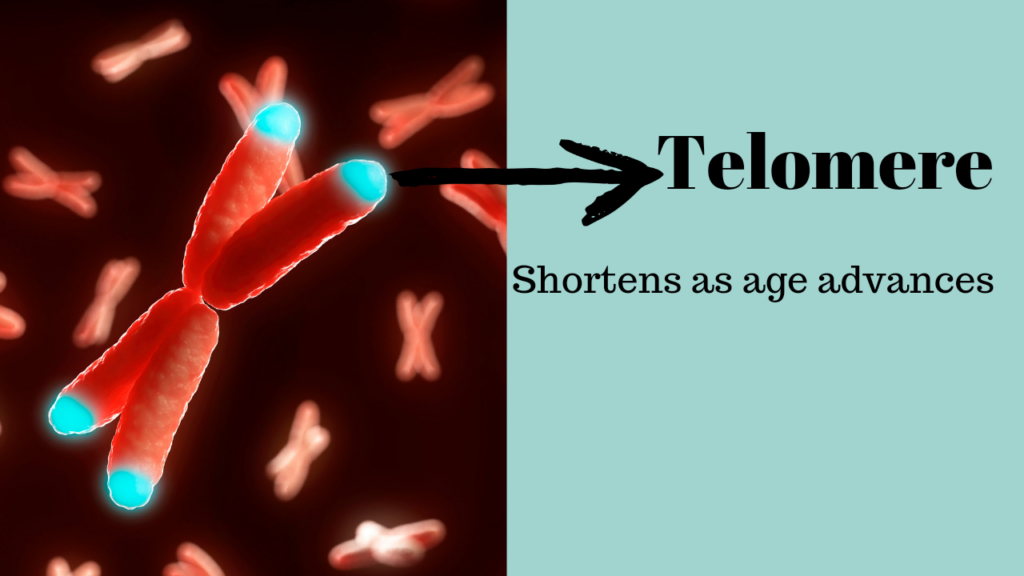
Telomere is a region at  each end of a chromosome. It protects the chromosome and keeps the genetic information intact. Shortening of telomere leads to aging and ultimately death .Telomerase is an enzyme that maintains the length of the telomere. Centella asiatica , in a study has shown to increase the levels of telomerase enzyme.

Take away

Just like how beauty is not just skin deep , aging also cannot be assessed only with the appearance of the skin. As we can see Centella asiatica counteracts all the aging parameters effectively , be it psychological, physical or intellectual. It even protects the DNA . And thus Centella asiatica can be called a true anti aging miracle.

Are free radicals bad and antioxidants always good?

Generally, free radicals are always considered bad and anti oxidants are looked upon as an antidote for everything that goes wrong in our body. In this article, lets see the role played by free radicals and the dangers of eating too many antioxidants.

The cells of our body produce certain molecules like peroxide, super oxide, nitric oxide . They are called as free radicals. These molecules are formed naturally and continuously in our body as a by product when the food we eat is converted into energy . They are also produced in our body due to environmental toxins , UV radiation, x rays etc.

These FREE RADICALS are highly energetic , reactive, unstable molecules .they are unstable and energetic because they have an unpaired electron in their outer orbit.

We can describe free radicals as hungry and angry molecules. In order to become stable  they are always on the look out  for electrons from stable molecules .

And they knock off an electron from vital cellular molecules like proteins lipids and the DNA they  come across.

After losing an electron these  molecules now become a free radical themselves and this sets off a chain reaction leading to formation of a lot more free radicals.

These free radicals are counteracted by molecules called anti oxidants . Antioxidants act in three ways

  • preventing free radical formation
  • scavenging the already formed free radicals
  • repairing the damaged cell molecules.

There are two types of antioxidants 

  • Endogenous – produced by our own body.
  • Exogenous – obtained from our diet.
Endogenous anti oxidants
ENZYMATICNON ENZYMATIC
Super oxide dismutaseGlutathione, Coenzyme Q10
CatalaseMelatonin, Lipoic acid
Glutathione peroxidaseL – Arginine etc

The exogenous antioxidants which we get from the diet are

  • Vitamin C
  • Vitamin E
  • Carotenoids
  • Selenium
  • Manganese
  • Zinc  
  • Flavonoids
  • Omega-3 and Omega 6 fatty acids etc

Whenever the free radical load is much more than the antioxidants can handle , oxidative stress occurs in our body. This leads to  inflammation and disease.

Effects of oxidative stress in our body

Premature aging  

Free radicals hasten the aging process. Damage to the skin is the most obvious sign because it is visible to our eyes as deep wrinkles, roughness, discoloration and dullness.

Brain

Oxidative stress accelerates brain aging. It alters brain vasculature and morphology, altered levels of the neurotransmitters and hormones. Initially, it results in milder forms of memory loss depression and cognitive impairment. When left unchecked, it can progress to Alzheimer’s disease and Parkinson’s disease.

Lungs , eyes and heart

It can lead to asthma, chronic obstructive pulmonary disease and in the eyes it can precipitate  age related macular degeneration and cataract formation. Oxidative stress also plays a crucial role in the development of  atherosclerosis and hypertension which can ultimately result in ischaemic heart disease.

Cancer

One major cause of all types of cancer is oxidative stress. When the DNA of the cell is repeatedly attacked by the free radicals, it undergoes mutation and the cells undergo uncontrolled multiplication resulting in cancer.

How to prevent oxidative stress ?

Preventing excess formation of free radicals would be the first step. This is by avoiding obvious stressor of our body like junk foods, alcohol , and smoking, mental and physical stress

Junk food

Junk food is energy dense, low nutrient, low fibre, fatty food. Eating too much of this leads fat accumulation.

There are two types of fat deposits. Subcutaneous fat and visceral fat. Subcutaneous fat is the fat deposit beneath the skin . Visceral fat is the fat deposited in the abdominal cavity near  the vital organs like liver, stomach and intestines. This fat is metabolically active and dangerous because it releases potentially harmful molecules that cause oxidative stress.

Tobacco

Tobacco smoke contain more than thousand toxins all of which can cause high oxidative stress in the blood vessels and wreck havoc in the clotting mechanisms of the blood.

Alcohol

Alcohol is metabolised in the liver .The metabolites of alcohol produce more free radicals and drastically decrease anti oxidant production. Liver is the master organ of our body ,an engine on which the body runs . Regular consumption of alcohol can cause full blown oxidative stress to the liver , liver injury and ultimately liver cell death.

Emotional stress

When a person is emotionally stressed for a prolonged period, stress hormones like cortisol , adrenaline and noradrenaline are released. This can be considered a sub healthy stage where there is no disease and health either. In the long term, there will be chronic inflammation and oxidative stress resulting in frank diseases.

Physical stress

Intense physical exercise can boost metabolism and result in weight loss and in the process a lot of free radicals are produced. So exhaustive physical exercise should always be countered with nutritious antioxidant rich diet and adequate water intake On the other hand, physical inactivity also causes oxidative stress , especially in the blood vessels. Long term moderate exercise is the indispensable key for health. It not only increases the production of antioxidants enzymes, but also improves the musculoskeletal function, immune and endocrine system. Exercise single handedly can reduce the occurrence of many types of cancer.

Diet

Enzymes produced in our body are basically protein molecules .So good intake of protein is a must for improving anti oxidant  enzymes. We have to improve antioxidant uptake by eating wholesome food rather than supplements because we can go overboard with supplements which can  have negative effects .Foods that are rich in antioxidants are leafy  vegetables, colourful fruits and vegetables, spices and nuts.

Too much of antioxidants?

According to many studies, too much of antioxidant paradoxically increase the chances of getting cancer.

Role of free radicals in our body.

Free radicals play an important role in the host defence mechanism. Phagocytes are our body’s first line  defence cells. They are white blood cells that engulf and digest toxins and microorganisms .They do so by producing a burst of free radicals.

Not only that, free radicals are the signalling molecules for many cellular events  within the cells and between many cells of our body.

Antioxidant supplements

Supplements do come in handy when our diet is lacking in antioxidants . They can be used for short period of time and are generally recommended in certain medical conditions, where the oxidative damage has already occurred or in certain gastro intestinal disorders.

It is important to get medical advice before starting antioxidant supplements . Facts about the dosage and how long it is to be eaten should be analysed. Antioxidant supplements cannot counteract our unhealthy lifestyle entirely. On the contrary, we have to be cautious with antioxidant supplements as they can become pro oxidants when consumed in excess.

The bottom line

We have to maintain minimum required amount of free radicals for the cell functions and also keep them in  check so that they do not cause any damage. So, maintaining the delicate balance between free radicals and antioxidants is the key to our wellbeing.


References

  • Pham-Huy LA, He H, Pham-Huy C. Free radicals, antioxidants in disease and health. Int J Biomed Sci. 2008;4(2):89-96.
  • Birben E, Sahiner UM, Sackesen C, Erzurum S, Kalayci O. Oxidative stress and antioxidant defense. World Allergy Organ J. 2012;5(1):9-19. doi:10.1097/WOX.0b013e3182439613
  • Laufs U, Wassmann S, Czech T, Münzel T, Eisenhauer M, Böhm M, Nickenig G. Physical inactivity increases oxidative stress, endothelial dysfunction, and atherosclerosis. Arterioscler Thromb Vasc Biol. 2005 Apr;25(4):809-14. doi: 10.1161/01.ATV.0000158311.24443.af. Epub 2005 Feb 3. PMID: 15692095.