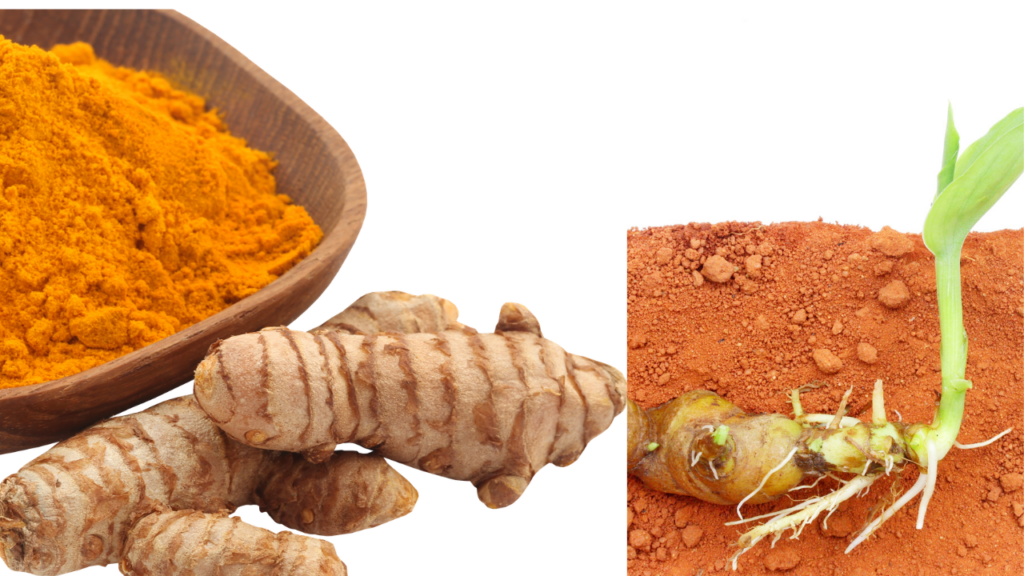
According to Marco Polo (1280 AD) , turmeric has all the properties of true saffron. Lets explore its evidence based real worth !
Turmeric is the spice obtained from the plant Curcuma longa belonging to zingiberaceae family. The part of the plant used is the rhizome which is an underground stem just like ginger.
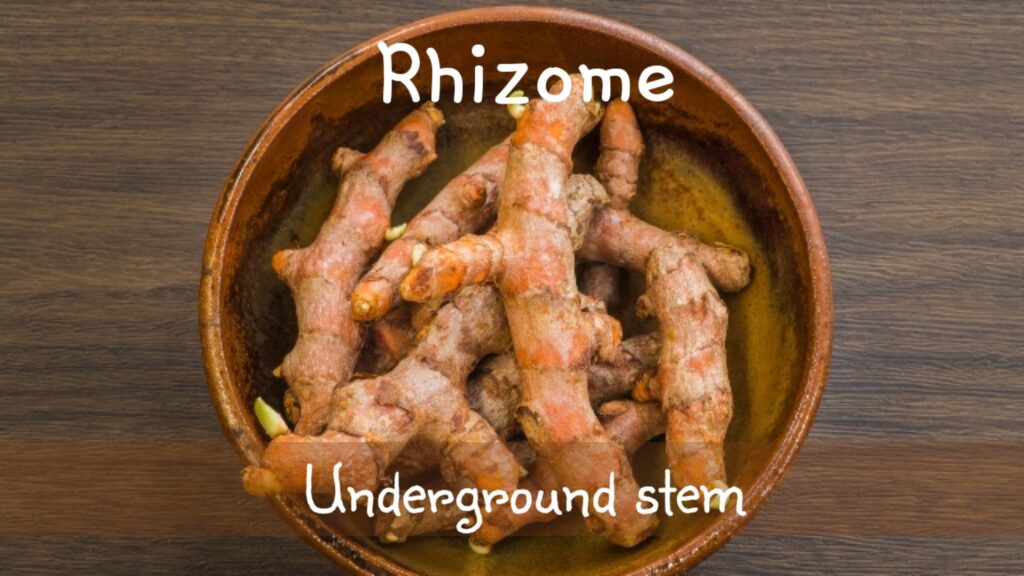
It is native to India and has a very long history of medical and culinary usage dating back to 1500 – 2000 BC. It is commonly used in Ayurveda, Sidha, Unani and Chinese medicine. India is the largest producer and exporter of turmeric in the world.
Turmeric in ayurveda
Turmeric tastes bitter and pungent, dry and light, hot in potency. It can balance all the three doshas (vata, pitta, kapha) due to these properties.
This yellow spice detoxifies, enhances complexion, heals wounds, kills micro organisms and worms. It cures respiratory and urinary tract infection and is most useful for treating diabetes.
In religious traditions
In India, turmeric is revered as a holy spice. It always plays a role in religious rituals. It is one of the two ingredients ( the other one being lime) used in making Kumkum, the vermilion colour powder.
In south Indian villages, just like holi celebrated in North India, there is a custom of playing in turmeric water. During the annual temple festival, people celebrate by pouring turmeric water on each other.

These festivals usually fall during late spring or early summer when there is an increased incidence of contagious diseases like chicken pox.In addition to the fun part, this celebration serves to prevent spread of infections.
What does turmeric contain?
The yellow colour of turmeric is due to a group of pigments called curcuminoids. The main pigment is curcumin and most health benefits are due to this pigment.
Many other phytochemicals like alkaloids, flavonoids, tannins, saponins are also present which are responsible for the anti-inflammatory and antioxidant properties of turmeric.
| Pigments | Essential oils |
| Curcumin | Curcumol |
| Demethoxycurcumin | Eugenol |
| Bisdemothoxy curcumin | Zingeberene |
| Cyclocurcumin | Turmerene |
| Tetrahydrocurcumin etc | Curcumenol etc |
Culinary uses
It is a food colorant and a component of curry powder, gravies, sauces, pickles and soups. It is a quintessential component in Indian curries and a food colorant.
Curcumin bioavailabilty
According to studies, curcumin is not soluble in water and requires fat for absorbtion. In a study, 20mg of piperine (a compound present in black pepper) given with 2000mg of curcumin, increased the bioavailability of curcumin by 2000%.
In India, turmeric is used as a whole spice . Since turmeric itself has many essential oils and is seasoned with cooking oil , there is no problem of fat solubility and bioavailability. Also, in many dishes like rasam and curries, pepper is added too!
Acute vs chronic inflammation
Whenever there is an abnoxious stimulus like a toxin, trauma, or microbial infection, acute inflammation occurs in our body. It is a protective and healing physiological response.
Cells and molecules rush to the site of damage/infection and recruit other cells for help to eliminate the offending stimulus.
These events give rise to the classic signs of inflammation like pain, swelling, redness and heat.
Inflammation is derived from the Latin word “to set on fire“.When the primary event or purpose is solved the fire has to be put off.
If the inflammation persists longer than required it is called chronic inflammation which is like firewood lit up for a purpose in winter still burning in summer!
Whenever there is persistent inflammation, there is always an ongoing fight between pro inflammatory and anti inflammatory mechanism in our body.
Due to this, the body is constantly in war. This triggers many chronic diseases like diabetes, atherosclerosis, cancer, irritable bowel syndrome, rheumatoid arthritis, asthma, and Alzheimer’s disease.
Inflammation and turmeric
According to studies, curcumin, the most bioactive compound present in turmeric is a potent anti-inflammatory agent. It prevents inflammation by inhibiting NF-kB, TNF-alpha, prostaglandin E2 etc and by activating compounds that switch off inflammation.
Cyclo oxygenase pathway
Curcumin inhibits the cyclooxygenase 2 pathway and reduces the synthesis of prostaglandin E2, a potential mediator of pain and inflammation. Ginger and vitamin D also decreases inflammation and pain through the same mechanism.
The Pharmaceutical anti inflammatory painkillers (NSAIDs – non steroidal anti inflammatory drugs) also do the same job. This also inadvertently inhibits cyclooxygenase 1 pathway which leads to loss of stomach lining resulting in ulcer formation.
NF-kB ( Nuclear factor kappa B)
This proinflammatory molecule secreted by B lymphocytes, when activated, stimulates other white blood cells and produces free radicals .These free radicals, at first attack and destroy infectious and toxic agents.
Free radicals are highly reactive molecules which are always on the lookout for stable cellular molecules to react with. If the inflammation persists, they start destroying the tissues nearby. Due to this, proteolytic enzymes, inflammatory mediators. and more free radicals are released.
If inflammation persists for a longer period, the above products,
- Damage the DNA and RNA of our cells
- Suppress tumor suppressor genes
- Activate oncogenes
- Inhibit antioxidant enzymes and DNA repair genes
- Inhibit cellular apoptosis. (Apoptosis is a protective mechanism by which abnormal cells are destroyed in our body.)
This is how chronic inflammation leads to many chronic diseases including cancer. NF-kB is the most important inflammatory pathway which leads to cancer and curcumin effectively inhibits its activation.
Obesity and turmeric
Obesity is now a global health issue due to its direct link with many chronic diseases. A health pill which can prevent obesity, aid in weight loss, reduce the associated health risks is the need of the hour .Turmeric fits into this description quite well.
Lipid lowering property
Many studies have proven that curcumin present in turmeric lowers triglycerides, free fatty acids and low density lipoprotein(LDL), and total cholesterol levels in the blood.It reduces fatty acid production in the liver and increases HDL cholesterol.
Weight loss
Many animal studies have concluded that curcumin consumption results in weight loss and increased lean tissue. This might be due to the inhibition of adipogenesis(formation of fat cells from stem cells). It also increases the basal metabolic rate resulting in increased energy expenditure leading to weight loss.
Role of adipose tissue
Excess calories are stored as fat in the cells called adipocytes. These fat-laden adipocytes along with many other immune cell-like macrophages and lymphocytes from adipose tissue
Adipose tissue is stored under the skin as subcutaneous fat and around the vital organs in the abdomen as visceral fat. This tissue is not just an inactive sleepy tissue where extra energy is stored. But rather, a metabolically active secretary organ.
Adipose tissue secrete many proinflammatory compounds like hormone leptin and cytokines that increase insulin resistance. Curcumin decreases these inflammatory mediators released from fat tissue.
Turmeric and diabetes
Curcumin reverses insulin resistance and increases glucose uptake by the cells thereby reducing blood sugar levels. Insulin is secreted by beta cells of the pancreas. Curcumin protects beta cells from oxidative damage due to its antioxidant property.
Turmeric and brain health
Studies have found that curcumin is able to cross the blood brain barrier and also penetrate the cell membrane of neurons easily.
Depression
Chronic stress results in hyperactivity of hypothalamus pituitary axis (HPA) and increased secretion of stress hormone cortisol.
When a person is clinically depressed,
there is increased
- Inflammation of neurons
- Oxidative stress
And decreased levels of
- Neurotransmitters (serotonin and dopamine)
- Neurotrophic factors ( responsible for neuroprotection,neuro regeneration and neuroplasticity)
Most modern antidepressants aim at maintaining adequate levels of neurotransmitters by inhibiting their break down. According to many studies done in animal models and in humans, curcumin acts multimodally to control depression. It has anti inflammatory and antioxidant effect. In addition to this, it increases the neurotrophin and neurotransmitter levels.
Alzheimer’s disease
Alzheimer’s disease is characterized by deposit of an abnormal protein called amyloid Beta peptide in the brain. In addition to this, neurofibrillary tangles are formed leading to loss of neuronal function and ultimately progressive memory loss. In many clinical studies curcumin has shown to prevent the formation of amyloid Beta peptide. Additionally, it also degrades the already formed abnormal protein in the neurons.
Other brain conditions
Curcumin plays a role in preventing age-related cognitive decline and memory impairment by virtue of its antioxidant and anti-inflammatory property.
Turmeric and skin health
Skin diseases
Curcumin is highly effective against many skin diseases like psoriasis , eczema and atopic dermatitis. It has good bioactivity when applied topically.
Wound healing
It accelerates wound healing by increasing the levels of hydroxyproline (a component of collagen protein, helps in stabilizing collagen matrix) in the skin and by increasing collagen synthesis.
In India, mixture of coconut oil and turmeric is commonly used to treat superficial wounds . Research has confirmed lauric acid as a good carrier of curcumin . Coconut oil contains about 42% lauric acid, a medium chain fatty acid.And this combination is highly effective for treating acne and fungal infection of the skin.
Skin aging
Anti-inflammatory and antioxidant property of curcumin prevents photo ageing of the skin which occurs due to excessive to sun exposure. Curcumin also improves moisture content of skin and hence acts as an effective moisturizing agent. Since it increases collagen synthesis, it positively affects the tone and appearance of facial skin.
Acne
Propionibacterium acnes is the bacteria which is commonly attributed for causing acne . Antibiotics like erythromycin and clindamycin are commonly prescribed for treating acne. Long term use of these antibiotics can cause resistance and lead to changes in the skin microbiota.Disrupting the microbiome of the skin can result in more opportunistic skin infection. Curcumin has antibacterial activity against both sensitive and resistant Propionibacterium acnes.
Cancer prevention
Curcumin can prevent cancer at much lower doses when compared to conventional drugs. This is because curcumin acts through many cellular pathways unlike the drugs. Its chemopreventive property is due to its anti inflammatory, antioxidant and immunomodulatory function.
H Pylori infection
Helicobacter pylori is a bacteria which infects the stomach and causes peptic ulcer. It is classified as a class I carcinogen. If the infection is not eradicated, the ulcer can potentially transform to gastric cancer.
Clinical studies have shown turmeric has the potential to eradicate H pylori bacteria and effectively prevent carcinogenic transformation of the ulcers.
Liver health
Turmeric has hypolipidemic effect and prevents non alcoholic fatty liver disease.
Protects the liver from the lethal effects of heavy metals by up regulating detoxifying enzymes and antioxidant enzymes.
It also protects the liver from hepatocellular carcinoma (primary liver cancer) due to its antioxidant and anti-inflammatory properties.
Protects the liver from hepatitis B and hepatitis C infection due to its antiviral activity. Curcumin inhibits replication of these virus in the liver. Viral replication is a major risk factor for developing cirrhosis and cancer of the liver.
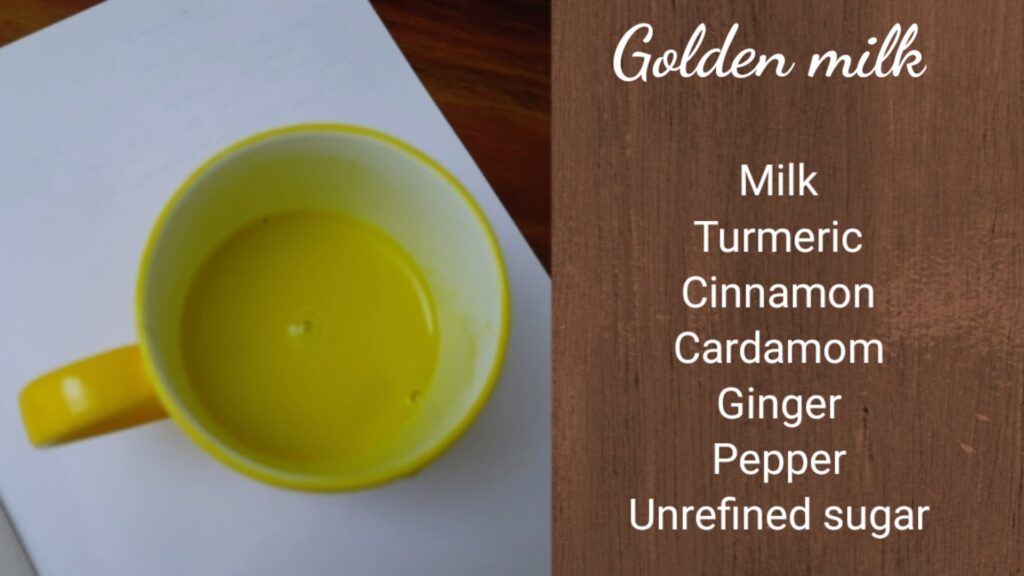
Golden milk
Here is a recipe for including turmeric in your diet!
Ingredients
- Milk 1 cup
- Turmeric 2 pinches
- Ginger(grated) 1 teaspoon
- Cardamom 1
- Cinnamon 1/8 of an inch
- Pepper A pinch
- Unrefined sugar / jaggery/ palm sugar
Method
Boil the milk for 5 minutes with all the spices. And finally add required sugar . Since curcumin and the essential oils in turmeric are fat soluble, it is prudent to use full fat milk. This increases the bioavailability.
In the beginning, it is highly likely that many would find the flavour of turmeric a bit overwhelming. A good idea is to start with one pinch of turmeric till you get used to the flavour.
Caution
Too much of any spice can irritate the stomach. Moreover, spices are meant to be taken in small quantities. One must always remember, even nectar can become a poison if eaten indiscriminately.
Takeaway
Along with modification in lifestyle and choice of food, including turmeric in our daily diet can work wonders.We have to make use of this natural , low cost, safe, highly effective and widely available spice for preventing diseases and healing our system.
References
- Roy S, Bagchi D, Raychaudhuri SP, editors. Chronic Inflammation : Molecular Pathophysiology, Nutritional and Therapeutic Interventions. Baton Rouge: Taylor & Francis Group; 2012.
- Farooqui T, Farooqui AA, editors. Curcumin for Neurological and Psychiatric Disorders : Neurochemical and Pharmacological Properties. San Diego: Elsevier Science & Technology; 2019.
- Watson RR, Preedy VR, editors. Bioactive Food As Dietary Interventions for Liver and Gastrointestinal Disease : Bioactive Foods in Chronic Disease States. San Diego: Elsevier Science & Technology; 2012.
- Hiraku Y, Kawanishi S, Ohshima H, editors. Cancer and Inflammation Mechanisms : Chemical, Biological, and Clinical Aspects. Somerset: John Wiley & Sons, Incorporated; 2014.
- Vollono L, Falconi M, Gaziano R, Iacovelli F, Dika E, Terracciano C, Bianchi L, Campione E. Potential of Curcumin in Skin Disorders. Nutrients. 2019 Sep 10;11(9):2169. doi: 10.3390/nu11092169. PMID: 31509968; PMCID: PMC6770633.
- Lini Alappat, Atif B Awad, Curcumin and obesity: evidence and mechanisms, Nutrition Reviews, Volume 68, Issue 12, 1 December 2010, Pages 729–738, https://doi.org/10.1111/j.1753-4887.2010.00341.