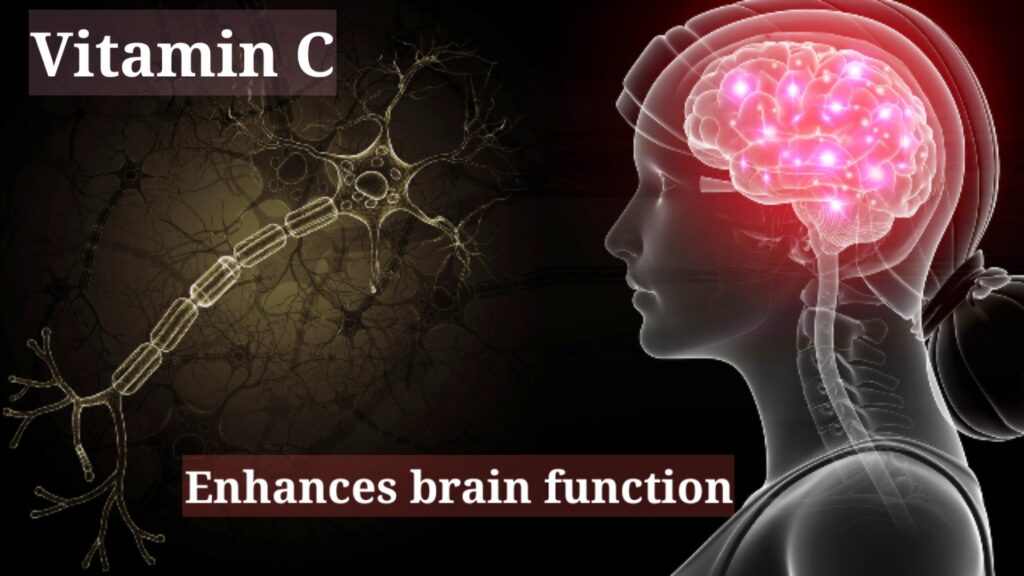
Did you know that brain and adrenal glands have the highest concentration of Vitamin C in the body? This can only mean that Vitamin C plays a significant role in the functioning of these two organs. Let us find out how does vitamin C enhance brain function!
Antioxidant role of vitamin C
The role of Vitamin C as an antioxidant is well-established. Vitamin C scavenges the free radicals generated in the brain and protects it from oxidative damage.
Oxidative stress is a significant cause of the development of many neurodegenerative diseases like Alzheimer’s disease Parkinson’s disease and Huntington disease and stroke.
Vitamin C also plays a key role in maintaining other antioxidants like vitamin E in the brain.
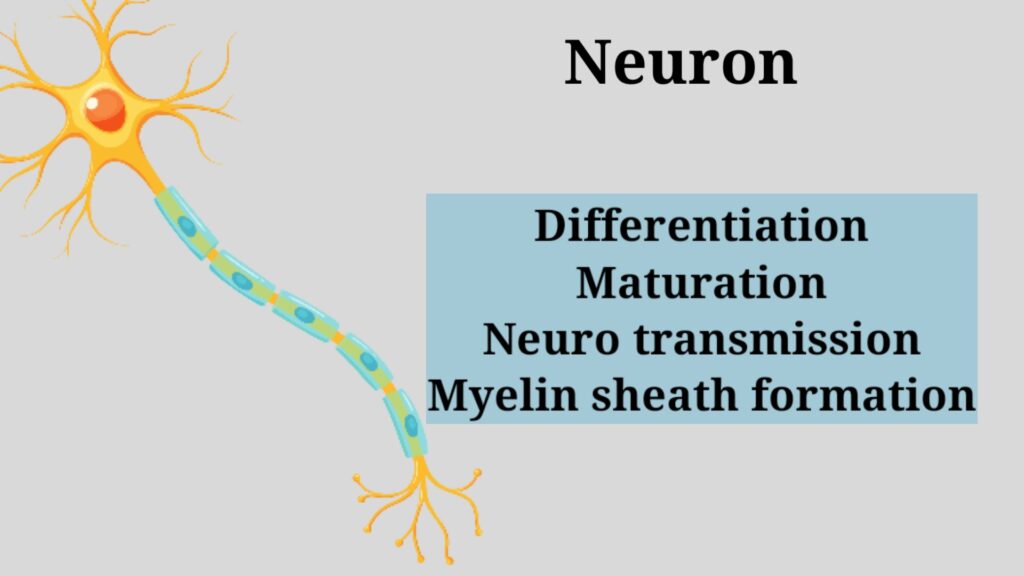
Maturation of brain cells
Many animal studies have concluded that vitamin C plays a role in the formation and maturation of neurons. It also plays a role in the formation of dendritic branches of neurons which is vital for processing the nerve signals.
Neurotransmission
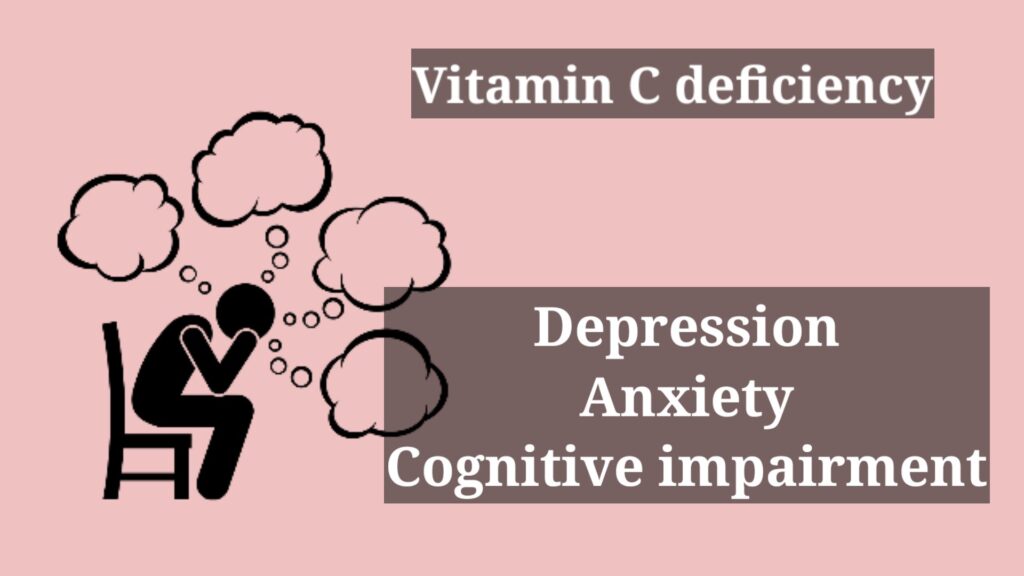
Norepinephrine formed in the adrenal glands acts as a hormone. In the brain, it is one of the six major neurotransmitters. It is responsible for alertness and wakefulness. The deficiency of norepinephrine results in depression and anxiety.
Vitamin C is a crucial factor for the formation of norepinephrine from dopamine. It also regulates neurotransmitters like acetylcholine and glutamine.
Deficiency of the neurotransmitter seratonin is implicated in depression. Vitamin C is required for the formation of serotonin from the amino acid tryptophan.
Myelin sheath formation in neurons
Myelin sheath is an insulating layer that surrounds the neurons. The sheath is important for the quick and effective transmission of neural signals between neurons. Any abnormalities in myelin sheath can result in dysregulation of information between the brain and the body and within the brain itself.
Collagen synthesis occurs in the brain as well. It is a key component for myelin formation. Vitamin C is required for collagen maturation. Collagen also maintains the integrity of the blood vessels in the brain.
Learning and memory
Decreased vitamin C levels lower BDNF (brain-derived neurotrophic factor) levels in the brain. BDNF is an important neuronal growth factor that promotes dendrite development and synaptic plasticity.
In studies done on mice, Vitamin C reversed memory deficits. It also reduced fear response and anxiety.
The anxiolytic effect of vitamin c is due to its role in regulating corticosteroid hormone and the neurotransmitters like serotonin, norepinephrine and dopamine.
Depression and cognitive impairment
Vitamin C prevents depression due to its antioxidant property, it’s role in synthesis of neurotransmitters and neuro modulation.
A biochemical study done in 2014 on elderly people after an acute illness showed a strong association between vitamin c depletion and increased symptoms of depression.
Also, Scurvy is a disease that occurs when our diet lack vitamin C completely for over a month. Depression and mental confusion are clinical symptoms of scurvy.
Although vitamin C deficiency to the extent of causing Scurvy is rare these days, deficiency to a moderate degree can exist in many. Long term mild deficiency in cortical and limbic systems of the brain can aggravate depression, mood disorders, and cognitive disabilities.
Takeaway
Our body cannot synthesize vitamin C. Hence, it is an essential micronutrient to take in our diet . Also, correcting Vitamin C levels is inexpensive and easy.
We should mentally check our dietary chart every day for adequate Vitamin C intake. This is even more important for people with increased Vitamin C demands like diabetes, smoking, pregnancy, lactation etc.
Vitamin C intake may be the easiest correctable reason for the mental fog and mild cognitive impairment most of us experience now and then.
What are the unique properties and substances that make honey a wonderful and unique wound healer? Let’s find out!
Honey has been used to heal wounds in most ancient systems of medicine. Now, honey has been reintroduced into modern medicine as a biologic wound dressing. It is now a component in ointment and dressings for wounds and burns.
Antibacterial property of honey
A wound is created due to disruption in the continuity of the skin. Bacteria can enter and multiply in the wound and interfere with the healing process.
Honey exhibits antibacterial activity against a broad spectrum of bacteria. It is even effective against many antibiotic-resistant bacteria like Staphylococcus aureus, E.coli etc. It can also act alongside antibiotics and enhance their effect.
Honey contains compounds like hydrogen peroxide, bee defensin peptide, and methylglyoxal. They exhibit bactericidal properties.
Due to its high sugar content, it has high osmolarity. Because of this property, honey can dehydrate bacteria and ultimately kill them. Its acidic pH also does not allow the bacteria to multiply.
Honey reduces bad odour in wounds
In long term non-healing and infected wounds, bacteria feed on the proteins in the dead tissue. This putrification process releases many compounds like amines, ammonia, and sulphur which cause malodor.
When honey is applied, bacteria start feeding on the sugar in honey and leave out the proteins in the dead tissue. This significantly reduces bad odour.
Acidifies the wound environment
Honey contains numerous organic acids. It lowers the pH of the wound site and makes it acidic. This activates macrophages, limits bacterial growth, and neutralizes ammonia produced by bacteria which could damage tissues. Acidic pH also facilitates the release of oxygen from haemoglobin.
Honey neutralizes free radicals
The reactive oxygen species and reactive nitrogen species (free radicals) present in the wound are released by the white blood cells as a defence mechanism to kill microorganisms.
Long term presence of these molecules can cause damage to the tissues. They can delay the healing process and can induce hypertrophic scar formation.
Honey is loaded with antioxidants. Flavonoids, phenolic acids, tocopherols, ascorbic acid and certain enzymes are the antioxidants in honey. They counter these free radicals, promote healing and minimize scarring.
Anti inflammatory role
Inflammation is a necessary defence to counteract any toxic stimuli which can damage our system.
Long term inflammatory response can cause problems for wound resolution. Honey intervenes with the production of the compound prostaglandin, which mediates inflammatory response. This reduces swelling and pain.
Promotes formation of new blood vessels
Angiogenesis is the formation of new blood vessels. This occurs during the wound healing process to supply the required oxygen and nutrients for healing.
Hydrogen peroxide forms in honey when the enzyme glucose oxidase breaks down glucose. Hydrogen peroxide recruits white blood cells to the wound site and some of the white blood cells release a substance called a vascular endothelial growth factor. This substance stimulates angiogenesis.
Wound debridement
Honey debrides the wound and promotes a healthy wound bed. Due to its high osmolarity, it draws out excess fluid from the wound. This eases the healing process.
At the same time, since it is fluid, it provides a moist healing environment. This enhances angiogenesis and collagen synthesis.
Also, the moist healing environment helps in the easier migration of cells and growth factors for faster healing.
Boosts immunity
And finally, honey increases our body’s immune response to infection. It stimulates B lymphocytes, T lymphocytes, and monocytes to secrete various chemicals and antibodies.
Honey is a highly nutritious natural food. It treats and prevents many diseases. It has been used in the traditional systems of medicine for millenniums. Let’s find out what science has documented about its nutrient content and why honey is a functional food.
What makes honey a functional food?
By definition, a functional food is one which contributes positively to health in addition to providing essential nutrients.
Honey boosts our immune system, energy level and promotes longevity. It has more than 180 micro, macronutrients and bioactive molecules. Other than this, it has many unique physicochemical properties.
Bees take nectar and pollen grain from flowers. While nectar is used to make honey, pollen is used as a protein-energy source.
When the bees process the nectar, they also add certain beneficial substances. This makes the honey nutritionally superior.
The composition of honey varies according to the predominant flowers in the area from which the bees get the nectar.
Water content in honey
Honey is a thick, sticky fluid. Ripe or mature honey contains only 15 to 19% water. Let’s see how the bees concentrate the nectar which has a water content of 70 to 80%.
The foraging bees collect the nectar from flowers and place it in their honey stomach. The nectar is partially digested in the stomach. After the bee returns to the hive it transfers the nectar to the hive bees.
The hive bees work together passing the nectar from one bee to another while continuously digesting and reducing the water content. The honey is then placed in the honeycomb cells. This is still high in water content.
The bees work continuously fluttering their wings to circulate air and evaporate water from the honey. When the water content reduces by nearly 18%, the bees seal the cells with wax. The honey now inside the sealed cells is ripe or mature honey.
Since it is now a concentrated sugar solution it has high osmolarity. Due to this property, it can suck water from bacteria, dehydrate, and eventually kill them. This is one of the reasons why bacteria cannot multiply in pure honey.
Due to its high sugar saturation, honey is hygroscopic. It means, it can absorb water from the atmosphere just like table salt and table sugar.
Because of this, honey should be stored in airtight containers and should not be left open for long. Otherwise, it can absorb moisture leading to fermentation and spoilage.
Yeast spores are present in raw honey. They become active when the water content increases.
Activated yeast ferment the sugars in honey forming ethyl alcohol and carbon dioxide. Ethyl alcohol breaks down further forming acetic acid. As a result, honey tastes sour.
Sugar content in honey
Nearly 77 to 80% of honey is sugar and there are nearly 25 different kinds of sugar. The main sugars present in honey are the monosaccharides, fructose and glucose. Sucrose, a disaccharide is also is present in a smaller quantity. Up to 10% oligosaccharides may be present depending on the type of honey.
Our digestive system cannot digest the oligosaccharides. So, they become food for the bacteria in the colon. These bacteria ferment the indigestible sugars and multiply. Since honey increases health-promoting gut bacteria, it is a prebiotic food.
Amino acids
All essential and most non essential amino acids are present in honey and proline is the predominant amino acid in honey. Proline also happens to be one of the most abundant amino acids present in collagen.
Enzymes
There are many enzymes like diastase (converts starch to maltose), invertase (converts sucrose to glucose and fructose) and glucose oxidase.
The enzyme glucose oxidase converts glucose to hydrogen peroxide and gluconic acid. Apart from having antibacterial properties, hydrogen peroxide is also a signalling molecule for the wound healing process.
These enzymes are sensitive to heat. High temperatures destroy the enzymes.
Acids in honey
The pH of honey is 3.3 to 4.6. The acidic pH is due to the presence of numerous organic acids. This is why it stings when honey is applied to wounds.
The main acid present in honey is gluconic acid. It forms during the oxidation of glucose. There are numerous acids present in honey-like formic acid, acetic acid, citric acid, lactic acid, malic acid, oxalic acid, succinic acid, etc.
There are several flavonoids and phenolic acids present in honey which are potent antioxidants that protect us from free radical damage. These are the main compounds that make honey a functional food.
Honey contains phenolic compounds quercetin, galangin, kaempferol, luteolin, phenolic acid, gallic acid, cinnamic acid, etc. They are powerful antioxidants, anti-inflammatory and anti-cancer agents.
Pinocembrin is a flavonoid unique to honey and a few plant sources like ginger and marjoram. It modulates many cellular functions and can even cross the blood-brain barrier.
It is a potent anti inflammatory and studies have proven the benefits of pinocembrin in preventing cardiovascular disease and brain degeneration.
Heat destroys many of these flavonoids. So, it is not a good idea to add honey to boiling water or to cook honey.
Vitamins and minerals
Although present in very minute quantities, honey also contains vitamins like riboflavin, niacin,folic acid, pantothenic acid and vitamin C.
Minerals like calcium iron, zinc, potassium, chromium, manganese and selenium are also present.
Discussion
Honey should not be stored in places receiving direct sunlight and fluctuating temperatures. It should be stored in a cool dark place.
Also, it is best to consume it as fresh as possible and not store it for long. Although honey may not spoil when stored under proper conditions, it will lose many of its unique functional qualities if stored for a long time.
Most of us have a hard task to complete one time or the other. Here are a few tips to focus on hard tasks.
Projects that require deep engagement, abstract or critical thinking, making connections, analysing information and drawing conclusions are generally considered hard tasks.
Smith and Stein 1998
Hard tasks
Writing a scientific article
Solving a scientific problem
Designing an experiment
Writing a thesis, etc.
All these are tasks requiring a lot of mental energy, focus, and time. Even if we are eager and deeply interested, these tasks can create anxiety and stress. This is because of the complexity and slow progress of the projects. We also tend to procrastinate due to this.
Not only that, we tend to indulge in easier tasks for that instant gratification and get distracted in the process.
Create mental space
Our working memory is limited. It is better not to engage in tasks that also require working memory just before starting our specific hard task. This can lead to a working memory deficit. You might have to shut down, allow some time and restart your brain for a fresher and cleaner mental space.
Create larger time blocks for hard tasks
You have to create time blocks and the time blocks have to be large enough. The time should be used only for your hard task. This is because you will require time to settle down, analyse, focus and then start to work.
Be consistent
Do it every day. If you are not in the mood to do deep work, use the specific time block to do mundane tasks related to your major task. eg organising papers, checking typos, etc.
Reserve a place and time for the task
Every day engage in the task in a specific place during a specific time. When we engage in a task consistently in the same place and time, it aids in setting the tone for immersing in the work. We tend to remember and recall the work progress better in the presence of familiar sights and sounds.
Do not multitask
It is an established scientific fact that switching between tasks decreases work efficiency. We are sharing the limited working memory space when we multitask. This can decrease your mental energy and tire you easily.
Also, remove any potential distractions completely. When there are no distractions you go into a state of flow easily and accomplish more.
Take breaks
Cognitively demanding tasks require frequent breaks to replenish mental fuel and prevent burnout. If you are not progressing at all, take a break for a few days. This can bring in newer concepts and perspectives.
Socialize with people
When we socialize, our memory, skills, and strategies improve. We become more competent. Interacting with people of diverse backgrounds can bring in new perspectives and transform your thought process.
Take away
For consistent progress, we have to find our energy leaks and ways to improve focus. It may not be easy, but with consistent time and energy, we will be able to progress remarkably to the finishing point.
Vitamin C is not produced in our body and hence is an essential dietary micronutrient. WHO specifies a certain dose of Vitamin C as recommended daily allowance. But certain conditions require more than usual doses of Vitamin C. Let’s explore!
Functions of vitamin C
Vitamin C is crucial for collagen synthesis in our body. Collagen is the backbone protein of bones, tendons, cartilages, skin, teeth, etc.
Also, Vitamin C is a potent antioxidant that protects the important biomolecules in our cells like proteins, lipids, carbohydrates, and nucleic acids.
More importantly, Vitamin C contributes to our body’s immune system. It facilitates the movement of the immune cells to the site of infection, enhances the killing of microorganisms, and increases antibody levels.
In the brain, vitamin C is involved in the formation of certain neurotransmitters, in the process of neurotransmission and neuromodulation. It is involved in cognition and mood stability.
Furthermore, Vitamin C has an important role in hormonal regulation, generation of metabolic energy, gene transcription and epigenetic regulation.
Vitamin C is stored in the brain, adrenal glands, liver, and lungs.
Deficiency of vitamin C
Scurvy is a disease that occurs when our diet lacks vitamin C for over a month. Poor wound healing, susceptibility to fatal infections, severe bleeding are the classic features. All these occur due to severely impaired immunity and weakened collagen structures.
Mild to moderate deficiency can make you more prone to respiratory tract infections and delay wound healing.
Dosage
While the requirement of Vitamin C for preventing Scurvy is as little as ~ 10 mg per day, our recommended daily requirement is 75 mg for women and 90 for men.
100 to 400 mg per day of Vitamin C saturates the plasma in healthy individuals. This is enough to reduce the risk of chronic diseases.
At the same time, certain conditions require more than usual doses of vitamin C in our daily diet.
Smoking and Vitamin C
Tobacco smoke consists of ~4700 toxic compounds. The smoke deposits these toxic compounds when it passes in and out of the alveoli
Tobacco smoking also increases the risk of bacterial and viral infections. Both active and passive smokers require an additional dose of ~ 35 mg per day to fight against the oxidants.
Post surgery wound healing and vitamin C
In postoperative patients, administration of ~ 500 mg of Vitamin C per day has shown to decrease the wound healing time.
Vitamin C also enhances wound healing by helping in the migration of neutrophils to the wound site. The neutrophils sterilize the wound by releasing reactive oxygen species and antimicrobial proteins.
Once the action is completed, macrophages clear up the neutrophils (a process called phagocytosis) and the wound heals.
When there is a deficiency of Vitamin C, macrophages do not clear the dying neutrophils. The dead cells persist and the wound does not heal.
Old age and Vitamin C
Elderly people (>60 years of age) generally have decreased immune function. Decreased immunosurveillance in ageing is why elders end up with infections often.
If proper care is not given, any infection can progress to sepsis. Vitamin C is one of the factors to prevent sepsis and cancer incidence.
Age-related chronic diseases increase oxidative stress. Due to this, the dietary requirement for antioxidants increases.
Diabetes
It is a fact that diabetes patients are prone to infections and many other morbid diseases.
Elevated blood sugar levels and associated persistent low-grade inflammation result in high-level oxidative stress. This increased utilization depletes vitamin C in the cells. The higher glucose level in the blood also prevents the entry of vitamin C into the cells.
Studies show vitamin C supplements of 1000 mg per day can reduce the risk of infection, control oxidative damage, and may also play a role in controlling high blood sugar levels.
Air pollution
People living in highly polluted cities and working in industries, automobile workshops, construction sites, etc are continuously exposed to toxins.
The body uses up the reserve anti-oxidant defence mechanisms in the airway lining. As a result, the respiratory system loses the oxidant-antioxidant balance and is in a constant state of oxidative stress.
Respiratory infections
Neutrophils are our body’s first line of defence cells. They are the first to enter the sites of infection. During severe infection, neutrophils become paralyzed and are unable to get to the site of infection.
One possible cause for this is the depletion of Vitamin C in our body which occurs during infection. Boosting up vitamin C content in the neutrophils can make them active again.
White blood cells (monocytes, eosinophils) release histamine in response to microorganisms, allergens and stress. It is the chemical responsible for the classic flu symptoms like runny nose and eyes, sneezing, etc.
Vitamin C helps in controlling these symptoms. Studies confirm the fact that vitamin C counteracts histamine (just like the antihistamine pills we pop up).
Athletes
People who undergo rigorous physical training like athletes, military people, professional dancers, wrestlers, etc are likely to suffer from tissue damage and inflammation. The body is under heavy physiological stress.
It is important to maintain adequate vitamin C reserve in the body tissues to combat free radical damage and maintain muscle performance.
Takeaway
More than 1000 mg, as a single dose, decreases the bioavailability by 30%. Not only that, it produces gastrointestinal disturbance and carries the risk of kidney stone formation.
A well-nourished person does not require vitamin C supplements. It is easy to get 100 – 400 mg a day through diet. This amount saturates all the tissues and is 100% biologically available. This also prevents the occurrence of many conditions which require more than usual doses of Vitamin C.
Always check whether you got an adequate dose of Vitamin C every day!
References
Carr, Anitra C, and Silvia Maggini. “Vitamin C and Immune Function.” Nutrients vol. 9,11 1211. 3 Nov. 2017, doi:10.3390/nu9111211
You may think you have many skills relevant for your profession and how does it matter whether you write by hand or type and your handwriting is good or bad. Let’s find out!.
Is good handwriting not necessary in this digital era? Even during the non-digital era, Mahatma Gandhi thought so, too.
I do not know whence I got the notion that good handwriting was not a necessary part of education, but I retained it until I went to England. When later, especially in South Africa, I saw the beautiful handwriting of lawyers and young men born and educated in South Africa, I was ashamed of myself and repented of my neglect. I saw that bad handwriting should be regarded as a sign of an imperfect education.
Mahatma Gandhi
why is handwriting important?
Handwriting as a skill is not assessed separately in schools. But, you will be judged throughout life for your handwriting.
It is one skill that travels with you lifelong which reflects your creativity, personality and individuality.
Even unbiased teachers, tend to give better grades for good handwriting for these simple reasons: it is easy to read, does not stress their mind as bad handwriting does.
Reasons why a person’s hand writing is bad
A child may experience difficulties due to lack of fine motor control, lack of sensorimotor integration, lack of visual memory, and lower attention span.
They may occur due to developmental disorders. Most of these problems may be correctable when promptly addressed if the spectrum of the disorders is in the lower range.
Fundamental factors like sitting position, chair and desk height, writing instrument, environmental lighting and noise all matter.
When you sit to write, your feet should be flat on the floor, hip and lower back supported well. The thighs should be parallel to the floor, elbows slightly flexed and forearm placed on the table.
Is it worthwhile to make an effort to improve handwriting?
It is totally worth! A skill practised everyday results in millions of new neural connections. This phenomenon is called neuroplasticity.
Writing by hand activates many parts of your brain involved in fine motor control, memory, and attention. It helps in better understanding of concepts during learning and enhances composition writing skills.
Not only that, this will also produce a spill over effect. It means when we attempt to improve a skill in one area , it can influence other skills as well.
What happens when we write with our hand?
Sensory nerves take information from the sense organs to the brain. In the case of writing, the sense of touch, vision and proprioception (ability to discriminate position of body parts) are involved. If you are taking notes in a lecture class, your auditory pathway are involved , too.
These informations are collectively processed in the brain and motor planning is done. After the planning process, orders pass through motor nerves for execution. All these sensory motor integration occurs in great speed involving many areas of brain.
Moreover, more complex neural networks are formed due to the involvement of fine hand movements, coordination of visual and motor pathways, and kinesthetic feedback. All these do not occur when a person takes notes by pressing keyboard buttons.
In an EEG study, Eva Askvik et al compared brain activity during handwriting/ drawing and typing. Since, both handwriting and drawing are more complex tasks, as expected, the study showed the involvement of deeper areas like the hippocampus and limbic system and the parietal and occipital regions.
Practising handwriting every day, like any other motor task, can bring functional and structural reorganization of the brain.
How can adults improve the handwriting?
Now that journaling every day has become widespread, there is still scope to improve our handwriting. We can pen down thoughts while simultaneously improving our handwriting.
As an adult, when you improve your handwriting through mindful everyday practice, it can lead to self-appreciation. After all, who doesn’t like to look at their own beautiful handwriting everyday?
What if your handwriting is already beautiful?
There is still scope. One can try and improve the handwriting using the non-dominant hand. According to a study, deliberate practice using non-dominant hands (left hand for most of us) for as little as less < 200 minutes (spread over some time) significantly improves the quality of your non-dominant handwriting and dexterity of both hands.
It is because this practice increases the functional connectivity between both left and right sensorimotor areas and centre for manual praxis.
Manual praxis is the skilful use of hands for writing, playing instruments and using tools, etc. The centre for manual praxis is on the left side of the brain mostly. This is why most of us are right-handed.
Again, this can be practised by writing to-do lists and shopping lists in our non-dominant hands. In the beginning, your strokes will be jerky and the writing will be illegible. But, you will be surprised at the rate of improvement.
Take away
Let us write every day to improve what may be lacking in our handwriting like legibility, speed or esthetics and rewire our brain. Happy writing!
James, K.. “The Importance of Handwriting Experience on the Development of the Literate Brain.” Current Directions in Psychological Science 26 (2017): 502 – 508.doi.org/10.1177/0963721417709821
Kroliczak, Gregory & Buchwald, Mikołaj & Kleka, Paweł & Klichowski, Michal & Potok, Weronika & Nowik, Agnieszka & Randerath, Jennifer & Piper, Brian. (2021). Manual praxis and language-production networks, and their links to handedness.https://doi.org/10.1016/j.cortex.2021.03.022
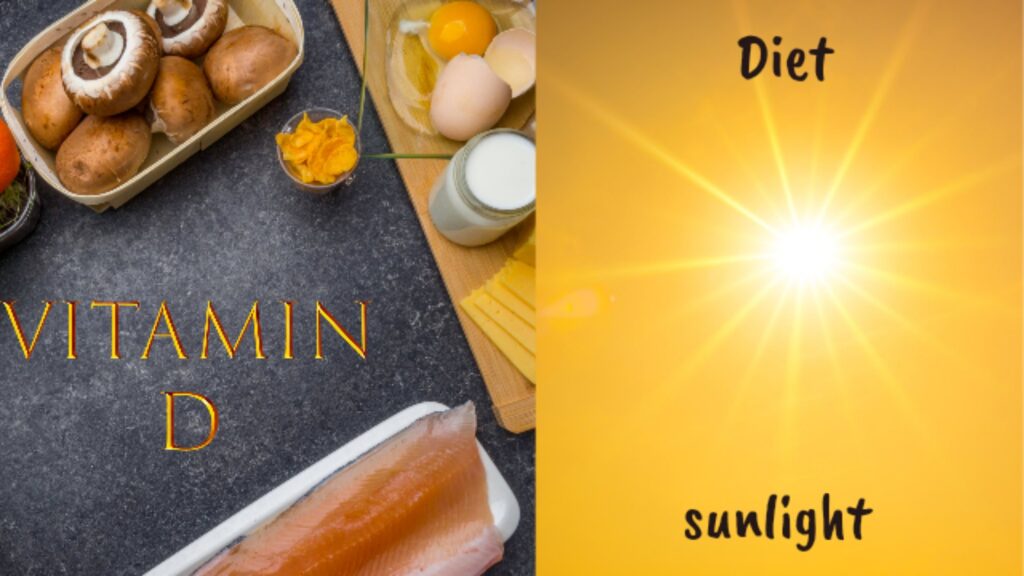
Vitamin D plays a crucial role in calcium homeostasis, immunity, cancer prevention, lung health, sleep, mental health, control of diabetes and pain prevention. Let’s see how to get it adequately from our diet and through sunlight exposure.
When ultraviolet B rays from the sun fall on our skin, the compound 7 dehydro cholesterol in the skin gets converted to pre vitamin D3.
The previtamin D3 enters the blood circulation , reaches the liver to become Calcidiol. This again leaves the liver, enters the kidneys to become calcitriol, the metabolically active hormone vitamin D3.
Dietary sources of vitamin D
Vitamin D is a fat soluble vitamin. Major dietary source of vitamin D is animal and animal products, and mushroom. Negligible amount of vitamin D is present in vegan sources.
Egg
Vitamin D is present only in the yolk of an egg. Yolk of one large egg contains upto 40 IU . Whereas, RDA for an adult is 600 IU per day. You may have to eat around 15 yolk to achieve the target!
Milk
1 cup of whole milk (3.25 – 4.50 % of fat) may contain upto 120 IU of Vitamin D. Skimmed milk has negligible or no vitamin D at all.
Cod liver oil
It is the oil obtained from the liver of Cod fish. It is a good source of vitamin D. In addition to this, it also contains Omega 3 fatty acids and vitamin A. 1 teaspoon of cod liver oil contains 400 – 450 IU of vitamin D.
Mushroom
Mushrooms are the only known non – animal vitamin D rich food.When the sun’s rays fall on mushrooms, the compound ergosterol, present in their cell walls is converted to Vitamin D2 called ergocalciferol.
Wild mushrooms contain good amount of vitamin D2. Some wild mushrooms harvested in summer contain upto 1200 IU per 100 grams.This is due to exposure to sunlight in their natural environment.
On the other hand, commonly marketed button mushrooms, oyster mushrooms and shitake mushrooms have only a moderate amount of Vitamin D (40 IU /100gram)
This is because fresh mushrooms available in the market are usually grown in darkness and are exposed to light only during harvest.
Exposing mushrooms deliberately to midday sunlight, (when UV B rays are present) for about 15 – 120 minutes, considerably increases D2 content upto 400 IU per 100 grams (fresh weight).
Not only that, slicing the mushrooms to increase the surface area before sun drying for 60 minutes , increases the vitamin content substantially upto 1300 IU /100 g.
Fish
Fatty sea fish, in particular, wild salmon has high content of upto 1200 IU per 100 gram. But, salmon fish grown in farm has less than 25 % vit D content of wild salmon. Other fish such as cod, sardine, mackerel are moderate to good source of vit D ( 300 IU /100g )
Fortified food
Many western countries fortify food items like milk, yogurt, margarine, breakfast cereals and orange juice with vit D to compensate for the insufficient dietary intake.
Skin as a source of vitamin D
Skin is the major source of vit D because it can produce it in large amounts when compared to any dietary source.
Sunlight
Skin is the largest organ of our body designated to produce Vit D on exposure to sunlight.
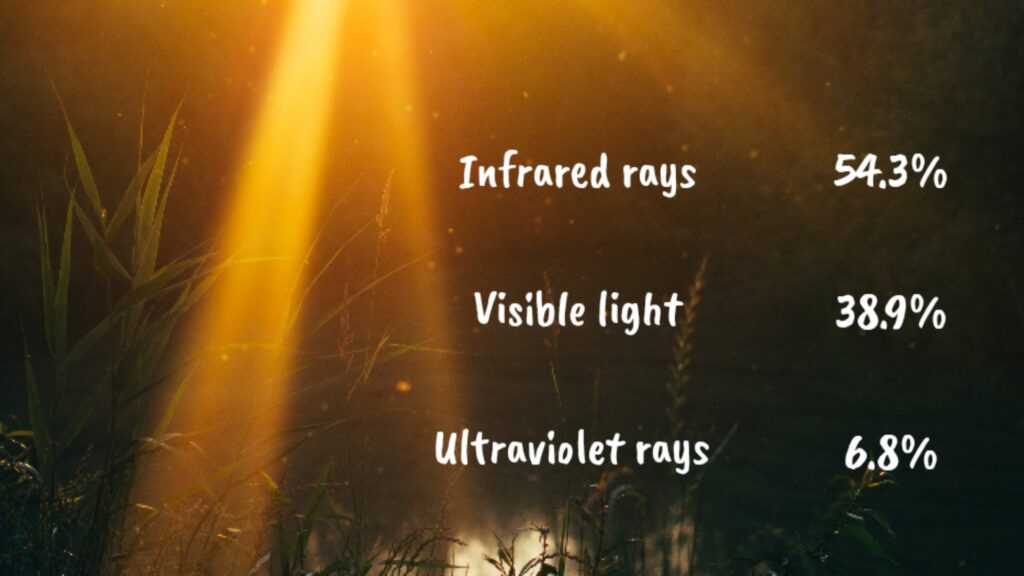
Sun’s rays contain
ultraviolet rays
Visible light
Infrared rays
Ultraviolet rays
Ultraviolet rays have lower wavelength than visible light. They are high energy photons. There are three types of ultraviolet rays.
UV A
315 – 400 nm
UV B
280 – 315 nm
UV C
280 – 100 nm
UV rays
UV C is completely absorbed by the ozone layer and does not reach the earth at all. 0nly ultraviolet A and B rays reach the earth surface. Out of the two, ultraviolet B rays have shorter wavelength (290 – 320 nm) and only these photons are responsible for converting 7 – dehydro cholesterol in the skin to pre vitamin D3.
Reasons for Vitamin D deficiency
Obesity
Since Vit D is a fat soluble vitamin, in obese people, it is stored and gets well organized in the fat tissue. As a result, little or no vitamin D is available in the circulation.
Sun avoidance
Many of us in general have sun avoidance behavior. We avoid going out in the sun citing many reasons like heat, sweat, pollution, skin care and migraine.
Though all these are valid points to a certain extent, it can lead to many negative health outcomes in the long run.
Sun screen
Fear of skin cancer and photo ageing is the reason for extensive use of sunscreen lotions. Sunscreens with SPF 30 absorbs almost 98% of the ultraviolet rays.
Skin colour / ethnicity
People living in the tropics are constantly exposed to sunlight and their dark skin colour is due to melanin pigmentation. It is a natural sunscreen that protects our skin by absorbing wide spectrum of radiation.
It effectively absorbs ultraviolet B radiation too. Hence, Asians and Africans need 5 to 10 times more sun exposure than caucasians for adequate vit D synthesis.
Human beings evolved around equator. Their migration towards north and south pole, where sunlight is limited, resulted in natural reduction of melanin pigmentation. This reduction permits more ultraviolet B rays to enter the epidermal cells.This is how efficiently our body evolves according to functional requirements!!!
Time of exposure
99% of UV B rays are absorbed by the ozone layer before it reaches the earth. The remaining 1% ultraviolet B rays reach the earth’s surface only when the sun is directly overhead or when the solar zenith angle is zero or lesser. This occurs from 10 00 am – to 3 00 pm. (between 1100 am and 2 00 pm in particular) It is important to be outdoors in the sun during this time for sometime every day.
In the mornings and evenings, due to more oblique zenith angle, the path taken by ultraviolet B rays is longer and hence very few UV B photons reach the earth. So, exposing our skin to morning and evening sun rays may be beneficial in other ways, but you may not produce enough Vit D.
Sunrays stimulate skin cells to produce beta endorphin ( a feel good hormone) and nitric oxide ( improves blood flow)
Other beneficial effects of sunlight
Geographic location
Latitude
In countries above and below 33 degree latitude, due to more oblique Zenith angle , people do not get ultraviolet exposure during winter. Far north (eg Northern Canada) and far south (eg southern Argentina) countries do not get UV B rays for six months of the year and hence no vit D synthesis occur.
Altitude
Places in higher altitude ( eg Mt Everest base 5300 metres above sea level ) receive more UV B rays because of shorter path length.
Climate and pollution
Lesser ultraviolet B rays reach the skin during cloudy and rainy days.
Air polluted with nitrous oxide and Sulphur dioxide absorb UV B rays.So less photons are available for skin synthesis.
Age
Above 60 years of age, the skin becomes thin and the skins’s ability to produce vit D decreases drastically. In addition to this, if aged people are confined in homes without exposure to sunlight, the deficiency becomes severe.
Vegan diet
Vegans are at increased risk of developing deficiency due to the fact that they do not eat meat as well as animal products such as eggs, milk, cod liver oil etc
Barriers
Clothes, glass and plastic absorb ultraviolet rays and your skin cannot make vit D even though you feel the heat of the sun through these barriers.
Gastrointestinal disorders
In conditions like inflammatory bowel disease, malabsorption deficiency occurs as adequate absorbtion does not happen in the intestines.
Liver and kidney disorders
Liver disorders and chronic kidney diseases lead to deficiency. This is because both pre Vit D3 formed in the skin and dietary vit D pass through two steps. First in the liver, it is converted to storage form and then in the Kidneys into the active hormone form.
How much sun exposure is required?
This depends on the skin type , UV B index (should be >3) in the particular region and the percentage of exposed body parts.
Low
< 2
Moderate
3 – 5
High
6 – 7
Very high
8 – 10
Extreme
11 +
UV INDEX
Skin type
Type I
Very fair
Type II
Fair
Type III
Creamy
Type IV
Brown
Type V
Dark brown
Type VI
Black brown
Fitzpatrick skin photo type
Minimal erythemal dose is the amount of sunlight required to cause mild redness in the skin.
A fair skinned (skin Type I and II) person in a swimsuit, under mid summer sun can produce upto 15000 – 20000 IU with 1 MED. If this occurs in 5 minutes in a white skin, it may take around 30 – 40 minutes in a dark skin (Type V and VI).
In tropical countries, the UV index is high throughout the year. But, factors like skin colour and modest clothing call for more exposure time.
Sensible sun exposure
It is a proven fact UV A and UV B rays cause premature aging, wrinkles, sunburn, suntan, and skin cancer. At the same time, we require adequate sun exposure for vit D synthesis and other benefits.
General recommendations state that with 18 percent body parts exposed and in one third of MED, our skin can make adequate Vitamin D for a day. MED depends on skin colour and the UV B index.
Knowledge about our skin type, geographical location and uv b index of the day (available from weather reporting apps) is essential for calculating the period of exposure.
Can too much of sun exposure cause vitamin D toxicity?
It does not cause toxicity. Excess previtamin D3 formed is converted to two photo products.
Lumisterol
Tachysterol
These compounds are not mere inactive byproducts .They have beneficial effects like regulating skin cell growth, preventing formation of cancer cells in the skin and anti proliferation activity (favorable for psoriasis).
Takeaway
Now that we know the extra roles of vitamin D other than maintaining bone health in our body, it is prudent to maintain adequate levels for our mental and physical well being.
Generally, our diets lack adequate Vitamin D due to the fact that very few food sources contain it. Having that in mind , it is wiser to get adequate vitamin D through sensible sun exposure which has many other proven health benefits other than providing Vitamin D.
Mango, a large evergreen tree (mangifera indica) is a native of the Indian subcontinent. It now grows in many parts of the world. The fruit, leaves and the bark of mango tree all have nutraceutical properties. Let’s explore its exceptional nutritional aspects.
The moment you spot a mango on a tree, you know summer has arrived. Mangoes, like jasmine flowers, is a quintessential Indian summer flavour.
Unripe mango
Unripe ones are sour due to the presence of many organic acids like citric acid, glycolic acid, malic acid, tartaric acid and oxalic acids. It is rich in vitamin C and can contain up to 80 mg / 100g .
They contain starch and structural carbohydrates (fibres) like pectin and cellulose.
Unripe mango is used for making pickles and chutneys. Mango sprinkled with salt and chilli powder is a tangy summer snack across the Indian sub continent.
Pickling
Like the kimchi making process in Korea, making mango pickle in India during summer is an annual fare. This is the time when the senior ladies of the household become busy getting the spices ready and sterilizing the jars. They go into “a meditative mode” during the pickling process as much devotion and precautions go into it. Children are not allowed to play in the area. Wet hands and even the sound of dripping water is enough to put the ladies on a “hypervigilant mode”.
Mature, unripe green mangoes, salt, spices and oil are used for making traditional pickle. The mangoes are cut into smaller pieces of precise size and shape with dry and clean hands.
They are placed in a jar and mixed generouly with salt. The mixture is dried under the sun for a week or so, carefully covered with plain white cloth (Usually with old dhoties preserved for this purpose). Spices are added to the glass jar and a layer of oil is added to it .
During the pickling process, controlled fermentation occurs. Oil and salt prevent unwanted bacteria from multiplying . Fermentation makes the pickle acidic and does not allow the bad bacteria to thrive.
What happens during the ripening process?
Mango is a climacteric fruit. It means, it continues to ripen even after plucking from the tree like bananas. It emits ethylene gas during the process. So, if you want the mangoes to ripen quickly, all you have to do is to put them in a closed container to concentrate the gas.
During ripening, acid content reduces and the starch converts to sucrose, glucose fructose. A fully ripe mango is thus very sweet to taste. Pectin content decreases considerably.
The vitamin C content decreases relatively, but there is a significant increase in provitamin A , moderate increase of Vitamin B1 and B2 and vitamin E.
Ripe mango
The unique peachy flavour of a ripe mango is due to the lactones. Organic acids, monoterpenes, carbohydrates, fatty acids also contribute to the flavour.
Mangoes contain substantial amount of bioactive polyphenols which are responsible for the antioxidant properties of the fruit.
Mangiferin, the hallmark polyphenol present in mango, is a potent antioxidant and an immune modulator. It act as a cardiotonic, heals wounds and prevents tissue degeneration. It protects the gastric mucosal lining and prevents ulcers.
The colour is due to the presence of pigments like chlorophyll, carotenes, anthocyanins and xanthophylls.
Mangoes are rich in pro vitamin A carotenoids like beta-carotene and beta cryptoxanthin. Apart from these, there are other carotenoids like lutein and lycopene. They play a vital role in preventing macular degeneration.Macula is an area in the central retina responsible for sharp and clear vision. They also have anti cancer properties.
Carotenoids are major defense systems of the skin. They are absorbed in the intestine and reach the outer layer of the skin via blood circulation and sweat glands. These carotenoids protect the skin from the assaults of UV radiation and pollutants . Skin with less carotene content tends to age faster.
Despite the decrease in vitamin C content during ripening process, they are good sources of vitamin C ( 40mg/100g ). So, one medium sized mango can satisfy a day’s requirement.
Men
90mg
Women
75mg
Recommended daily dosage of vitamin C
They are excellent sources of pro vitamin A . Vitamin E and K are present in minor quantities. All three vitamins have antioxidant properties.
Mangoes are good source of the water soluble B vitamin folate. Adequate intake of folate is necessary before and during pregnancy to prevent neural tube defect in the child.
Mango leaves
In traditional Indian medicine, mango leaves are used for its antibacterial, antidiarrheal and wound healing properties. The leaves are always a part of Indian religious rituals and decoration during festivals.
What has science discovered about the leaves ?
The prime bioactive molecules of mango leaves are mangiferin, benzophenones,quercetin, flavonoids, phenolic acids and ascorbic acid.
Studies have confirmed the antidiabetic potential of mango leaves. Extract of mango leaves control blood sugar level by various mechanisms like preventing pancreatic damage, increasing glucose uptake by the cells, and blocking certain enzymes responsible for increasing the blood glucose level during carbohydrate digestion.
The leaves also possess excellent antioxidant, anti-inflammatory, anti obesity, anti viral and anti tumor properties.
Furthermore, mangiferin offers neuroprotection and significantly improves memory and learning. It also calms the mind.
Mango leaf extract also increases sports performance by improving brain oxygenation and muscle oxygenation. It decreases lactic acid formation in the muscles, decreases fatigue and exhaustion.
Mango leaf tea
Crush or cut fresh mango leaves, add to boiling water and let it simmer for 5 minutes. Refreshing mango leaf tea is ready!
Can diabetic patients eat mangoes?
Come summer, this is the question which occupies everyone’s thoughts. The glycemic index of mango is ~ 56. Glycemic index is number which indicates how much a carbohydrate rich food can increase your blood sugar level. High glycemic index means it increases the blood sugar level rapidly.
Controlling spikes in blood sugar level is important for both diabetic patients and for those who do not wish to become diabetic.
Low
1 – 55
Moderate
56 – 69
High
>70
Glycemic index
Mango has a glycemic index of 56. Even though a ripe mango contains sugar, it also contains moderate amount of dietary fibre which helps in controlling the spike in blood sugar. And hence, can be consumed moderately by diabetic patients.Since it is loaded with antioxidants and vitamins, it helps to control chronic inflammation prevalent in diabetic patients.
It is a good idea to eat mango as a part of your meal along with low glycemic food like green leafy vegetables and protein rich lentils and pulses. Fibre and protein regulate the absorption of sugar in the gut . This helps in controlling the blood sugar spike and the immediate drop in blood sugar levels.
Alternatively, one can have unripe mangoes which have much lower glycemic index or fibre rich mango varieties.
Yet another idea would be to consume mango leaf tea along as it known for its profound, scientifically proven, anti diabetic effect.
To enjoy guilt free eating of this calming, nourishing and cooling fruit, we can make ourselves worthy of it by improving our physical activity level and by restricting other simple carbohydrates in our diet. The point is not to miss eating these nutritious nature’s treat. Eating in moderation is the key.
The takeaway
On the whole, mango, a dessert by itself is a wonderful concoction of polyphenols,flavonoids and multiple vitamins. Everybody likes mango because of its sweetness, flavour and texture (And in that order!). Once you get to know the exceptional nutritional benefits, it cannot be foregone! (Now nutrition comes first!).
For millenniums the human life has revolved around the sun and the moon .Our fore fathers were hunter gatherers and were exposed to the whole spectrum of sunlight on a regular, day to day basis. But, now we are living in an era of sunscreen, skin cancer and photo damage.
Have you ever wondered?A gentle flower faces the sun straight while we humans hide from the sun! Are the sun rays harmful ? Are we designed to spend our life indoors? Lets explore!
In 1903, Niels Finsen received Nobel Prize for his work proving ultraviolet B rays from sunlight is beneficial for patients with lupus vulgaris (TB of the skin).
Vitamin D and the fact it is synthesized when UV B rays fall on the skin was discovered many years later. And exposing tuberculosis patients to sunlight for receiving Vit D was a treatment protocol for many years until the discovery of antituberculous therapy using antibiotics.
Studies suggest the people who grow up without much sun exposure and those who are always indoors are at a higher risk of developing colorectal, ovarian, prostate, breast cancer and non-Hodgkin lymphoma.
Getting exposed to bright sunlight first thing in the morning suppresses melatonin produced by the pineal gland and wakes you up completely.
How does sunlight improve our sleep?
Remaining in the sunlight for 30 minutes to 1 hour in the morning not only stops melatonin, but also starts serotonin synthesis in the brain. This sets the rhythm for day time activities.
The brightness of sunshine cannot be compared to any amount of indoor lighting. It is important to go outdoors periodically to take in the natural light. 10 to 15 minutes in the sun without sunglasses can work wonders. When exposed to bright sunlight during day time, melatonin production occurs sooner in the night and you fall asleep faster.
As you approach bedtime, progressively decreasing the intensity of light starting from the evening and being in complete dark (an eye mask can be of help) during bedtime initiates and maintains melatonin secretion throughout the night. This can drastically improve your sleep quality.
Melatonin is a key hormone that counters inflammation, infection, insomnia, premenstrual syndrome and cancer. It also suppresses ultraviolet-induced skin damage. So, a good night's sleep in total darkness is essential for our system to produce sufficient melatonin.
Can sunlight help you to become a morning person?
If you are intending to become an early morning riser, exposure to sunlight first thing in the morning and periodically during the day even for a few days can make you sleepy early in the night.
Seratonin produced in our body in response to sunlight is the precursor of melatonin produced during the night. It may seem a difficult task requiring quite an effort in the beginning. But, once the neuroendocrine rhythm is established, it becomes automatic. The night owl transforms into an early morning bird within few weeks.
Rising and going to bed along with the sun regulates your day-night cycle. This is very important for maintaining neuroendocrine balance in our bodies. Long-term disruption of the circadian rhythm can result in DNA mutation and subsequently cancer.
Immunity
Blue light present in sun rays increases the production of hydrogen peroxide within the T cells which makes them move. Because of this, the T cells can get to the site of infection faster.
Jaundice
Exposing a newborn baby with jaundice to natural daylight under a shade (to prevent heat) is an age-old practice. The blue, green and white spectrum of visible light is effective for reducing bilirubin in a jaundiced infant. Sunlight breaks down bilirubin. A study conducted in 2001, has confirmed that sunlight is 6.5 times more effective than phototherapy units used in hospitals.
Ultraviolet rays
Ultraviolet rays have wavelengths longer than visible light and they are ionizing. It means they can knock off an electron from the molecules they come across and make these molecules unstable. This is the mechanism by which ultraviolet causes damage to our cells.
If you have heard only about the negative aspects of ultraviolet rays like they cause skin cancer, ageing and wrinkling etc, you ought to know about the positive aspects of ultraviolet rays as well!
Two types of ultraviolet rays reach our Earth’s surface: ultraviolet A (95%)and ultraviolet B (5%) rays. The keratinocytes and melanocytes of the skin are sensitive to ultraviolet radiation and have inbuilt UV sensors, a sensory system that can recognise and respond to ultraviolet rays.
UVA rays have longer wavelengths when compared to UV B rays and hence penetrate deeper into the skin. The melanin pigment, RNA, DNA and many protein molecules present in the cells of the skin efficiently absorb UV B photons.
Nitric oxide
When ultraviolet A rays fall on the skin, nitric oxide is released into the blood. Nitric oxide dilates the blood vessels and decreases vascular resistance consequently decreasing the blood pressure. It is also involved in antimicrobial activity and wound healing.
Neuro endocrine balance
UV B rays potentially control the neuroendocrine system of our body and help in maintaining homeostasis.
These rays are capable of regulating the hypothalamic-pituitary axis and can play a role in controlling the stress response in our body.
Vitamin D
When exposed to the midday sun, UV B rays convert 7 dehydrocholesterol present in our skin to vitamin D. Vitamin D, a steroid hormone, plays a major role in the functioning of the skeletal and neuromuscular system, helps in controlling inflammation, prevents cancer, diabetes, hypertension, pain and depression. It also plays a role in promoting sleep. Vitamin D plays a significant role in preventing frequent respiratory tract infections. It prevents cytokines storm (a cause of severe lung damage and death) in case of covid-19 infection. These are few roles Vitamin D plays in maintaining health.
Anti depressant effect
The skin cells like keratinocytes, melanocytes, and fibroblasts produce endorphins when they are exposed to UV B rays.
Endorphins (endogenous morphine) are so-called because they produce a morphine-like effect in our body.
Ultraviolet B rays are more efficient than UV A rays in increasing beta-endorphin production not only in the skin but also in the brain. These rays activate the hypothalamic paraventricular nucleus in the brain and have a deep impact on brain health.
They also regulate mood disorders, addiction, and obesity. It boosts metabolism and controls appetite.
More importantly, endorphins act like an analgesic and also promote a sense of well-being. Our cells express opioid receptors for endorphins. Endorphins bind to these receptors and inhibit the release of compounds like substance P which transmit pain.
It also blocks the release of GABA, a neurotransmitter, which results in increased production of dopamine in the central nervous system. Dopamine increases the feeling of pleasure. This should explain why we get a sense of well-being when the sun rays touch our skin while we step out.
Immunomodulation
Having a good immune system helps you fight against diseases. At the same time, an overreactive immune system can wreak havoc inside your body. It misinterprets your cells as foreign bodies and starts fighting the cells. This is the basis of autoimmune diseases.
Both UV A and UV B rays upregulate T regulatory cells which suppress the over-reactive immune response. Regular sun exposure can prevent and control autoimmune disease disorders like multiple sclerosis and rheumatoid arthritis.
Skin health
Psoriasis is a skin disease characterized by rapid turnover of skin cells leading to the build up of scales and patches. UV B rays decrease inflammation and reduce the turnover rate of skin cells.
Infrared rays
Infrared rays have a longer wavelength than visible light. They are non-ionizing rays. We perceive infrared rays as heat. These rays are not blocked by the melanin pigments in our skin and hence can penetrate the skin and even reach the internal organs.
IR A RAYS
760 – 1400 nm (NEAR INFRARED RAYS)
IR B RAYS
1400 – 3000 nm
IR C RAYS
3000 – 1 mm
Near-infrared rays ( NIR) offer many beneficial effects on the human body. In the morning and evening, there is relatively lesser ultraviolet rays and more infrared rays in the atmosphere. The temperature is cooler. So, these are ideal times to expose your skin to infrared rays without increasing the skin temperature.
Infrared rays are absorbed by cellular molecules. The absorbed photons stimulate many biological pathways and produce ATP, nitrous oxide, etc. These pathways also produce growth factors and anti-inflammatory chemicals.
Controlled exposure to the sun every day can have myriad health benefits.
Skin health and wound healing
Infrared rays promote wound healing, decrease inflammation and pain. They also improve the density of skin collagen resulting in reduced wrinkles and fine lines.
Infrared rays can clear beta-amyloid plaque deposits in the brain which are responsible for Alzheimer’s disease. It also can potentially improve conditions like traumatic brain injury, stroke, depression and anxiety.
Why do we avoid sun ?
Fear of skin damage
Our skin’s natural protective mechanism like the outer dead cell layer stratum corneum reflect and refract the ultraviolet rays to a certain extent.
The remaining ultraviolet radiation which reaches the inner layer induces melanin-producing cells to produce more melanin to absorb the ultraviolet radiation. Melanin is not only a sun protective factor but also an antioxidant that can reduce free radical damage.
It is not the sun’s rays but our rigorous skincare regimen of removing the dead cell layer completely and procedures that reduce melanin pigments that cause more damage.
Moreover, the skin is subjected to more damage in people whose diets are lacking in antioxidants. Human skin contains carotenoids, like α-, γ-, β-carotene, lutein, zeaxanthin, lycopene, etc which protect against free radical damage. So, it is better to consume antioxidants orally and increase the tissue content rather than applying topically as it can be washed away by perspiration and moisture.
Migraine
Both intense heat and light from sunlight can indeed trigger migraines. This can be avoided by wearing sunglasses and covering the head to a certain extent.
Chronic hypohydration can also trigger migraines. Adequate hydration before stepping out is a crucial factor for preventing migraines.
Also, complete avoidance of sun and migraine can form a vicious cycle. Hence, it is important to break the cycle by going out in the sun whenever there is no intense heat and light to precondition oneself.
What time and how much of sunlight?
It has been established that visible and infrared rays are prevalent early in the morning. Infrared rays precondition the skin and prevent damage from UV radiation which can occur later in the day.
Likewise, late afternoon exposure results in tissue repair if any damage had occurred during the day. This preconditioning and tissue repair process is termed photobiomodulation.
Noontime (11:00 p.m. to 2:00 p.m.) is the time during which ultraviolet B rays are prevalent due to the shorter zenith angle of the sun. UV B rays are most crucial for vitamin D synthesis by the skin. The amount of exposure time depends on the skin type and the ultraviolet B index prevalent in the particular region.
The benefits of sun rays far outweigh the deleterious effects of sunlight, if safe sun exposure is practised. It is important to get an adequate dose of the entire spectrum of the sun’s rays in the morning, around noon, and evening every day for overall health benefits.
It is easier to prevent diseases by getting adequate and safe sun exposure rather than going for treatments with low-level light therapy, infrared light therapy, and UV B therapy after becoming unwell!
Warm up is done routinely before any exercise regimen or sport activity. Let’s find out what happens in our body when we do a warm up and how it enhances performance.
Why do warm up ?
Increases muscle temperature
Temperature of the muscles is generally lower than our core body temperature. Warming up increases the muscle temperature. This prepares the muscles in our body for optimal performance.
Hemoglobin in the blood carries and delivers oxygen to the muscle. Increased temperature helps oxygen to detatch from hemoglobin.
Increases blood flow
When muscles are warmed up there is increased blood flow resulting in more oxygen and nutrients delivery to the muscles.
Glucose and fatty acids are the major fuel for muscle cells. In the presence of oxygen, glucose and fatty acids are oxidised and ATP molecules ( energy currency of the cells ) are released .These molecules provide energy for all the cellular events.
Due to the continuous supply of oxygen , more energy molecules are produced in the cell for the subsequent workout.
Decreases muscle viscosity
When something is highly viscous, it means it is not pliable. A good warm up decreases the viscosity of the muscle resulting in smoother contractions.
Improves neuromuscular coordination
All the muscles are controlled by signals coming from the brain.Warm up ensures effective communication between the brain and the muscle.
Increases nerve receptor sensitivity
Warm up also increases skin temperature. This increases the sensitivity of free nerve endings and nerve receptors in the skin . These receptors carry information to the brain for better coordination and execution of movements.
Increases nerve transmission speed
Warm up increases muscle contraction speed and decreases reaction time. This is important to avoid falls and twists.
Increases flexibility
Warm up increases the flexibility of the muscles. It increases the length of the muscle and range of motion of the joints. This protects the muscles from injuries.
How intense should be the warm up?
At the end of warm up, under normal conditions, there should be very mild sweating and no fatigue should be felt. The individual should feel geared up for the following sporting event or exercise.
For how long should one warm up?
Warm-ups are generally done for 5 to 15 minutes before the main exercise or sports. And longer warm up deplete energy stores and decrease heat storage capacity. This results in impaired performance. Also, warm up is done within the aerobic threshold.
Passive methods
Passive warming methods increase temperature by external means. These are generally pre- warm up for conditioning the mind and the body.
Passive warming increases the core temperature without depleting the energy reserve of the muscles. Additionally, it may give adequate time for mental preparation and gathering focus.
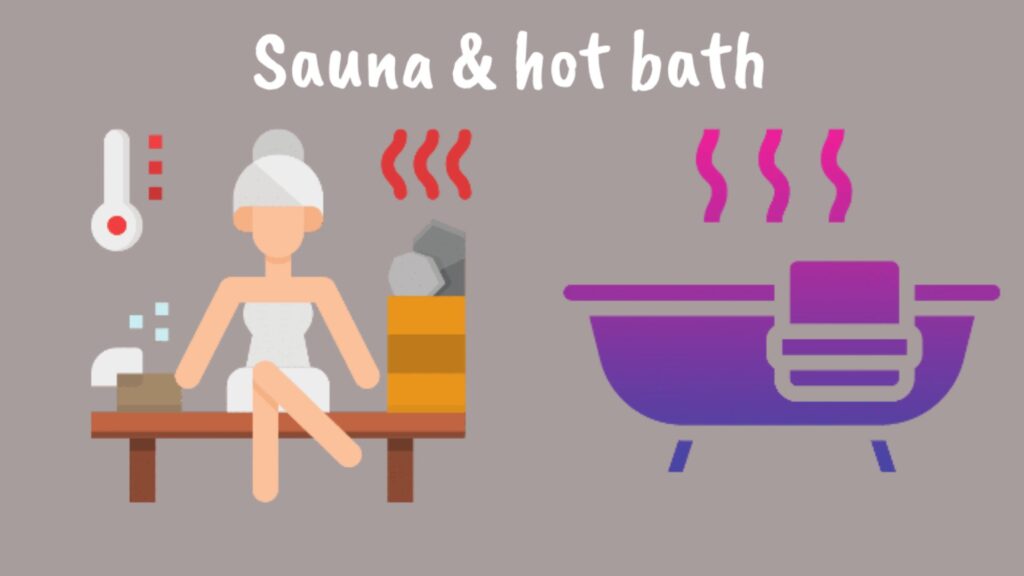
Warm bath
Hot shower or immersion bath with water of ~47⁰ C for 10 minutes improves performance. The heat dilates the blood vessels due to which oxygen and nutrient supply increase. It also eliminates metabolic wastes accumulated in the muscle.
Sauna
Sauna is a closed, heated chamber which mostly uses dry heat to increase the body temperature. In general, sauna increases cardiac output, left ventricular function, and increases blood flow through the body. It removes metabolic waste and decreases inflammatory markers in the circulation.
According to a study conducted in 2015, exposure to 75-82⁰ C temperature for 15 minutes improves blood flow, increases pain tolerance by releasing endogenous opioids like endorphins and dynorphins.
The muscles release a protein called heat shock protein, which decreases muscle viscosity and makes the connective tissue more pliable. In the event of muscle injury in the forthcoming sport event or exercise, this facilitates faster muscle recovery.
Active methods
The muscle temperature declines rapidly after passive warmup. Active methods involve actively moving the muscles. The metabolic changes are higher and long lasting.
General warm up
This involves non specific body movements. The movement may include one group of muscles / joints at a time (eg. arm and wrist ) or involve the whole body and all major joints ( squats, burpees, jumping jacks, jogging, skipping rope)
Specific warm up
Warming up specific body parts used in the subsequent sport or exercise. This warm up conditions the required neural pathways for better neuromuscular coordination.
Eg. Jogging as warm up before running, swings for golfers etc
Stretching
Static vs Dynamic stretching
Static stretches involves stretching and holding a single or group of muscles for a period of time (15 to 60seconds). The muscles, fascia, ligaments and tendons gradually lengthen. Passive stretching increases flexibility and strength but may not improve blood flow to the muscles adequately to increase the temperature.
Studies suggest doing dynamic stretching before active exercise or sports. Dynamic stretching involves moving a part of the body towards full range of motion and repeating the movement several times.
Controlled, active stretching of the muscle occurs.This increases the muscle and core temperature, activates stretch receptors and prepares the body better for explosive moments.
Sun salutations for warm up
Sun salutations involves series of sequential postures with synchronised breathing. It can be a dynamic stretching exercise as the muscles contract actively while holding a posture and during transition from one posture to another.
When the sequence is done in a moderate pace, (holding only 2 to 3 seconds between each posture) it becomes an aerobic exercise. The heart rate can raise up to 70% of your maximum heart rate.
Since it involves all major muscles (trunk muscles,upper and lower extremity muscles) and joints (wrist,shoulder,hip, knee and ankles) it swiftly increases the temperature. Also, the focus on breathing improves oxygen uptake.
Jumping rope
Jumping rope is an exercise which involves multiple groups of major muscles with synchronised arm and leg movements. It rapidly elevates the core temperature and muscle temperature. Not only that, there is more activation of the nervous system due to its rhythmic movement , coordinated eye movements and kinesthetic feedback from holding the rope.When done in a moderate speed, it can be a great head to toe warm up.
Take home
As a routine, warm up should include aerobic exercises, dynamic stretching and activity specific exercises. When done in this sequence, it increases the heart rate and circulation, increases core and muscle temperature and finally improves neuromuscular coordination.
Finally, warm up should be just adequate to energize and gather momentum and not be so intensive , depleting the energy levels.
References
Stretching anatomy Arnold G. Nelson, Jouko Kokkonen
Mueller-Wohlfahrt HW, Ueblacker P, Haensel L, editors. Muscle Injuries in Sports. New York: Thieme Medical Publishers, Incorporated; 2013.