
Vitamin D is not just about rickets, calcium and bone. It is actually a steroid hormone responsible for our mental and physical well being.
We get Vitamin D from diet and our skin makes it when ultraviolet B rays of the sun falls on our skin. Lets explore its role in our body, deficiency levels and whether or not we require supplements.
Role of Vitamin D in our body
Studies show vitamin D acts by binding to vitamin D receptors present in the nucleus of cells. And Vitamin D receptors are present virtually in all tissues of our body and influences more than 900 genes in our body.
Calcium and bone
Vitamin D3 helps in reabsorption of calcium in the Kidneys and helps in absorption of calcium and phosphate from the intestine.
Calcium plays a very significant role in cardiac and skeletal muscle contraction, nerve impulse transmission, blood clotting and acts as a intracellular signalling molecule.
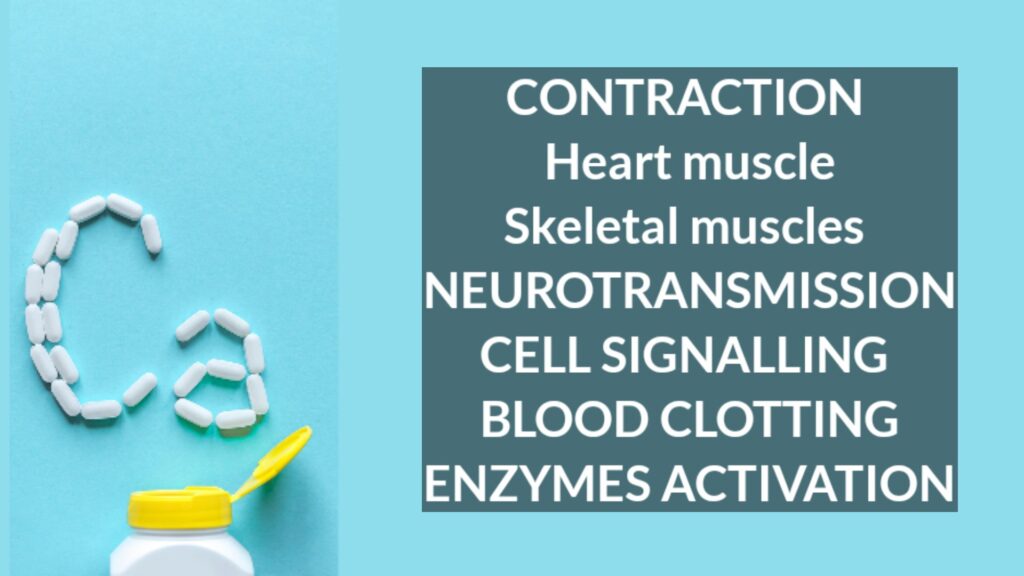
In the brain it plays a very significant role by improving memory, metabolism and cell growth. It is critically important for neurotransmitter release and is present in every neuron as an intracellular messenger. So calcium is practically an engine on which the brain runs.
Since calcium is such an important mineral, the body tries to maintain the blood calcium levels at any cost. Bones are storage sites of calcium . Whenever the blood calcium level falls, calcium is released from the bones to stabilize the blood levels.
When our diet consistently lacks Vitamin D or when our body does not produce enough of it, calcium absorption does not occur even if we have adequate calcium in our diet.
Ultimately the body is dependent on the bones for calcium. Long term usage of calcium from the bones results in weak bones. Initially it causes decrease in bone mineral density and then gradually progresses to conditions like rickets (softening of bones in children), osteomalacia and osteoporosis. Weak bones increase the risk of bone pain and fracture .
Pain and vitamin D
Vitamin D is not an analgesic. However, low levels of vitamin D is related to chronic pain. Vitamin D decreases pain by its anti-inflammatory property. It reduces the release of inflammatory cytokines and prostaglandinE2 in particular. Prostaglandin E2 is a potential mediator of inflammation and pain. Ginger and turmeric also contain compounds that down regulate prostaglandin E2.
Vit D is now considered as a neuro steroid hormone which regulate brain function and decreases pain perception. In addition, it significantly improves quality of sleep, musculoskeletal performance and has an antidepressant effect.
Lack of sleep and depression are usual coexisting conditions with chronic pain.When these factors improve due to increased vit D levels, pain also decreases substantially.
Cardiovascular system
Vitamin D receptors are present in cardiac cells and in the lining cells of blood vessels. Vitamin D binds to the receptors and triggers genes involved in the regulation of cardiac function. It maintains the structure of the heart intact by controlling cardiac muscle hypertrophy and fibrosis. Not only that, it also regulates blood pressure, prevents atherosclerosis and coronary artery disease.
Vitamin D and immunity
The immune system protects our body from toxins, invading micro organisms etc . At the same time, it takes care not to harm our own cells. When our immunity goes down, infection and many chronic diseases occur. On the other hand,when the immune system goes overboard, auto immune diseases occur. (like multiple sclerosis, rheumatoid arthritis, inflammatory bowel disease and systemic lupus erythematosus )
The immune cells (B cells, T cells and antigen presenting cells) synthesize their own active vitamin D metabolite to modulate the innate and adaptive immunity. Deficiency of vit D is related to increased susceptibility to autoimmune disease as well as infection.
Musculoskeletal system
Vitamin D levels affect muscle strength , size and muscle performance.
Deficiency results in degeneration of muscle fibres, enlargement of gaps between muscle fibres and fibrosis (felt like knots) of surrounding tissue. In addition to this , nerve hypersensitivity is also present. All these factors trigger widespread and frequent pain.
This should explain why many develop muscle pain for no apparent reason or with just mild exertion.
Elderly adults suffer from weakening of the faster and stronger proximal muscles due to vitamin D deficiency. These muscles are closer to the body and are involved in movement.
They are the shoulder muscles, upper arm muscles, hip muscles, gluteus muscles and leg muscles above the knee joint. When these muscles are weak, a person has difficulty standing up, climbing stairs, walking and can experience frequent falls.
Older adults (>40 years) are at increased risk of developing sarcopenia (age related loss of muscle mass and strength).Vitamin D deficiency aggravates the condition.
Studies show people suffering from frequent muscular pain, fatigue along with headache have very low levels of Vitamin D.
If you are a person who is suffering from frequent and unexplained muscle pain,
- Protein rich nutritious food
- Adequate hydration
- Muscle strengthening exercises to regain the lost strength
- Optimal levels of vitamin D
are the four factors which can help you overcome it.
Vitamin D and the brain
Early brain development
Vitamin D plays a role in early brain development. Pregnant mother`s vitamin D level is very crucial for the baby’s brain development. It enhances learning, memory and emotional development. Deficiency of vitamin D may lead to development of Autism and schizophrenia later in life.
Not only that, deficiency of vitamin D increases the risk of preeclampsia in pregnant mothers (pre-eclampsia is a high-risk condition for both mother and foetus)

Protection of adult brain
In the brain it acts as an anti inflammatory, antioxidant and as a neurosteroid that modulates the activity of neurons. Vitamin D influences the levels of crucial neurotransmitters like dopamine, serotonin and nor adrenaline. In addition to this, it plays a role in preventing memory loss, depression, Alzheimer’s and Parkinson’s disease.
Respiratory system
Most respiratory infections like common cold, influenza and tuberculosis commonly affect children, the elderly and people with low immunity. Vitamin D has immunity enhancing and antimicrobial properties. It reduces the risk of infection by increasing the production of antimicrobial peptides like cathelcidin and defensins.
Vitamin D and COVID 19
Many respiratory infections like COVID19 cause acute lung injury leading to severe acute respiratory distress syndrome (SARS) .
Many recent studies have shown Vitamin D deficiency leads to uncontrolled inflammation resulting in lung cell damage,, prolonged illness and even death.
Vitamin D decreases pro inflammatory cytokines and prevents cytokine storm. This contains damage to the lung cells and helps in quick recovery.
It also increases the natural cellular immunity and protects the natural barrier formed by the lining cells of the lungs. This prevents the entry of viruses into the lung cells in the first place.
Vitamin D’s role in musculoskeletal health also helps during lung infection .The health of primary and accessory muscles of respiration play a role in easing the breathing process.
Diabetes
Vitamin D decreases the risk of developing both Type 1 and type 2 diabetes. It improves beta cell function (cells of pancreas which secrete insulin), decreases insulin resistance and controls systemic inflammation.
Dental health
Vitamin D level is crucial for mineralization of teeth. Milk teeth mineralization happens before birth, in the uterus and mineralization of permanent teeth occurs during early and late childhood.
Vitamin D deficiency during pregnancy and childhood can cause hypomineralization of teeth due to defective calcium homeostasis.
Periodontitis is the inflammation and subsequent destruction of the supporting structures of teeth namely, the gums, periodontal ligament (that connects bone and the tooth) and the surrounding bone. This can lead to loosening and ultimately loss of teeth.
Sufficient vitamin D levels decrease inflammation and counter the bacteria that cause periodontitis.
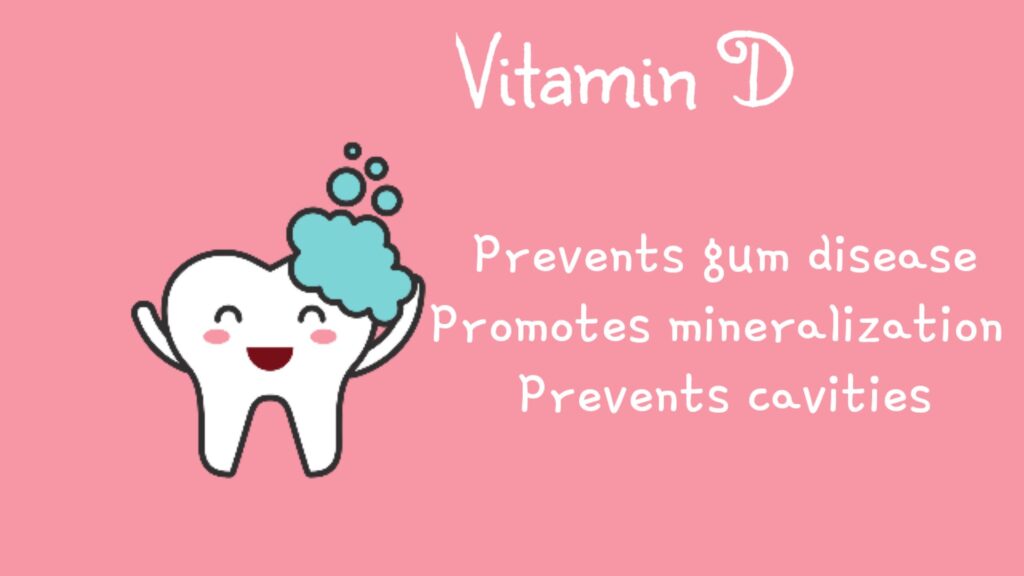
Studies have correlated high occurrence of cavities in both adults and children with severe vitamin D deficiency .
Adequate levels of vitamin D is associated with healthy teeth and supporting structures. This may be due to vitamin D mediated immune regulation and increased secretion of antimicrobial peptides in the saliva .
skin health
Vitamin D also protects the skin and prevents hair loss. It plays a role in skin cell differentiation and proliferation, increases the immune response of the skin . It protects against bacteria, helps in reducing inflammation and prevents photo damage.
Cancer prevention
Vitamin D plays a role in preventing lung, prostrate, breast , pancreas and colon cancer.
- Inhibits carcinogenesis in the first place
- Slows progression of cancer
- Reduces its invasive potential
- Promotes cell differentiation (poorly differentiated cancer cells have poor prognosis)
- Inhibits proliferation of cancer cells
- Promotes apoptosis (death of abnormal cells)
- Prevents angiogenesis (formation of new blood vessels around the tumor to supply nutrition to the cancer cells)
Recommended vitamin D daily dosage
| 0-12 months | 10 mcg | 400 IU |
| 1 – 70 years | 15 mcg | 600 IU |
| >70 years | 20 mcg | 800 |
Blood levels
| Severe deficiency | <10 ng/mL |
| Mild to moderate deficiency | 10- 24 ng/mL |
| Optimal | 25 – 80 ng/mL |
| Toxicity | > 80 ng/ |
Supplements
Who should take supplements?
- People who are unable to go out in the sun due to old age or physical inability.
- Those with liver disorders and chronic kidney diseases.
- People suffering from gastrointestinal disturbances like malabsorption syndrome, irritable bowel syndrome and inflammatory bowel disorders.
- Those who cannot get sun exposure at the right time due to their occupation.
- People living in countries above and below 33 degree latitude during winter.
- Ethnic origin people living in temperate zone countries
- Individuals diagnosed with severe deficiency.
- Obese individuals may require relatively higher doses .
Which is good? Large doses or smaller regular doses?
Studies suggest short term bolus (50000, 100000 IU) doses improve calcium deposits in bone. Bolus doses are given to optimize the levels in severely deficient cases. Thereafter, longterm everyday dosage (not more than 4000 IU) is more beneficial for improving immunity, regulating mood, preventing cancer and stabilizing musculoskeletal health.
More than 4000 IU per day may lead to toxicity although, it is rare. Acute toxicity symptoms are hypercalcemia, muscle weakness, headaches, bone pain, nausea, vomiting, irritability, anorexia.
Chronic toxicity symptoms also include the above symptoms and constipation, kidney stones, hypertension, kidney failure, abdominal cramps, and cardiac arrhythmias.
Supplements vs skin synthesis
Only 60% of vitamin D ingested orally binds to the vitamin D binding protein. On the other hand, 100% of vitamin D produced in the skin binds to the vitamin D binding protein and hence the bioavailability is much more.
Take home
With all the above mentioned benefits, there is no reason why we should remain deficient in Vitamin D. Sun is free and supplements are inexpensive.
Human life follows the circadian rhythm and exposure to sunlight is a natural phenomenon. Sun is not a demon and we are not nocturnal after all!
Getting vitamin D from sun is more special with added benefits. Let’s go out and make our share of Vitamin D everyday from the sun with sensible exposure.
References
- Wintermeyer E, Ihle C, Ehnert S, et al. Crucial Role of Vitamin D in the Musculoskeletal System. Nutrients. 2016;8(6):319.
- Shipton EA, Shipton EE. Vitamin D and Pain: Vitamin D and Its Role in the Aetiology and Maintenance of Chronic Pain States and Associated Comorbidities. Pain Research and Treatment 2015;2015.
- Kennel KA, Drake MT, Hurley DL. Vitamin D deficiency in adults: when to test and how to treat. Mayo Clin Proc. 2010;85(8):752-758.