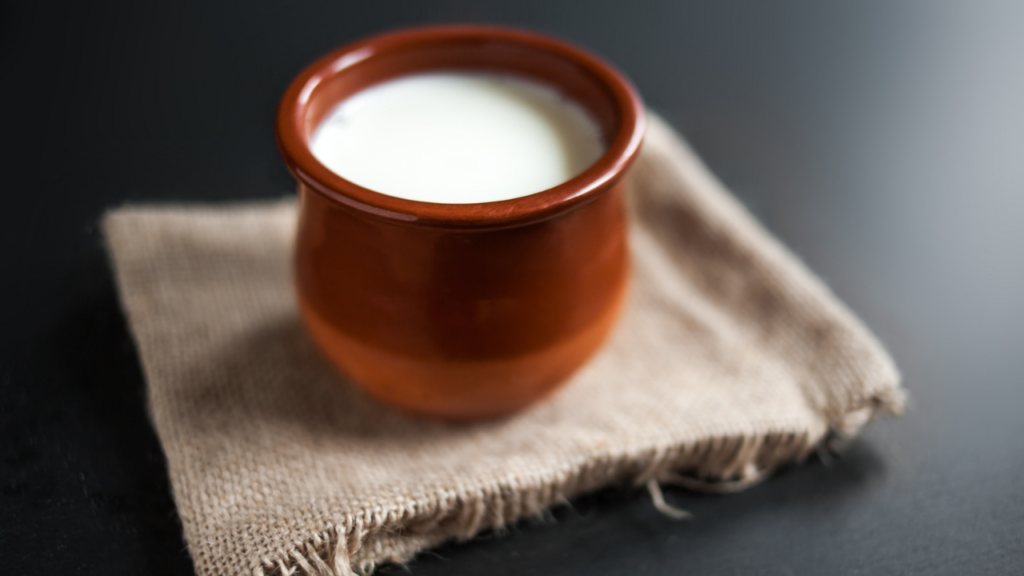
Are curd and yogurt super good foods? What is the difference between the two? Lets explore the health benefits and ayurvedic perspective of curd.
CURD
Curd is a staple food in the Indian sub continent. You will rarely come across an Indian who doesn’t like curd. It is taken as curd rice, buttermilk or lassi depending on one’s personal choice.
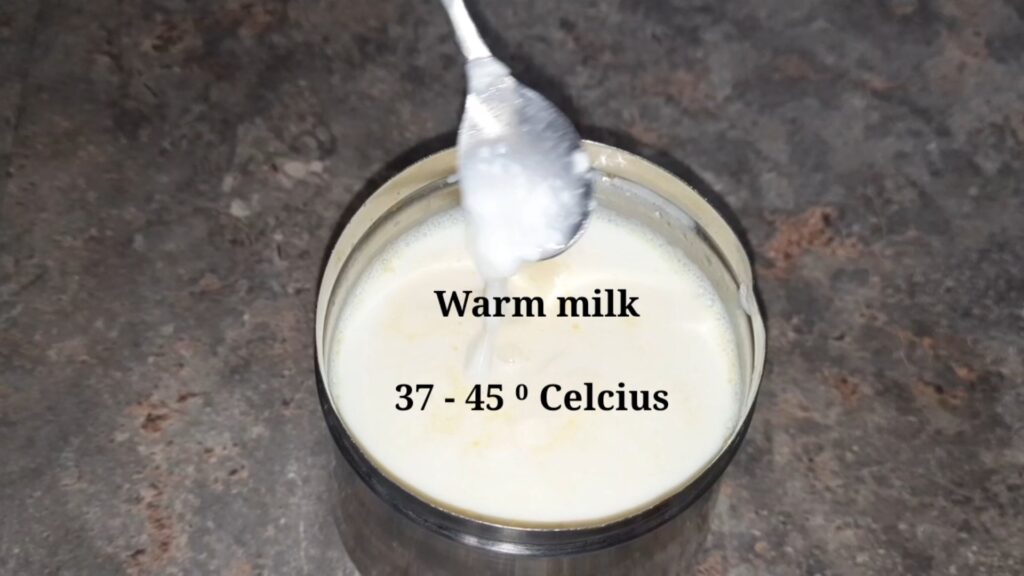
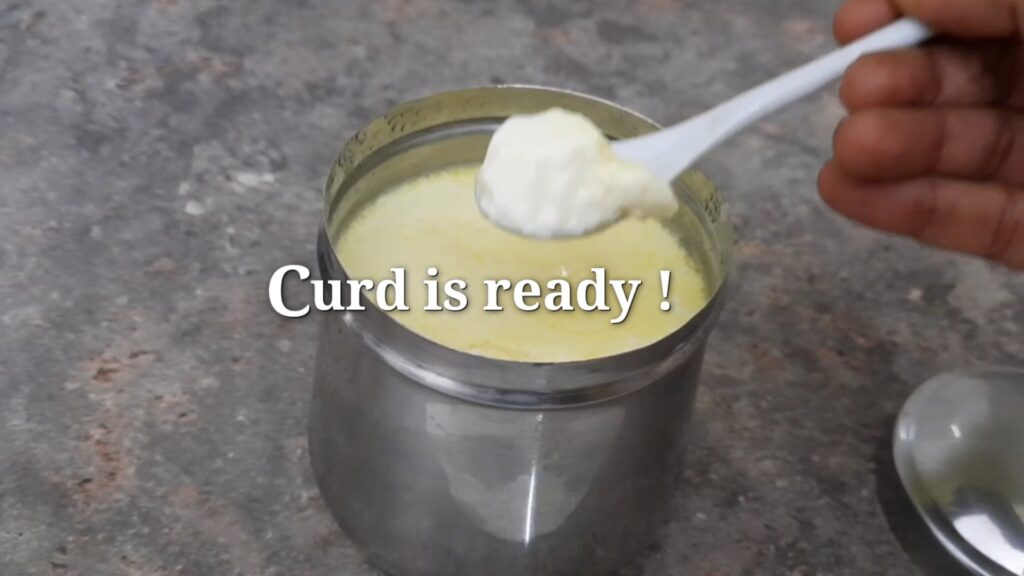
Almost every household in India prepares curd on a daily basis. It is prepared by adding little previously made curd(starter) to warm milk . The Lactobacillus bacteria in the starter begins the fermentation process. It is then let to set for few hours. After few hours the curd is ready to consume.

The fermentation process
Curd is produced by a process called fermentation. The two components of milk that take part in curd formation are the sugar and protein present in milk. Lactose is the sugar and casein is the milk protein. When bacteria act on lactose , it undergoes fermentation producing lactic acid . The lactic acid decreases the pH and clumps the protein molecules in the milk together. This is how the liquid milk becomes semisolid curd or yoghurt.
YOGURT
Yoghurt is a Turkish term which means thick sour milk. Like curd, yogurt is made in the households of western countries by fermenting milk.The strains of bacteria in yogurt may vary from the Indian curd due to climatic and geographic difference.
Yogurt has been in European and Eurasian cuisine for millenniums .Yogurt is the term now commonly used all over the world for fermented milk.
STORE BOUGHT YOGURT
Two specific strains of bacteria, namely , Streptococcus thermophilus and Lactobacillus bulgaricus are used for fermentation in commercially made yogurt.They may also contain preservatives, sweeteners and flavours.
GREEK YOGURT
Greek yogurt is the thicker version of yogurt. It is made by straining the liquid from yogurt. It is creamier and richer to taste.
Are they superfood?
Curd/ yogurt is a good source of protein , calcium and a moderate source of Vitamin B 12 and magnesium. Apart from these they are a very important dietary source of probiotic bacteria.

Good Vs Bad bacteria
Probiotics are friendly gut bacteria that contribute to our health. They work on the principle good outnumbering the bad .They multiply in the gut and do not allow bad bacteria to grow.
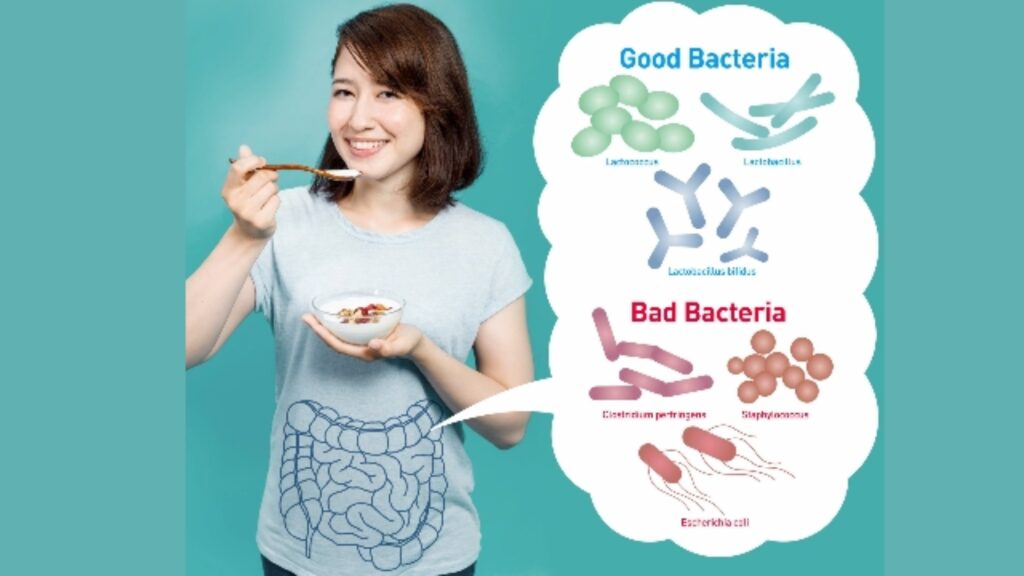
Any probiotic bacteria , to reach the gut , where they are going to stay , have to pass through two danger zones . One is the gastric juice which is strongly acidic and the next is the strong alkaline pH of bile salts in the small intestine.
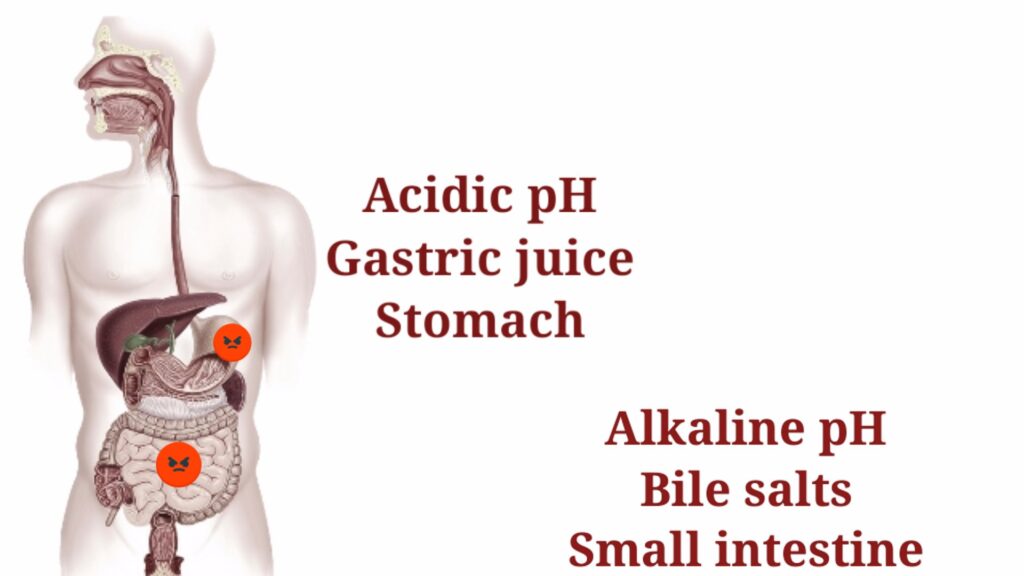
Research has confirmed that many bacteria present in curd like Lactobacillus fermentum Lactobacillus casei and Lactobacillus acidophilus can thrive in these areas and enter the colon safely.
The Lactobacillus bacteria produce lactic acid and decrease the gut pH. Many disease causing bacteria do not survive this pH and will not be able multiply.
Also, they produce a substance called bacteriocin .This is toxic to many bacteria. Moreover, they competitively adhere to the intestinal mucosa, not giving opportunity for other bacteria to flourish.This is how probiotic bacteria maintain the balance between good and bad bacteria.
Boost immunity
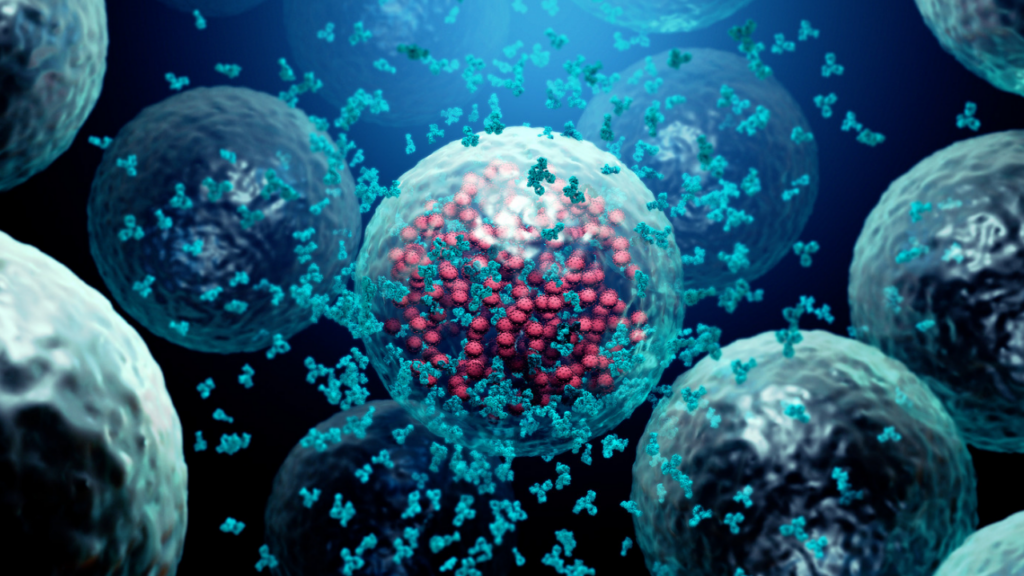
They boost our immunity by interacting with the immune cells and produce various chemical messengers to activate the immune system.
Regulate blood cholesterol
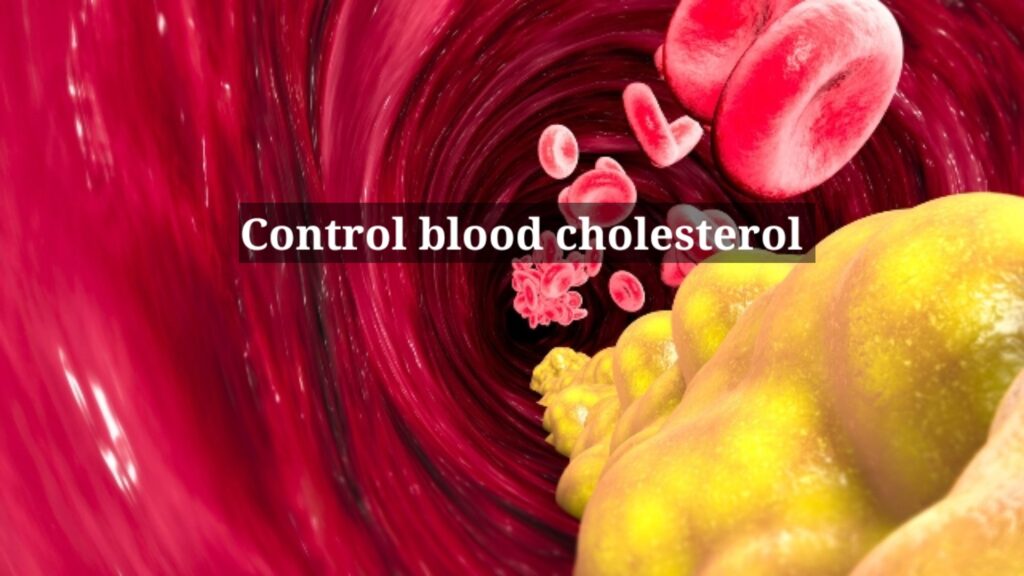
These bacteria help in controlling blood cholesterol levels and increase HDL Cholesterol.
Vitamin synthesis
They also produce many B complex vitamins such as biotin, cobalamine, folate, nicotinic acid, pantothenic acid, pyridoxine, riboflavin, thiamine and vitamin K in our gut .
Prevent leaky gut
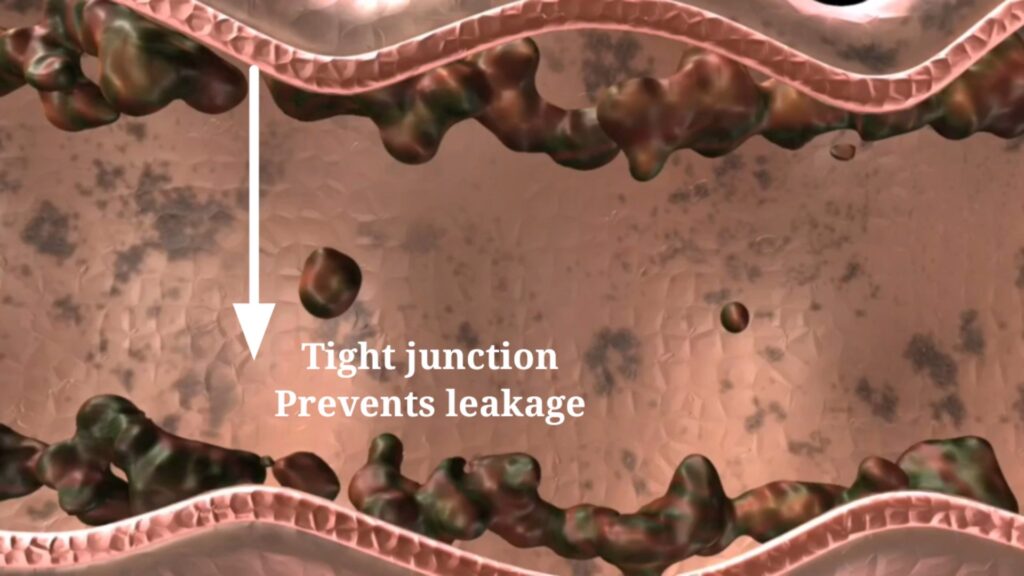
The lining cells of our intestine are closely attached to each other. This prevents bacteria and toxins entering the blood circulation . Leaky gut is a condition in which the tight junction between the intestinal cells is not present .This results in intestinal toxins and bad bacteria entering the blood . Lactobacillus bacteria a express tight junction proteins in the intestinal lining cells . These proteins close the gap between cells and make it leak proof.
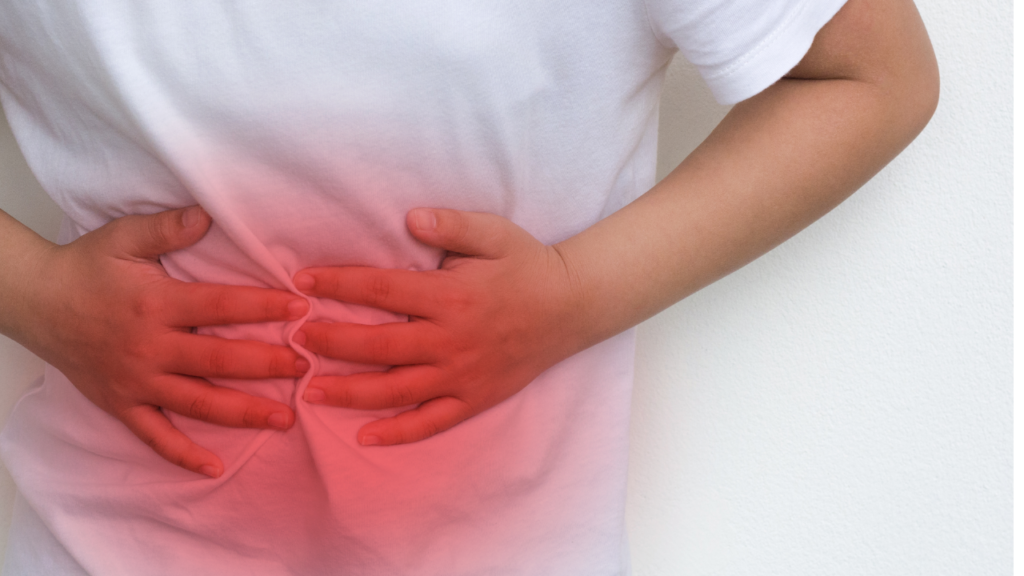
These bacteria also play a role in preventing
- Irritable bowel syndrome
- Inflammation of the gut
- Antibiotic induced diarrhoea
- Cancer
- Allergies

How to eat?
It is best to consume curd fresh , at room temperature .The bacteria are metabolically active at 37 – 45 ⁰ celcius.
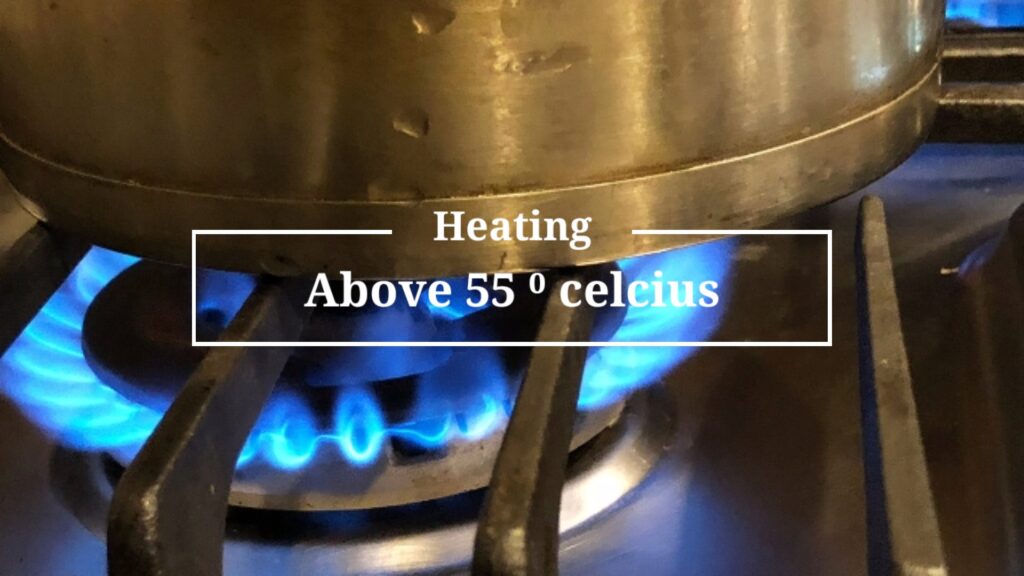
When cooled to low temperatures, the bacteria become dormant or inactive. They become active once the temperature increases above 30 ⁰ celcius . Heating curd above 55 ⁰ celcius kills the bacteria. The curd loses its probiotic quality.

Ayurvedic perspective of curd
- Ayurveda recommends eating fresh, well set , sweet curd which has not turned sour.
- It improves taste and is an appetizer.
- It improves strength and immunity
Ayurveda does not recommend eating curd during night as it is heavy to digest and can increases mucus secretion. when curd is fermented for too long , it turns sour. Sour curd is hot in potency and one should not eat sour curd if symptoms of hyper acidity and inflammation are present.
The takeaway
Curd/yogurt is a nutritious , probiotic food with science – backed benefits . It is a comfort food and a staple across the Indian sub continent. It is best to have homemade curd or yogurt , which is really easy to make. Fresh curd or yogurt by itself is sweet and has a warm flavour without any added sweeteners , flavours and preservatives. Make sure to include it in your daily diet!